Vaping Safety and Regulations in Canada

Navigating the world of vaping safety and regulations in Canada can feel overwhelming, with rules varying by province and evolving as new health data emerge. Whether you’re a newcomer to vaping or a seasoned enthusiast, understanding the regulatory landscape, practising safe vaping habits, and making informed product choices is essential for a worry-free experience. This comprehensive guide covers everything you need to know about Canadian vaping regulations, essential safety measures, tips for avoiding counterfeit products, health-conscious practices, and current industry trends.
Understanding Canadian Vaping Regulations
Canada’s approach to vaping regulation is designed to protect public health, particularly for young people, while allowing adults access to vaping as a less harmful alternative to smoking. The federal Tobacco and Vaping Products Act provides the foundation, while provinces and territories add their own specific rules.
Product Labelling and Packaging
The Vaping Products Labelling and Packaging Regulations require all vaping products to meet specific requirements, including labelling in accordance with the Tobacco and Vaping Products Act, child-resistant packaging, and compliance with maximum nicotine concentration requirements under the Canada Consumer Product Safety Act.
Products Promotion
The Vaping Products Promotion Regulations establish strict advertising guidelines. It is prohibited to promote vaping products or brands via advertising that young persons can notice. Advertising in publications such as product brochures is only permitted when requested by adults at retail establishments. Visual advertising at the point of sale is allowed only as signage indicating price and availability. Health warnings in advertisements are required except for products authorised under the Food and Drugs Act.
Nicotine Concentration Limits
The Nicotine Concentration in Vaping Products Regulations establish a maximum nicotine strength of 20mg/mL for products manufactured or imported for sale in Canada. Selling vaping products with packaging displaying more than this concentration is prohibited.
Manufacturer Reporting Requirements
Vaping product manufacturers and importers must provide Health Canada with sales reports, ingredients reports, supplemental ingredients reports, and notifications of any changes to product ingredients over time.
Age Restrictions Across Canada
The minimum age to purchase vaping products varies across Canadian provinces and territories. Selling vaping products to anyone under the age of 18 is prohibited federally, though most provinces have set higher age limits.
Provincial and Territorial Age Limits
Minimum Age 18: Alberta, Manitoba, Quebec, Saskatchewan
Minimum Age 19: British Columbia, New Brunswick, Newfoundland and Labrador, Nova Scotia, Ontario, Northwest Territories, Yukon Territory, Nunavut
Minimum Age 21: Prince Edward Island
Flavour Restrictions
Flavoured vape products are banned in Prince Edward Island, Nova Scotia, and New Brunswick, with the exception of tobacco-flavoured products.
Essential Safety Practices for Vapers
Practising safe vaping is essential to minimise risks and ensure a positive experience. Following these guidelines will help protect both you and your device.
Battery Care and Maintenance
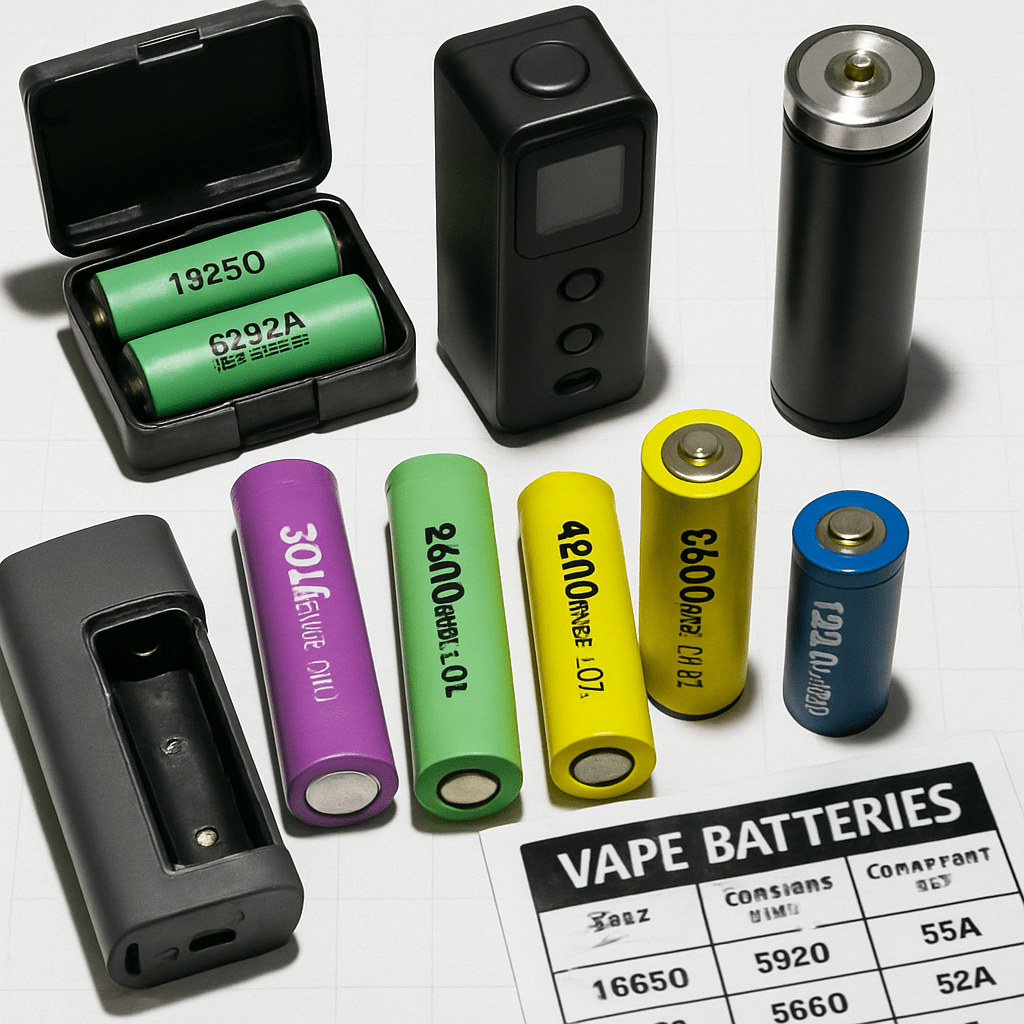
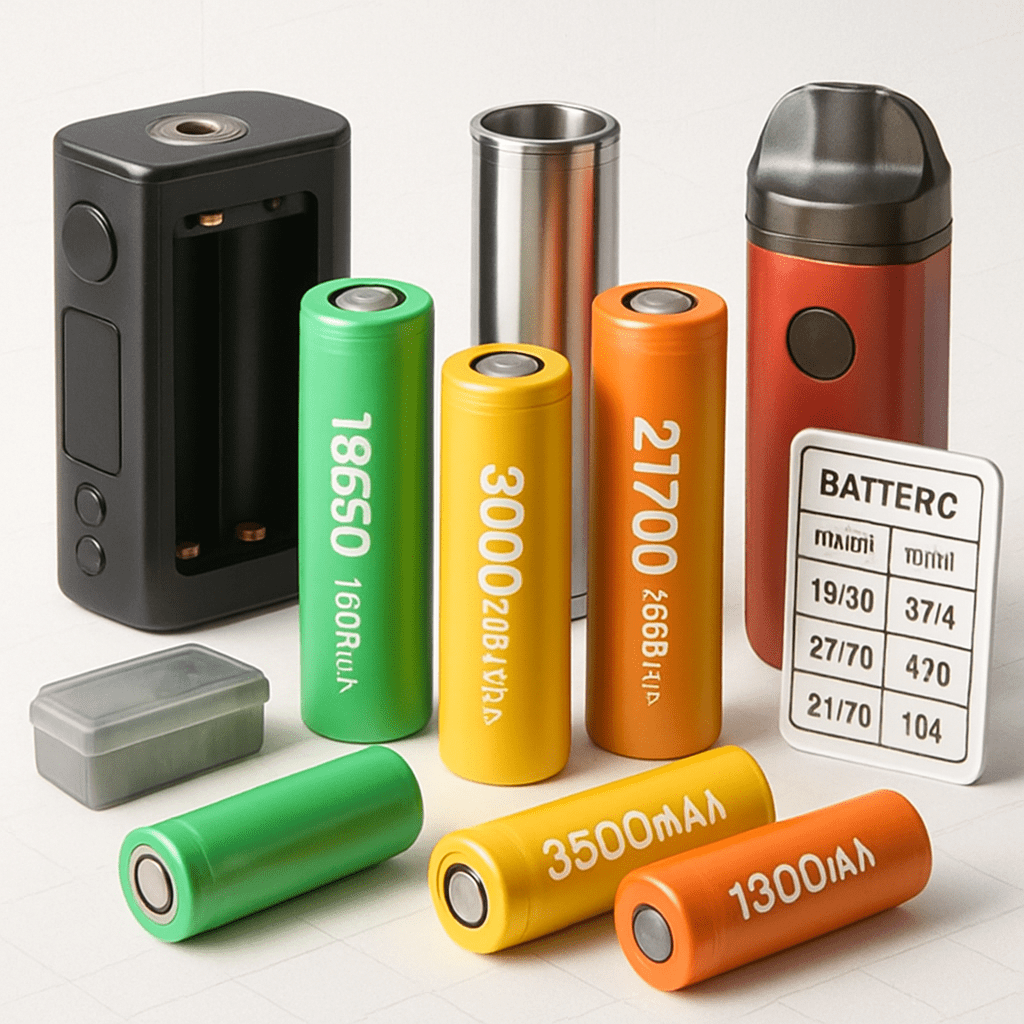
Taking good care of your batteries and cleaning them regularly helps them last a long time, prevents spillage or leakage, and lets you enjoy your favourite e-juices safely. Proper storage and handling can prevent accidents such as battery explosions. Use child-resistant packaging, store devices away from direct sunlight, and use them as directed by the manufacturer.
E-Liquid Safety
All vapers can experience e-liquid spills. If you face this issue, wash off spills from your hands immediately. Leaving e-juices on your skin can cause vomiting, dizziness, and nausea. Opt for products with transparent ingredient listings and avoid those containing harmful compounds like vitamin E acetate.
Device Care
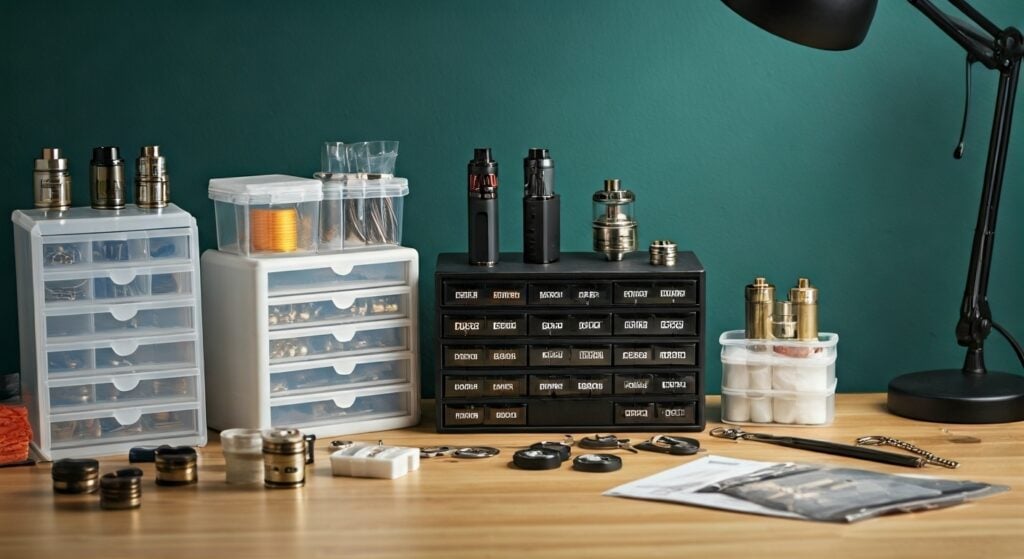
Your vape mods or pens can overheat over time, particularly from chain vaping. This can damage lithium-ion batteries and cause e-liquid to leak. E-liquid contains nicotine, which is toxic if it contacts skin or is ingested. In cases of battery failure, leaking electrolytes can also cause chemical burns. Don’t overheat your device by giving regular intervals between puffs and avoiding chain vaping. Regular maintenance, such as cleaning the device and replacing coils or pods, ensures optimal performance and reduces the risk of malfunction. Follow all instructions that come with your device when using it.
Hydration and Nicotine Management
Drink plenty of water before and during vaping, as vaping can remove significant moisture from your body. Dehydration can lead to various health problems, so staying hydrated is wise for all vapers. Keep an eye on your nicotine consumption and take it slow, as sometimes you might not realise how much you’ve vaped. Consider lower nicotine options to reduce addiction risk.
Seeking Help
If you run into any issues with vaping, don’t hesitate to ask for help. You can ask experienced vaping friends or the team at a reputable vape shop to help you solve any problems.
Avoiding Counterfeit and Unsafe Products
Counterfeit vaping products pose significant health and safety risks. Following these guidelines will help ensure you purchase authentic, safe products.
Purchase from Reputable Sources
Buy directly from manufacturer websites or authorised dealers whenever possible. Choose well-established vape shops with good reputations. Look for authentication features on packaging, such as QR codes, holograms, or serial numbers that can be verified on manufacturer websites.
Research Before Buying
Familiarise yourself with product features, typical packaging, and price ranges to help identify inconsistencies. Read reviews and testimonials from other users on independent forums or review sites. Verify seller credibility through ratings and customer feedback.
Price Awareness
Be wary of deals that seem too good to be true. Exercise caution when purchasing products sold at significantly lower prices than those from official sources. Be sceptical of bulk deals or liquidation sales from unknown sources.
Inspect Products Carefully
Check for high-quality packaging with clear, legible text and no spelling errors. Look for signs of tampering, poor quality, misaligned labels, or missing security seals. Compare products with authentic items when possible, checking for discrepancies in colour, weight, font sizes, and material quality.
Verify Regulatory Compliance
Look for marks indicating regulatory compliance, such as Health Canada warnings. Authentic vaping products sold in Canada must carry required health warning labels. The absence of such labels could indicate a counterfeit or non-compliant product.
Stay Informed About Recalls
Monitor Health Canada and other regulatory bodies for safety alerts and recalls. Check their websites regularly or subscribe to alert services for the latest information.
Use Secure Payment Methods
Use credit cards or PayPal for online purchases, as they often offer buyer protection against fraud. This provides a safety net if you accidentally purchase a counterfeit product.
Health-Conscious Vaping Practices
Making health-conscious choices means being selective about the products you use, from device type to e-liquid ingredients, aiming to minimise potential health risks.
E-Liquid Ingredients to Know
Being informed about common e-liquid ingredients and their potential health impacts is crucial. The main ingredients include propylene glycol (PG), vegetable glycerin (VG), flavourings, and nicotine. Understanding what you’re inhaling helps you make better health choices.
Reducing Risks
To further minimise risks, consider reducing your vaping frequency, using devices with adjustable power settings to control vapour intake, and staying informed about the latest health research related to vaping. Consult healthcare providers if you experience any symptoms related to vaping.
Understanding Health Implications
While vaping is less harmful than smoking, it is not without risk. Potential health concerns include nicotine addiction, lung injury from certain ingredients, and cardiovascular effects. The long-term effects are still being studied, making it important for users to stay informed and cautious.
Vaping Trends in Canada
Understanding current market trends helps you make informed choices about products and practices.
Salt Nicotine Popularity
The Canadian vaping landscape is characterised by a growing preference for salt nicotine e-liquids due to their smoother throat hit and faster nicotine absorption. This makes them appealing to individuals looking for an effective smoking cessation tool.
Pod System Preferences
There’s a notable shift towards more compact, user-friendly pod systems, which offer convenience and portability for everyday use. These devices balance simplicity with functionality.
Innovation and Technology
Looking ahead, expect to see further innovations in device technology, such as longer battery life, more efficient heating systems, improved safety features, and more sophisticated flavour profiles. The market may also witness an expansion in health-focused vaping products, including those with reduced nicotine options.
Regulatory Evolution
As vaping technology evolves and consumer preferences change, regulatory bodies in Canada will need to adapt to ensure new products and trends do not compromise user safety. This might involve updating standards for device safety, ingredient transparency, and marketing practices.
Harm Reduction Strategies
Harm reduction in vaping revolves around strategies and practices aimed at minimising negative health impacts, acknowledging that while not risk-free, vaping is a less harmful alternative to smoking cigarettes.
Key Strategies
Choose lower nicotine strengths to avoid high levels of dependence. Opt for devices with safety certifications and adjustable settings. Avoid DIY mixing of e-liquids or modifying devices, which can introduce risks. Use vaping primarily as a means to quit smoking rather than as a long-term habit.
Monitoring Your Health
Monitor your health for any changes or symptoms related to vaping and seek medical advice promptly. This proactive approach helps identify and address health issues early.
Staying Informed About Policy Changes
To stay current on changing vaping policies, regularly visit the Government of Canada’s Health Canada website. Keep an eye on news sources for any changes to vaping policies across the country. Compliance with Canadian vaping regulations is not just a legal requirement but a critical component of safe vaping practices.
Visit Majestic Vapes
At Majestic Vapes, we prioritise your safety and satisfaction, offering premium vaping products that meet the highest standards of quality and safety. Our commitment to customer education means you’ll always find support for your safe vaping journey.
Shop Our Products
Contact Us for expert advice on safe vaping practices and quality products.