How to Choose Vape Batteries That Match Your Device and Budget

Walk into any vape shop and ask about batteries. You’ll get bombarded with numbers, letters, and technical specs that sound like alphabet soup. 18650, 21700, CDR, mAh, it’s enough to make your head spin.
Here’s the thing about vape batteries: getting them wrong costs money. Worse, it can be dangerous. People commonly buy the wrong batteries for their mods three times before getting it right, wasting around $40-60 CAD each time. Others cheap out and end up with counterfeits that die in 6-8 weeks instead of lasting the expected timeframe.
Maybe current batteries aren’t lasting as long as they should, draining in half the time they used to. Or it’s time to upgrade devices with no clue which batteries to buy. Perhaps horror stories about battery failures (thermal runaway, venting, even fires) have raised legitimate safety concerns.
This matters more in Canada than elsewhere. Winter temperatures create unique challenges for battery performance and safety. Counterfeits flood online marketplaces. Local regulations affect what’s available. Understanding these factors prevents expensive mistakes and safety risks.
Shop now in the #1 Online Vape Shop in Canada
We Ship Anywhere in Canada Including Quebec
This guide cuts through the confusion. You’ll learn which batteries work with specific devices, how to spot fakes, and what actually matters for safety. Canadian-specific considerations get full coverage, including winter performance, local recycling options in the GTA, and where to find authentic products.
Skip the trial-and-error approach. Let’s get sorted with batteries that work for specific setups and budgets.
Disclaimer: Battery specifications, availability, and regulations change frequently. All information is based on available 2025 data and should be verified with current sources before making battery purchases. Battery performance claims may vary based on usage patterns and device specifications.
Understanding Different Battery Types for Your Vaping Style
First decision: built-in or removable batteries. This choice shapes everything else about the vaping experience, runtime, replacement costs, portability, and flexibility.
Built-in batteries are sealed inside devices. Charge them with a USB cable (increasingly USB-C, which delivers 15-18W versus the old 5-10W of micro-USB) and replace the whole unit when the battery degrades. Simple. Convenient. Perfect for people new to vaping or those who just want something that works without fuss. Most built-in batteries range from 500 mAh to 1,500 mAh, translating to roughly 300-600 puffs or one day of moderate vaping.
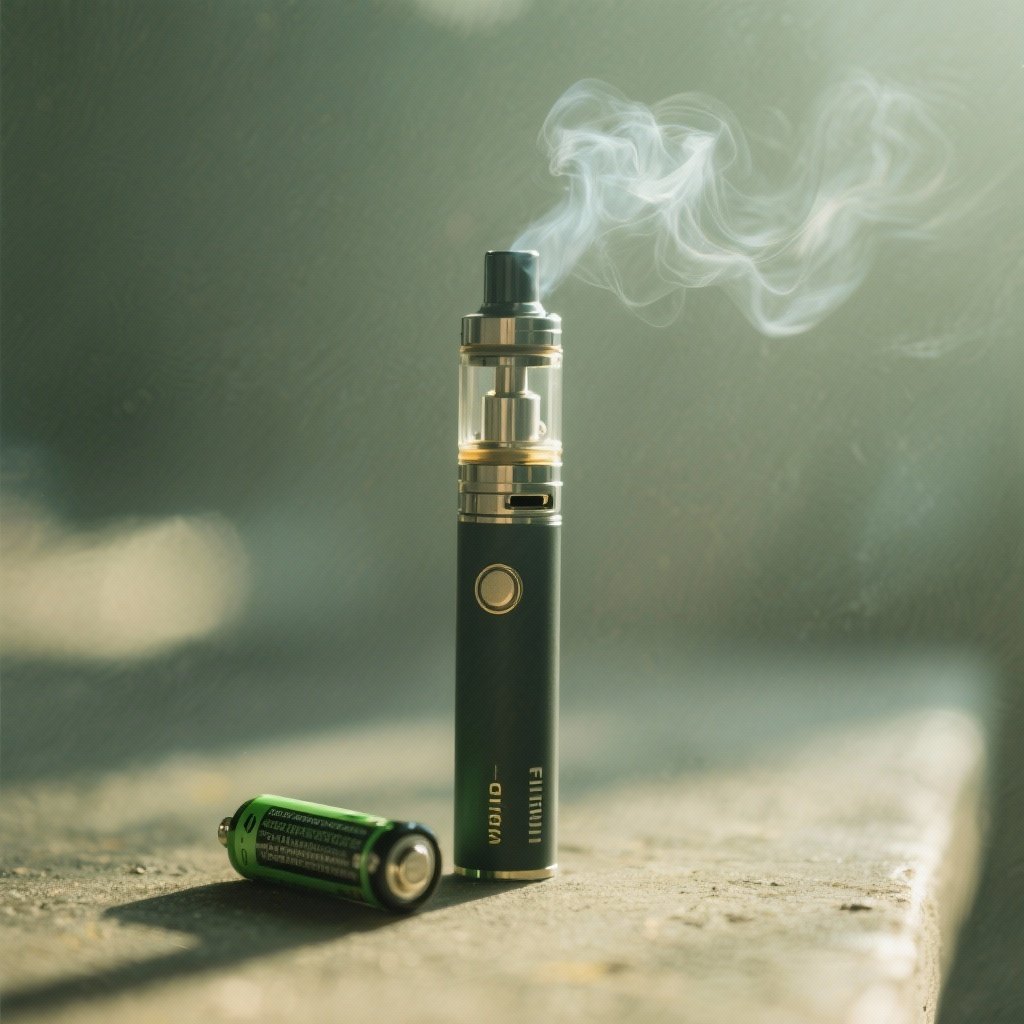
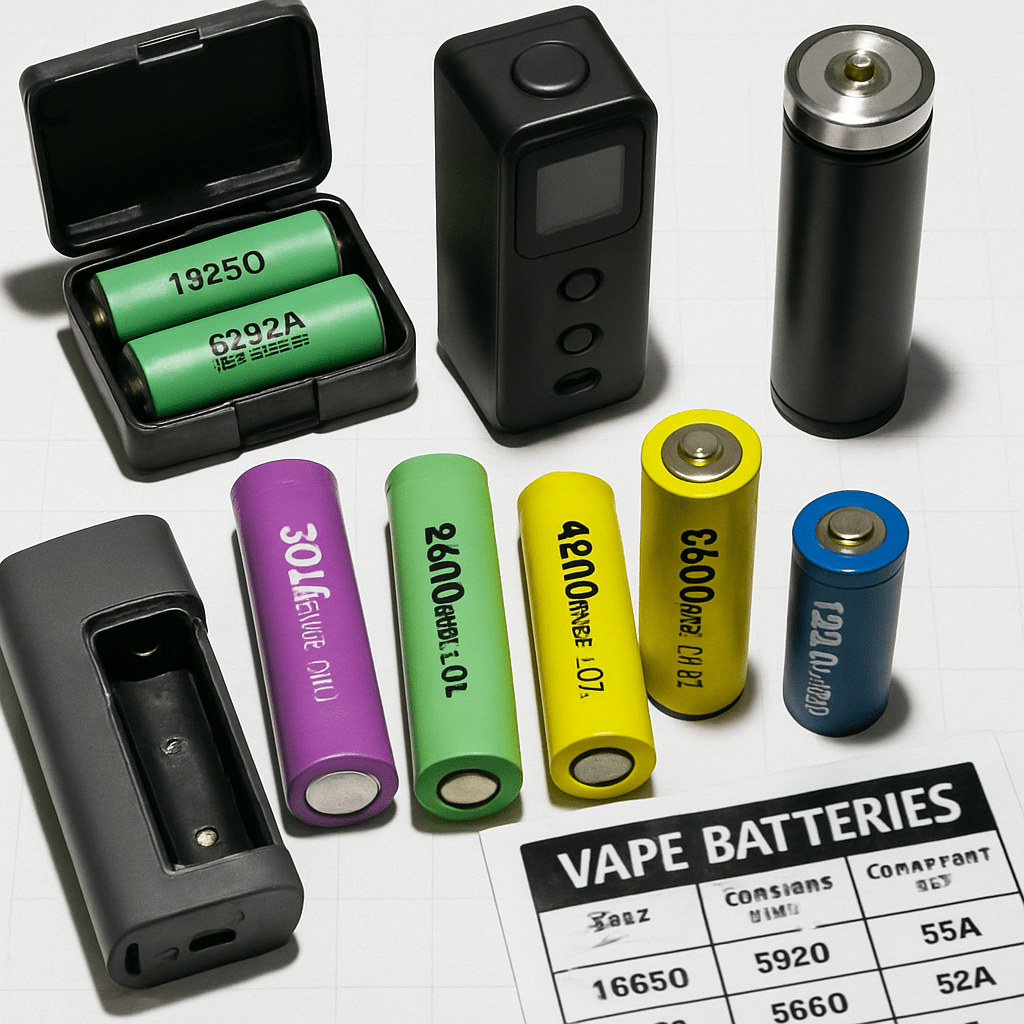
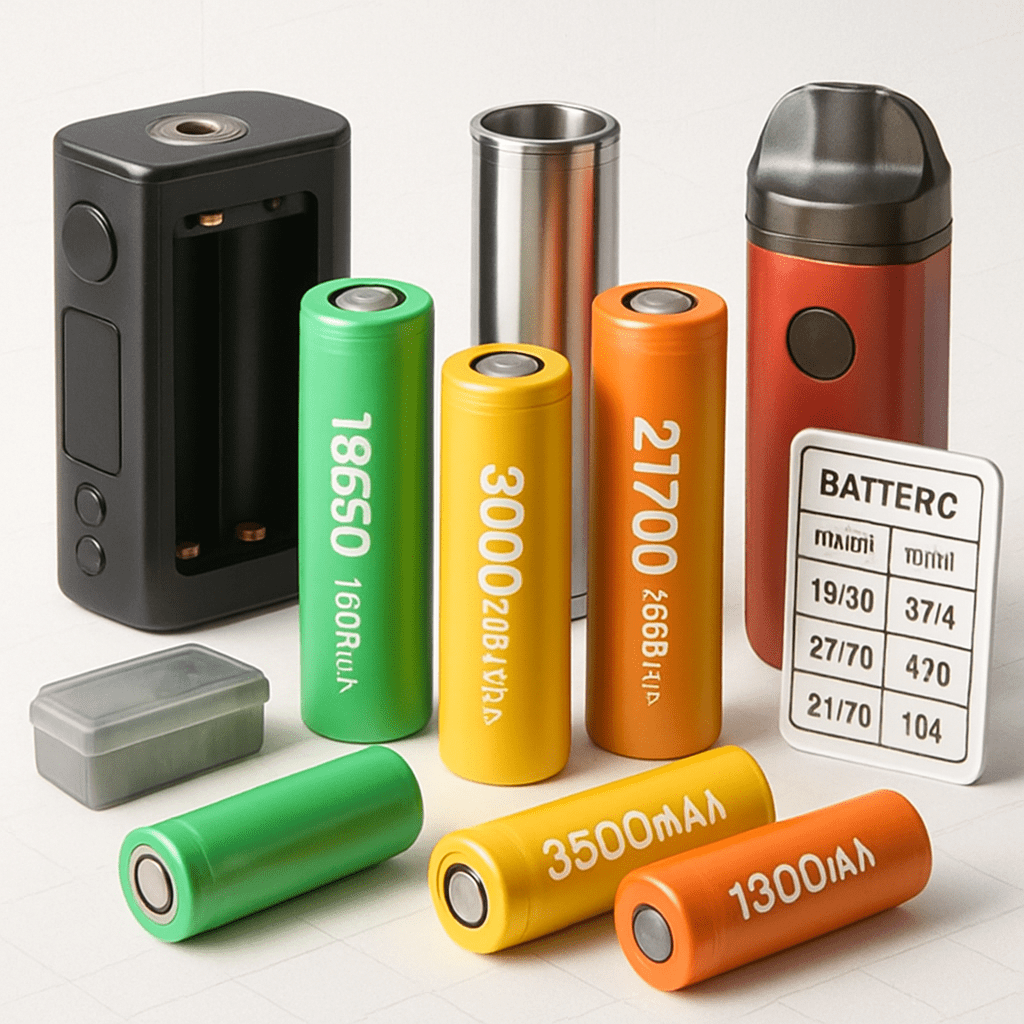
Removable batteries slide out of mods. Charge them separately in external chargers or swap in fresh ones mid-day. Popular sizes include 18650 (18mm diameter, 65mm length) and 21700 (21mm x 70mm) batteries. These fit most box mods from Vaporesso, Aspire, and similar manufacturers.
Built-in Batteries for Convenience
Pod systems dominate the built-in battery market for good reason. STLTH, Allo, and similar devices are straightforward to use. No battery management or safety protocols. The failure rate is also lower, with fewer user errors when there are fewer things to mess up.
New vapers transitioning from smoking often prefer these. The simplicity helps them focus on quitting cigarettes rather than learning essential battery safety basics like voltage curves and discharge ratings. Experience at shops like Majestic Vapes suggests simpler devices correlate with better quit success; people stick with vaping when it’s easy, not when it’s complicated.
USB-C charging changed the game here. Some devices fully charge in 30-45 minutes from a completely dead state. Compare that to older micro-USB models that took 2-3 hours.
Removable Batteries for Flexibility
Removable batteries suit experienced vapers and heavy users who vape 5mL+ daily. The ability to carry spare batteries means unlimited runtime. No waiting for charges during 12-hour workdays or long road trips.
Single-battery mods (45-80W output typically) are portable and pocket-friendly. Dual-battery mods (up to 150-220W) deliver more power and longer life. Quality batteries run $15-25 CAD each. Those same batteries, properly maintained, provide reliable performance over extended periods (the specific lifespan is covered in the maintenance section below).
The flexibility helps with Canadian conditions, too. Temperature effects on battery performance are covered in detail in the safety section.
Matching Battery Type to Quit-Smoking Goals
New quitters need simplicity. The first 30 days off cigarettes is hard enough without battery complications adding stress. Built-in battery pod systems reduce cognitive load significantly compared to managing removable batteries.
Majestic Vapes staff have seen this pattern consistently over 7 years and 10,000+ customers served. Someone walks in, just quit smoking, and is overwhelmed by options. Hand them a STLTH or similar pod system. They focus on not smoking, not on battery chemistry. This approach tends to work better; simpler devices help more people maintain their quit attempts.
After 3-6 months smoke-free, some people want more. More vapour production, more flavour intensity, more customisation. That’s when removable batteries make sense. The device becomes a hobby, not just a smoking cessation tool.
Popular Battery Sizes and What They Mean
Check the mod’s battery compartment or manual for the size designation. The numbers indicate physical dimensions: 18650 means 18mm diameter by 65mm length (the industry standard for most 2015-2023 mods), while 21700 means 21mm by 70mm (a newer, higher-capacity format for 2020+ devices). Don’t try forcing wrong-size batteries. Beyond size, you’ll also need to verify battery terminal configurations to ensure compatibility with your specific mod’s design. The diameter difference prevents insertion and attempting to force them damages wraps, creates shorts, and risks thermal runaway.
Battery sizes look like random numbers. They’re not. Take 18650: that’s 18mm diameter, 65mm length. A 21700 battery is 21mm in diameter and 70mm long. Simple geometry. Larger numbers mean bigger batteries, generally more capacity (though chemistry matters too).
Capacity is measured in mAh (milliamp-hours); think of it as a fuel tank size. An 18650 might hold 2500-3500mAh. A 21700 could pack 4000-5000mAh. That’s roughly 40-50% more capacity in a battery that’s only 16% wider, thanks to improved lithium-ion chemistry.
But here’s the catch. Higher capacity often means lower discharge rates (measured in amps). It can’t always have maximum capacity and maximum power output. A 3500mAh battery might only safely deliver 10A continuous. A 2500mAh battery from the same manufacturer might handle 30A. The difference is internal cell construction.
18650 Batteries: The Industry Workhorse
Think Honda Civic reliability. Most vape mods manufactured between 2015 and 2023 use these batteries. Physical dimensions: 18mm diameter, 65mm length (roughly two stacked CR123A camera batteries). Weight typically runs 45-48 grams. Capacities range from 2500 mAh to 3500 mAh for authentic cells.
Majestic Vapes stocks Samsung 25R and 30Q (widely considered industry benchmarks at $15-18 CAD), Sony VTC5A and VTC6 (premium performance at $18-22 CAD), and Molicel P26A and P28A (newer performers at $20-25 CAD). These manufacturers actually produce batteries, not vape companies slapping logos on Chinese cells.
Standing at a battery display, wondering which to grab? The Samsung 25R and 30Q are where most people start. The 25R offers 2500mAh capacity with a solid 20A continuous discharge rating. It handles moderate to high wattage (up to 75W comfortably on a dual-battery mod). The 30Q steps up to 3000mAh capacity with 15A continuous, better for MTL (mouth-to-lung) vapers who prioritise runtime over raw power.
Compatible devices include Vaporesso Gen and Luxe series, Aspire Puxos and Speeder, and similar regulated mods.
21700 Batteries: The New Standard
Newer battery technology. Larger physical size allows more capacity without sacrificing discharge capability. These batteries often exceed 4000 mAh, with some reaching 5000 mAh while maintaining 30A discharge rates.
Popular mods supporting 21700 batteries include Vaporesso Gen S and Gen 200 and Geekvape Aegis Legend 2
The Samsung 40T delivers 4000mAh capacity with a 30A continuous discharge rating, making it one of the batteries optimised for extended daily use. That’s the sweet spot for most vapers, providing extended runtime compared to 18650 cells. It costs $22-25 CAD. This battery is particularly popular with all-day vapers.
Choosing Batteries for Different Vaping Styles
Vaping style dramatically affects battery requirements. The power difference between styles is substantial, often 2-3x in consumption.
MTL (mouth-to-lung) vaping mimics cigarette draws. Tight airflow, mouth-to-lung inhalation, lower wattage (10-40W typically). Think pod systems and MTL tanks with 1.0-1.8Ω coils. This style suits new vapers transitioning from smoking.
DTL (direct-to-lung) vaping involves direct lung hits with open airflow. Sub-ohm tanks (0.15-0.8Ω coils), high wattage (60-150W commonly), big clouds. Power demands often exceed 80W. This style requires serious battery capability with discharge rates of 20-30A continuous, often with dual batteries to share the load.
Battery Requirements for Mouth-to-Lung Devices
MTL devices sip power. Most operate between 10W and 40W, with sweet spots typically around 15-25W. This low power draw means almost any quality battery works fine; discharge demands rarely exceed 8-10A. Higher-capacity batteries make more sense here. Since discharge rates matter less, choose batteries with 3000mAh or more.
Popular MTL devices include pod systems like STLTH (built-in 420mAh battery, USB-C charging) and Allo devices, as well as MTL tanks like the Aspire Nautilus on regulated mods.
Battery Needs for Direct-to-Lung Setups
DTL vaping demands serious current, 20-30A draws on high-wattage devices. Sub-ohm coils at 80W+ pull heavy amperage from batteries. The physics is unavoidable: P=VI (power equals voltage times current), so high power means high current.
Look for batteries rated at 20A continuous discharge or higher, and that means continuous, not pulse ratings. Higher wattage vaping (100W+) might require 25A-30A-rated batteries like the Sony VTC5A (25A) or the Molicel P28A (35A). Dual-battery mods split the load. At 100W with two batteries, each delivers roughly 12-15A versus 25-30A for a single battery.
Capacity takes a back seat to discharge capability. A 2500mAh battery with a 30A rating outperforms a 3500mAh battery with a 15A rating for DTL every time. The high-capacity battery operating beyond its limits heats up, voltage sags, and degrades rapidly.
Check typical wattage settings on the mod’s screen. Use this formula: (Watts ÷ 3.2V) ÷ number of batteries = required amps per battery. At 100W with two batteries: (100 ÷ 3.2) ÷ 2 = 15.6A per battery. Use 20A+ rated batteries for a safety margin.
Battery Specifications That Actually Matter
Battery specifications overwhelm newcomers. Focus on three specs that actually impact the vaping experience. Everything else is mostly noise.
mAh (milliamp-hours) indicates energy storage capacity, which determines how long batteries last. Higher numbers mean longer runtime. CDR (Continuous Discharge Rating) shows safe current output and how much power the battery can deliver safely. Measured in amps. This determines which devices can safely use which batteries. Voltage stays relatively standard around 3.7V nominal. Regulated devices manage this automatically.
Understanding Capacity and Runtime
mAh (milliamp hours) measures energy storage capacity. A 3000mAh battery theoretically delivers 3000mA (3A) for one hour, or 1500mA for two hours. In practical vaping terms, a 3000mAh 18650 battery generally lasts 8-12 hours of light vaping (20W), 4-6 hours of moderate vaping (50W), or 2-3 hours of heavy vaping (100W+). Real-world performance is typically 70-85% of the theoretical maximum due to voltage sag and device cutoff voltages.
Typical ranges: 18650 batteries usually offer 2500-3500mAh. 21700 batteries often provide 4000-5000mAh. Balance capacity against discharge rating. This is the crucial trade-off. A 2500mAh battery with 30A CDR often serves DTL vapers better than a 3500mAh battery with 15A CDR.
Amp Ratings and Safety Margins
CDR determines safe operating limits. It’s the maximum current the battery can deliver continuously (30+ seconds without pause) while staying under manufacturer-specified safe temperatures, typically 75-80°C. Exceed this rating and batteries overheat, potentially reaching temperatures where serious problems occur.
Calculate the required amperage based on wattage. The formula is simple: Current (A) = Power (W) ÷ Voltage (V). At 75W with 3.7V battery: 75 ÷ 3.7 = 20.3A required. Use 25A+ rated batteries for a safety margin.
Pulse ratings mislead consumers. Manufacturers advertise impressive pulse numbers (35A, 40A, even 50A), but continuous ratings matter for vaping. Ignore pulse ratings and focus on CDR.
Safety margins prevent problems. If calculations suggest needing 20A, use 25A-30A rated batteries. This 25-50% cushion accounts for battery ageing, environmental factors, and calculation uncertainties. Operating batteries at 60-70% of their CDR is generally considered best practice for maximising lifespan and safety.
Keeping Your Batteries Safe in Canadian Conditions
Battery safety prevents fires, injuries, and device damage. Canadian environmental conditions add unique challenges beyond standard safety practices. Cold winters (regularly -10 to -30°C in the GTA during January-February), temperature swings, and humidity changes affect battery performance and safety in ways other regions never experience.
Basic safety practices prevent the majority of battery incidents, according to fire safety data. Proper storage in protective cases ($2-5 CAD, non-negotiable), avoiding physical damage, using quality external chargers (Nitecore, XTAR brands at $30-70), and following charging protocols. Fire safety experts note that charging-related incidents occur disproportionately during sleeping hours, so never leave batteries charging unattended overnight.
Winter Battery Care for Canadian Vapers
Cold batteries perform poorly. Leave a mod in the car overnight during a Brampton winter at -20°C and expect maybe 30% of normal capacity. Internal resistance increases significantly with temperature drops. Based on lithium-ion chemistry behaviour, capacity typically drops 15-25% at -10°C and possibly 30-40% at -20°C, reducing effective discharge capability.
Keep spare batteries warm using body heat. Inside jacket pockets work perfectly, maintaining batteries at 20-25°C even when outside temperatures hit -15°C. Swap warm batteries into cold mods for instant performance. The performance difference is dramatic. Warm batteries deliver near-normal capacity; cold batteries struggle significantly.
Bringing cold batteries indoors requires patience. Let them reach room temperature gradually over 20-30 minutes. Rapid temperature changes cause condensation inside battery wraps as moisture in the air condenses on cold metal surfaces. Moisture and electricity don’t mix. Condensation can cause shorts or corrosion.
Majestic Vapes customers in Brampton and Mississauga report better winter performance following these practices. Proper temperature management extends winter battery life significantly.
Essential Battery Safety Practices
Store batteries in protective cases always, following proper battery storage practices year-round. Loose batteries in pockets or bags risk short circuits when the positive and negative terminals contact metal objects. Keys, coins, or other batteries touching both terminals simultaneously cause shorts. Battery cases cost $2-5 CAD and prevent this entirely.
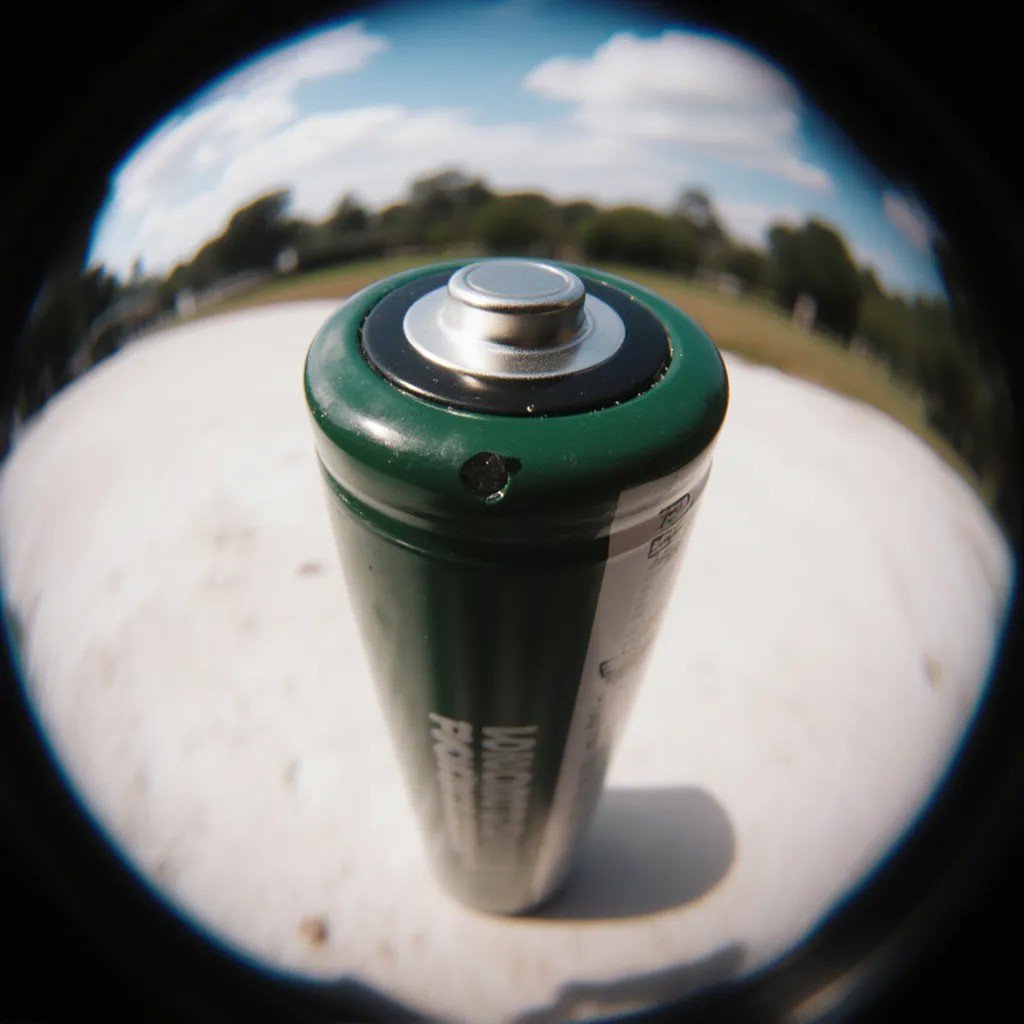
Inspect battery wraps weekly. Checks take 30 seconds. Damaged wraps (tears, punctures, exposed metal) compromise safety because the battery casing is the negative terminal. Even tiny tears expose metal that can short against device internals. Rewrap damaged batteries immediately using heat-shrink wraps (around $0.50-1.00 each) and a hair dryer.
Charge batteries properly using quality equipment. Quality external chargers (Nitecore D4 at $45-55 CAD, XTAR VC4 at $45-50 CAD) monitor individual cell voltage and temperature, preventing overcharge, over-current, and thermal issues. USB charging works for emergencies, but external chargers charge more safely and faster.
Match batteries in multi-battery mods. This is critical. “Married batteries” means buying sets and using them together always. Different wear patterns cause capacity imbalances. Buy batteries in sets of 2-4, mark them (A1/A2 with tape or marker), use them together, retire them together. Never mix brands, capacities, ages, or charge levels.
Making Your Batteries Last Longer
Battery longevity directly impacts vaping costs. Well-maintained batteries can last significantly longer than neglected ones. Charging habits matter most. How batteries get charged affects their lifespan more than any other factor.
Smart Charging Strategies
Avoid full discharge below 20-30% remaining capacity. Lithium-ion batteries don’t respond well to being fully depleted. Stop using batteries when devices indicate low charge. Each full discharge cycle reduces lifespan slightly more than partial discharge cycles.
Avoid constant full charging to 100%. Keeping batteries at maximum charge constantly degrades them faster. Charge to 80-90% for daily use (most chargers allow stopping the charge manually). Full charges to 100% before extended vaping sessions make sense for convenience. Regular full charges accelerate ageing compared to charging to 85% according to battery research.
External chargers outperform USB charging significantly for removable batteries. Quality 4-bay chargers monitor individual cell voltage and temperature, charge more evenly, and faster. Investing in decent chargers pays for itself through extended battery life.
Battery Rotation and Lifespan
Using three or four batteries in rotation reduces individual usage cycles. Each battery charges and discharges less frequently. This gentler use extends overall lifespan. Three batteries provide more total runtime than two batteries over the same period.
Most quality batteries (Samsung, Sony, Molicel) typically last 300-500 charge cycles before dropping below 60-70% of original capacity according to manufacturer specifications. That’s generally 18-24 months for daily users charging once daily, or 12-18 months for heavy users charging twice daily. Replace batteries proactively, recognising when batteries have reached the end of their lifespan, typically when runtime drops 40-50% from new, when they heat excessively during normal use (above 50°C), or when physical damage appears.
Maintenance Tasks That Extend Battery Life
Clean battery contacts monthly using isopropyl alcohol (70-90% concentration) on cotton swabs. Clean both battery terminals and device contacts. Dirty contacts from e-juice residue or oxidation increase resistance, generating extra heat and reducing performance. Monthly cleaning takes 3-5 minutes.
Shop now in the #1 Online Vape Shop in Canada
We Ship Anywhere in Canada Including Quebec
Inspect wraps weekly during regular cleaning or battery swaps. Look for tears (any size matters), punctures, loose areas, or discolouration. Minor damage becomes a major problem quickly. Replace damaged wraps immediately using heat-shrink wraps and a hair dryer.
Monitor performance over time by tracking subjective runtime. Notice if batteries drain faster than usual. Track purchase dates on batteries with a permanent marker or labels. Old batteries can be recycled at Best Buy, Home Depot, and Canadian Tire locations in the GTA.
Spotting Counterfeit Batteries Before You Buy
Counterfeit vape batteries flood the market. Industry experts estimate that anywhere from 30-50% of batteries sold online are counterfeit, with high-performance cells like Sony VTC5A being particularly targeted. Fake batteries perform poorly (often containing much lower capacity cells despite higher claims) and pose serious safety risks (discharge ratings often significantly lower than claimed).
Counterfeits typically use lower-quality cells with fake labels. They misrepresent capacity and discharge ratings. A fake “3000mAh 30A” battery might actually contain a much weaker cell. Using it at claimed ratings causes dangerous overheating.
Red Flags That Signal Fake Batteries
Label quality reveals authenticity. Authentic batteries feature crisp, clear printing (high-resolution graphics, sharp text edges), accurate colours matching manufacturer specifications, and proper grammar. Counterfeits often show blurry text, poor colour matching, misspellings, or incorrect fonts.
Suspiciously low pricing indicates problems. Quality batteries cost manufacturers $2-4 to produce, distributors add $2-3, and retailers add $6-10 for overhead. Result: $12-20 retail pricing in Canada. Listings advertising “authentic Samsung 30Q batteries, 4 for $20” ($5 each) are mathematically impossible for legitimate products.
Missing or incorrect authentication codes strongly suggest counterfeits. Many manufacturers include verification codes on packaging, scratch-off numbers or QR codes verified on manufacturer websites. Check them immediately after purchase.
Weight and dimensions provide physical verification. Authentic batteries have specified weights (18650 cells typically 44-48 grams, 21700 cells 65-70 grams). Counterfeits sometimes vary. Lighter weight indicates less dense internal construction. Digital scales and callipers verify specifications.
Why Trusted Retailers Matter for Battery Safety
Majestic Vapes sources batteries from authorised distributors exclusively, working with Canadian distributors who maintain direct relationships with Samsung, Sony, and Molicel. This guarantees authenticity through verified supply chains. Seven years in business means established relationships. Reputation depends on stocking genuine products.
Warranty and return policies protect customers. Buy counterfeit batteries online from marketplace sellers, and you’re stuck with them. Established shops stand behind products with 30-day returns, defect replacements, and customer service.
Expert staff knowledge aids authentication through years of experience. Experienced employees recognise authentic products by sight. This expertise protects customers from counterfeits through pre-purchase inspection and education.
Physical stores provide verification opportunities beyond online photos. Examine products before purchase. Hold batteries, check labels under good lighting, compare weights, and inspect packaging quality.
Battery Costs and Budget Planning
Quality batteries aren’t cheap upfront. Cheap batteries waste money through poor performance, short lifespan, and safety risks.
Battery costs vary by retailer, brand, and market conditions. Prices listed represent approximate 2025 Greater Toronto Area market ranges and should be verified with retailers before purchase. Individual savings and battery lifespan depend on usage patterns, maintenance practices, and environmental conditions.
Initial Investment Requirements
Initial investment for dual-18650 mod users runs approximately $90-150 CAD total: four batteries for rotation ($50-80 for Samsung or Sony), one quality 4-bay charger ($40-60 for Nitecore or XTAR), and 2-3 battery cases ($4-10).
Dual-21700 mod users pay more: approximately $125-190 CAD (four batteries at $80-120, same charger, same cases). This seems high compared to pod systems, but the economics shift dramatically over time.
Single high-quality 18650 battery: typically $12-20 CAD at retailers like Majestic Vapes. Complete set of four premium 21700 batteries: approximately $80-120. External 4-bay charger: $40-60. Battery cases: $2-5 each.
Long-Term Cost Analysis
How long batteries last determines spending over time. Built-in battery devices require full replacement when batteries degrade after typical usage periods. Removable battery devices just need new battery sets at regular intervals.
Over two years, the math often favours removable batteries. After 15-18 months, the savings compared to replacing built-in battery devices become apparent. Individual results may vary significantly based on vaping frequency, device type, and battery care. Long-term maintenance costs typically run lower with proper battery management.
Selecting Quality Within Budget
Don’t cheap out, but you don’t need the most expensive batteries either. Top-tier batteries (Sony VTC5A, Molicel P28A at $22-25) outperform budget options significantly with longer lifespan, better performance, and superior safety profiles.
Mid-range batteries from Samsung (30Q, 25R at $15-18) provide excellent value, delivering most of the premium performance at a lower price. Skip no-name brands entirely. These save initially but cost more in the long run.
Buy batteries in sets for rotation. Four batteries cost more upfront but last longer collectively through reduced individual stress.
Getting the Right Battery Support in the GTA
Battery selection overwhelms many vapers with technical specifications, safety considerations, and compatibility questions. Expert guidance simplifies this process dramatically, reducing decision time from hours of research to brief consultations.
Majestic Vapes brings 7 years of battery expertise to the GTA. That’s over 10,000 battery recommendations since 2018, countless customer interactions troubleshooting battery issues, and extensive experience with Canadian-specific conditions. The staff has guided everyone from first-time pod system users to experienced builders requiring precise battery calculations.
In-person consultations beat online research through personalised recommendations. Bring devices to the Brampton (4 McLaughlin Rd S #9) or Mississauga (1900 Dundas St E Unit 3) locations during extensive hours (Brampton 10 AM-9 PM daily, Mississauga 11 AM-7 PM daily). Staff examines devices, asks about usage, and recommends specific batteries.
Proper battery choice affects the entire vaping experience significantly. The right batteries improve performance (consistent power delivery, optimal flavour and vapour), enhance safety (appropriate discharge ratings, reduced overheating risks), and reduce costs (extended lifespan through proper matching, fewer replacements). Wrong batteries create frustration, safety risks, and expense.
Shop now in the #1 Online Vape Shop in Canada
We Ship Anywhere in Canada Including Quebec
Dead batteries at the wrong time drive people back to smoking. Wrong batteries cause safety incidents, deterring continued vaping. Expensive battery mistakes make vaping seem unaffordable. Don’t leave battery success to chance or trial-and-error learning. Get personalised recommendations from experienced staff who understand Canadian vaping conditions, GTA customer needs, and local regulations.
This guide is for informational purposes only and should not be considered professional electrical or safety advice. Battery specifications, performance characteristics, and safety standards change frequently. Always consult current official sources and experienced vape retailers like Majestic Vapes for up-to-date information specific to device and usage needs. Individual results and battery performance may vary significantly based on usage patterns, environmental conditions, and device specifications.