How to Know When Your Vape Battery Needs Replacing

Picture this: You’re halfway through your morning commute on the 401, and your vape battery dies again. You charged it overnight, but it’s already flashing red after just 90 minutes. Sound familiar?
Vape batteries, like all rechargeable lithium-ion cells, naturally degrade over time through electrochemical processes. But there’s a big difference between normal aging (approximately 15-20% capacity decline over 12-18 months) and a battery that’s actually dangerous and needs immediate replacement.
After seven years helping Greater Toronto Area vapers at Majestic Vapes, I’ve seen every battery issue imaginable. The good news? Identifying failing batteries is straightforward once you know what to look for. Whether you’re using a STLTH pod system, Flavour Beast device, or Elf Bar disposable, you’ll learn exactly when your battery needs attention and what to do about it.
We’ll tackle the challenges unique to Canadian winters, help you decide between replacement and upgrading, and show you how to extend battery life before problems start. Prevention strategies at the end can add months to your battery’s lifespan.
Disclaimer: Battery technology, product specifications, pricing, and regulations change frequently. Information is based on early 2025 data and current industry standards. Battery performance, pricing, product availability, and specifications vary significantly by brand, usage patterns, environmental conditions, and geographic location. All cost estimates, performance projections, and lifespan predictions are approximate. Verify current information with manufacturers and authorized retailers before making purchasing decisions.
Regional Note: This article references Greater Toronto Area conditions and Canadian market pricing. Temperature ranges, product availability, pricing, and regulations vary by region. Adapt recommendations to your local climate, market conditions, and applicable regulations.
Shop now in the #1 Online Vape Shop in Canada
We Ship Anywhere in Canada Including Quebec
Understanding Why Vape Batteries Fail
Understanding why batteries degrade helps you spot problems early and prevent safety issues. All rechargeable batteries naturally lose capacity over time through basic electrochemistry.
Normal Battery Degradation Timeline
How long do vape batteries actually last before needing replacement? Quality vape batteries generally deliver approximately 300-600 full charge cycles before dropping to around 80% of original capacity. When it’s time to replace, consider selecting batteries designed for extended daily use to maximise your time between charges. For daily vapers charging once per day, this translates to roughly 10-20 months of solid performance, with premium cells like Sony VTC6 or Samsung 30Q often reaching the upper end and budget cells hitting the lower end. After crossing that threshold, degradation accelerates. You might get another 3-6 months before the battery becomes genuinely problematic. The exact timeline depends on charging habits, usage intensity, and environmental factors. Actual lifespan varies significantly based on individual usage patterns, charging habits, environmental conditions, and product quality.
The Chemical Process Behind Capacity Loss
Lithium-ion batteries pack impressive energy density into small spaces and recharge hundreds of times before significant degradation. Every charge cycle causes chemical reactions that gradually break down electrode materials through solid electrolyte interphase layer growth. This increases internal resistance from typically 50-80 milliohms when new to 150-250+ milliohms as cells age.
Electrode wear happens at the microscopic level. The positive cathode (lithium cobalt oxide or manganese oxide) and negative anode (graphite) slowly deteriorate with each cycle. The electrolyte (lithium salt solution allowing ions to flow between electrodes) also breaks down, forming deposits that create resistance.
This is why older batteries get warmer during use. Heat equals wasted energy through resistance. You’re heating your pocket instead of powering your coil. A new 3000mAh battery might only hold approximately 2400mAh after 12-15 months and approximately 2000mAh after two years. That roughly 33% capacity loss explains why your all-day battery now barely makes it to lunch.
This degradation is permanent. You can’t “restore” battery capacity through special charging techniques or apps, despite what YouTube claims.
How Different Battery Types Age Differently
Not all vape batteries age the same way.
Integrated Lithium-Polymer (LiPo) Batteries: Found in pod systems (STLTH, anything slim and pocketable), these flat pouch-style cells use gel electrolyte allowing thin profiles. They typically last 300-400 cycles but are more heat-sensitive than cylindrical cousins. A LiPo left in your car during summer can lose significant capacity in a single afternoon. Expect approximately 12-16 months of daily use before noticeable frustration sets in.
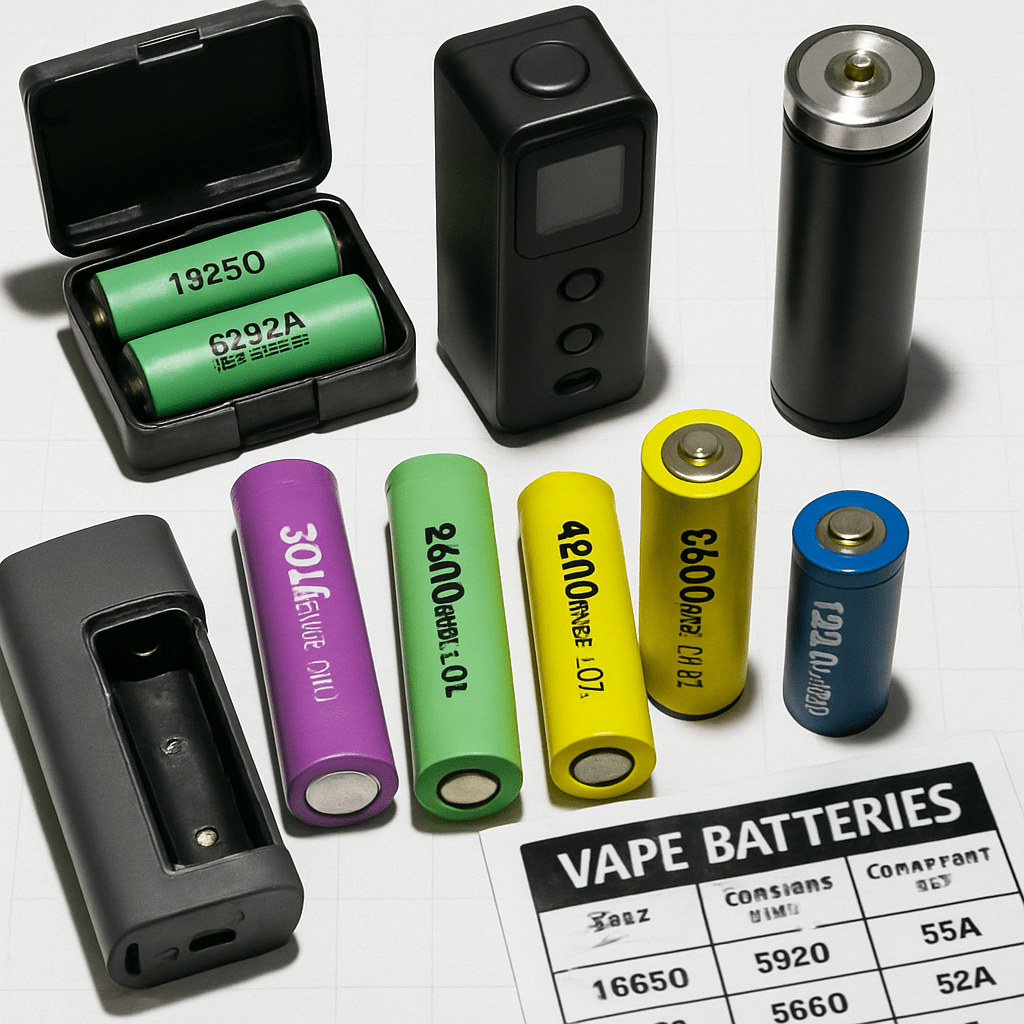
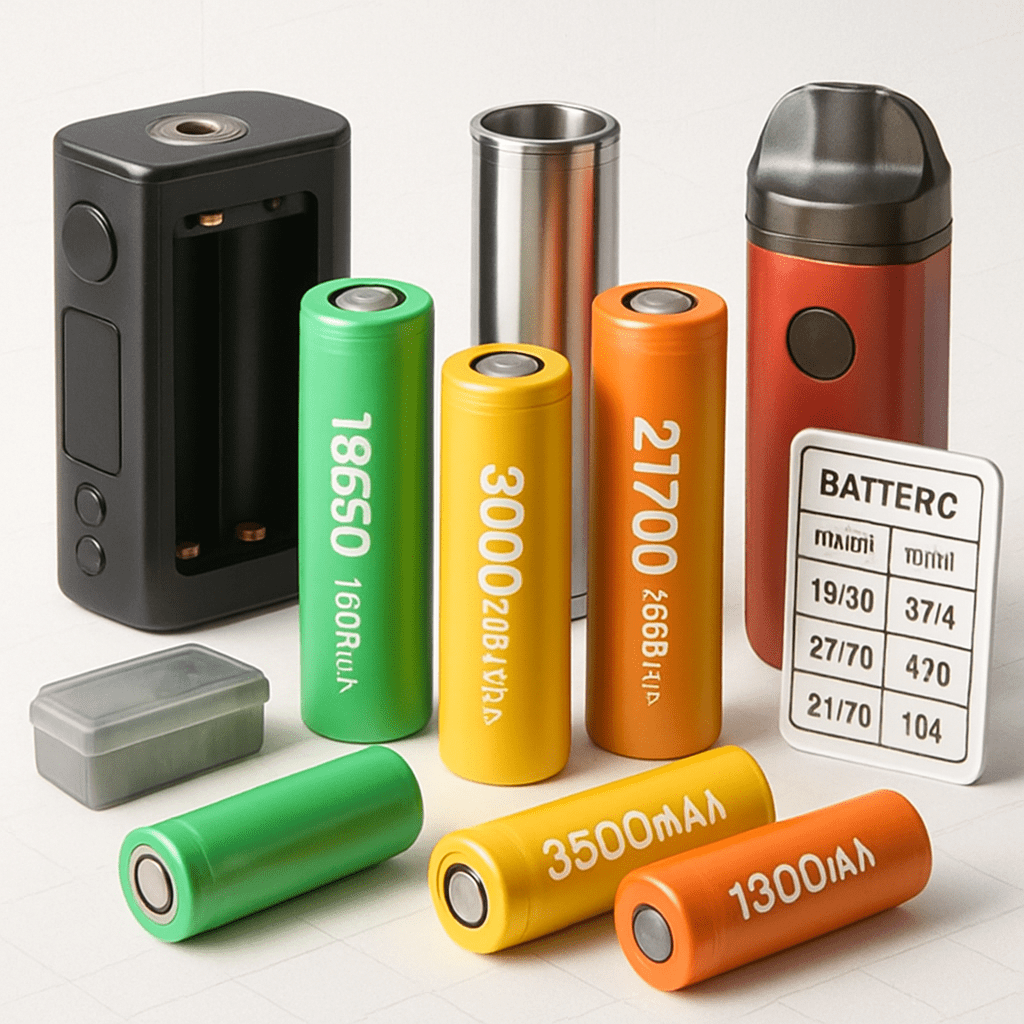
Cylindrical Lithium-Ion (18650, 20700, 21700) Batteries: These removable cells look like oversized AA batteries. They use liquid electrolyte and have more robust construction, meaning better longevity and heat tolerance. Quality 18650 cells typically reach the higher end of the cycle life range when properly maintained. That’s approximately 15-20 months of daily charging, potentially longer with excellent habits. The 20700 and 21700 formats often last even longer due to more electrode material and better heat dissipation.
High-Drain Lithium-Ion (IMR/INR Chemistry): These cells are specifically engineered for high-power devices, designed to safely deliver 20-30+ amps continuously. They use different cathode chemistry (IMR uses manganese, INR uses nickel-manganese-cobalt) that’s inherently safer under high stress. These cells (Sony VTC5A, Samsung 20S, Molicel P26A) sacrifice some capacity to achieve higher amperage ratings. If you’re running your mod at 80-150 watts, you absolutely need high-drain cells.
What Accelerates Battery Failure
Several factors accelerate degradation beyond normal aging. High-drain vaping (80-120W versus 40-60W) stresses batteries through higher current draw. Improper charging habits are major killers: leaving batteries on chargers long after full charge, using fast chargers unnecessarily, and repeatedly draining to 0% can reduce lifespan significantly. That’s potentially turning an 18-month battery into roughly a 9-month battery through preventable errors. Temperature extremes also wreak havoc, which we’ll explore in detail in the Canadian weather section below.
Seven Warning Signs Your Battery Is Dying
Recognizing battery problems early prevents frustration, inconvenience, and safety hazards. When should I replace my vape battery? Replace when you’re experiencing 2-3 or more of these warning signs simultaneously. A single symptom might be normal aging, but multiple symptoms indicate genuine end-of-life. The critical threshold: when battery performance actively interferes with your daily routine (charging multiple times daily when once sufficed, device dying during your commute, constant “low battery” anxiety), it’s time.
Dramatically Shorter Usage Time Between Charges
This is the most common complaint: “My battery used to last all day, now I’m charging it three times.” If your device previously got you through 8-12 hours and now dies in 4-6 hours with the same usage patterns, that’s significant capacity loss. Track your charging frequency over 2-3 weeks. Going from once daily to 2-3 times daily represents measurable evidence of substantial capacity decline. A modest reduction in runtime over the first year is normal aging. Losing half your capacity in 6-9 months signals accelerated failure requiring immediate attention.
Device Overheating During Use or Charging
Your device should feel warm during heavy use. But if your vape becomes uncomfortably hot (too hot to grip comfortably for more than 10-15 seconds), that indicates problems with increased resistance or developing short circuits. Critical safety warning: Overheating batteries can fail catastrophically through thermal runaway. Battery-related fires do occur, with most incidents involving damaged or degraded batteries that showed warning signs beforehand. If your device becomes painfully hot, stop using immediately, let it cool in a safe location away from flammables, and replace urgently.
Longer Charging Times Without Full Charge
Notice your device spending 4-6 hours charging (versus 2-3 hours when new) but never reaching 100%? That’s increased internal resistance making charging less efficient. The battery management system shows fully charged because voltage rises quickly, fooling the display. But actual stored capacity is much lower. You might plug in overnight, check it in the morning, find it “fully charged,” then have it die within an hour of moderate use.
Battery Percentage Drops Rapidly or Behaves Erratically
When that indicator becomes unreliable (jumping from 60% to 20% in minutes, or claiming full charge then dying within half an hour), your battery’s voltage regulation is failing. As batteries age, voltage becomes unstable under load: dropping rapidly when you fire your device, then partially recovering when resting. This confuses the algorithms trying to estimate remaining capacity. This erratic behavior, combined with inconsistent vapor production, makes vaping unreliable.
Weaker Vapor Production and Throat Hit
This symptom surprises many vapers because they assume weak performance means coil problems. But dying batteries often can’t deliver sufficient power to properly heat coils. If you’re getting weak, cool vapor at your usual wattage and you’ve already replaced your coil within the last week, suspect battery failure. If your battery’s voltage drops too low under load, the coil doesn’t heat sufficiently. The throat hit diminishes, flavors taste muted, and clouds look anemic.
Physical Battery Damage or Swelling
For removable batteries, inspect for damaged or torn battery wraps. Even small tears or exposed metal compromise safety by potentially creating shorts. If you’re new to handling external batteries, review core battery safety practices to prevent damage and ensure safe operation. Damaged wraps require immediate replacement. Battery wraps typically cost just $0.25-0.50 CAD per wrap and take 2-3 minutes to install. Bulging or swelling is extremely serious for any battery type. Batteries swell when internal gases build up from chemical degradation or overheating. Critical warning: Never ignore swollen batteries. Never puncture them. Never continue using them. Stop immediately, place in a safe container away from flammables, and dispose of at proper recycling facilities. Note: Battery disposal regulations vary by municipality. Consult your local waste management authorities for specific requirements.
Constant Low Battery Warnings at Normal Settings
When your device constantly displays low battery warnings or refuses to fire at your usual wattage, even shortly after charging, the battery can no longer maintain adequate voltage under load. With high resistance, even modest current causes dramatic voltage sag below the safety threshold. The device shuts down for protection, displays warnings, or refuses to fire despite showing significant charge remaining. These symptoms indicate end-of-life. Replace within 1-2 weeks before complete failure.
Battery Issues Specific to Your Device Type
Pricing Disclaimer: All prices shown are approximate market rates as of early 2025 in Ontario, Canada, and are subject to change without notice. Actual costs vary significantly by retailer, region, product availability, and market conditions. Product specifications and features may change. Always verify current pricing, product specifications, and availability with local authorized retailers before purchasing. Individual results vary significantly.
Different devices experience battery problems differently based on design and power requirements.
Pod System Batteries: Integrated Lithium-Polymer Cells
Closed Pod Systems (STLTH and similar): These sealed systems use 350-500mAh batteries providing 6-10 hours of typical use. Failure signs: LED indicator behaving erratically, pods not clicking firmly (battery swelling causes deformation), weak draws even with fresh pods, and charging taking much longer. We typically see these lasting approximately 10-14 months with daily use. Check with local retailers for current device pricing.
Refillable Pod Systems (Caliburn, Vaporesso XROS, Voopoo Drag): Similar batteries but you refill with your own e-liquid. Diagnostic process: Try a brand-new pod cartridge first. If that doesn’t fix it, it’s definitely the battery. These typically last slightly longer than closed systems with proper care.
Box Mod Batteries: Removable Cylindrical Cells
Single-Battery Mods (18650, 20700, 21700): These compact mods use one removable cell and typically max out at 75-100W. Replacement is cheap and easy. One quality cell takes literally 15 seconds to swap. Slide open the battery door, pop out old battery, drop in new one. Your device performs like new for another year or more.
Dual-Battery Mods (2x 18650, 2x 20700, 2x 21700): These workhorses can push 150-220 watts. Should I replace both batteries even if only one seems bad? Yes, absolutely replace both together. Always. If one battery has degraded more, the weaker one sags under load, forcing the stronger battery to shoulder more current. This accelerates degradation of the good battery. Within weeks, you’ll have two bad batteries instead of one.
Triple and Quad Battery Mods (3-4x 18650): These enthusiast devices are capable of 200-300+ watts. Battery management complexity increases exponentially. You’re managing a “married set” that must be charged, used, and replaced as a group.
Disposable Vape Batteries
Non-Rechargeable Disposables: Sealed units with batteries designed to deplete simultaneously with e-liquid. The battery is sized to die within roughly 100-200 puffs of the e-liquid running out. If it dies with liquid remaining, you likely got a defective unit or counterfeit.
Rechargeable Disposables: These pack more e-liquid with smaller batteries requiring 1-3 recharges during the device’s life. The battery should outlast the e-liquid. If it dies before the e-liquid runs out, especially on the first or second charge, something’s wrong.
Testing Your Battery Health Accurately
Simple At-Home Testing Methods
Beyond obvious symptoms, systematic testing helps assess battery health objectively. Charge time tracking: Measure full charge time from approximately 20% remaining when new (establish baseline), then reassess every 2-3 months. Significant increases indicate degradation. Usage time documentation: Track how long your battery lasts during typical use at consistent power settings. Compare to baseline. Seeing objective data clarifies whether your perception matches reality. Consistent wattage testing: Set specific wattage, count hits before recharge, then repeat monthly. Measure the decline. That’s evidence, not guesswork.
Professional Battery Testing Services
Professional testing at Majestic Vapes: Visit our Brampton or Mississauga locations for voltage testing under load, individual cell testing, internal resistance measurement, and comparison to manufacturer specifications. This typically takes 5-10 minutes. Sometimes simple fixes (cleaning contacts, adjusting pins, tightening screws) resolve apparent battery problems for $0 versus replacement costs. Sometimes it’s not chemical degradation, just dirty connections.
Interpreting Your Results
Look for patterns rather than single data points. Gradual decline over many months is normal. Sudden dramatic changes signal problems. Multiple symptoms appearing simultaneously (shorter runtime plus erratic percentage plus longer charging times) provide the clearest picture. If you’re unsure, professional testing becomes valuable.
How Canadian Weather Affects Battery Performance
Vaping in Canadian winters and summers presents challenges most online guides ignore. Understanding temperature effects helps you distinguish temporary environmental impacts from actual battery failure.
Winter Cold and Battery Performance
Can cold weather permanently damage my vape battery? Yes, repeated exposure to extreme cold can cause permanent capacity loss through lithium plating and can crack battery cases through thermal contraction. A single brief cold exposure typically causes temporary performance loss that reverses when warmed, but repeated freeze-thaw cycles during Ontario winter commutes can accelerate degradation significantly. After a typical GTA winter, your battery might have aged the equivalent of many extra months.
Those mornings when it’s -20°C to -30°C outside? Your battery capacity can temporarily drop substantially through slowed ion mobility in the electrolyte. Chemical reactions slow dramatically in cold temperatures. You’ll notice: rapid battery drain outdoors, devices shutting off despite showing significant charge, weak vapor until devices warm up. Cold temperatures increase electrolyte viscosity (it becomes thicker), reducing ion mobility. Once you warm the device (just holding it in your hands for 2-3 minutes), performance typically returns to normal.
Summer Heat and Battery Degradation
Heat accelerates degradation more than cold. Car interiors can easily exceed 50-60°C during typical GTA summers, well above safe operating temperatures. Direct sunlight can heat devices to extreme temperatures within 20-30 minutes. Heat accelerates chemical degradation significantly, causing faster capacity loss, increased internal resistance, and in extreme cases, thermal runaway.
Year-Round Battery Protection Strategies
Prevent permanent damage by keeping devices in inside pockets close to body heat, warming batteries briefly before use after cold exposure, never leaving devices in cars overnight when temperatures drop significantly, and storing spare batteries indoors at room temperature. Never leave devices in hot cars, keep them out of direct sunlight, store batteries in cool, dry locations, and monitor devices for excessive heat during charging. If your device feels uncomfortably hot while charging, unplug immediately.
Making the Battery Replacement Decision
Deciding between battery replacement, device replacement, or continued use requires weighing costs, device condition, available upgrades, and personal satisfaction.
Calculating Replacement Costs vs. Device Value
How much does vape battery replacement actually cost in Ontario? For removable batteries, quality cells typically cost approximately $15-28 CAD per 18650 battery, approximately $20-32 CAD for 21700 cells, meaning a single-battery mod costs $15-28 total to restore to new performance and a dual-battery setup runs approximately $30-56 CAD for a married pair (prices as of early 2025 and subject to change). For integrated battery devices, expect typically $22-45 CAD. These costs break down to modest amounts per month when amortized over typical battery lifespan. Individual results and actual costs vary significantly. Pricing shown reflects typical Ontario market rates as of early 2025. Always verify current local pricing with authorized retailers.
When Replacement Makes Sense
For removable batteries: A high-quality box mod worth $150-250 CAD makes spending $40-56 CAD on fresh batteries obvious. You’re maintaining a device you enjoy that still has years of life remaining. For integrated batteries: Pod system replacement typically costs $22-45 CAD. If you’re happy with everything except battery life, replacing the device is straightforward and affordable.
Warranty and Return Options
Most manufacturer warranties cover 30-90 days and exclude normal battery wear but cover manufacturing defects like batteries failing within the first few weeks, swelling, or excessive heat without abuse. Warranty terms vary by manufacturer and product. Keep receipts and original packaging. Purchase from authorized retailers like Majestic Vapes for valid manufacturer warranties. Counterfeit products often lack coverage entirely.
Where to Get Replacement Batteries Safely
Authorized Retailer Benefits
Where’s the safest place to buy replacement batteries in Canada to avoid counterfeits? Buy exclusively from authorized retailers maintaining direct manufacturer relationships, specifically vape shops like Majestic Vapes, established Canadian retailers with verified authorization, or directly from manufacturer websites. Avoid online marketplaces entirely. Industry experts report significant counterfeit problems on platforms like Amazon, eBay, and AliExpress. The counterfeit battery market is alarmingly large. Fakes use substandard cells (often delivering far less capacity than labeled), lack proper safety features, fail prematurely or dangerously, and potentially damage devices. These counterfeits look nearly identical to genuine batteries. Average consumers can’t reliably distinguish them without specialized testing.
Online vs. In-Store Shopping
Authorized online retailers: Browse hundreds of options, filter by specifications, read reviews, and make informed decisions. Competitive pricing, volume discounts. Majestic Vapes offers same-day GTA delivery (orders before 11 AM weekdays typically arrive within hours) and Canada-wide shipping. Check current shipping options on our website.
Physical vape shops: Expert face-to-face advice, immediate possession, inspect products, problem-solving. Visit our Brampton or Mississauga locations. Bring your device for assessment, get hands-on recommendations, leave with exactly what you need. Product availability varies by location.
Battery Matching Guide for Common Devices
Before selecting replacement batteries, ensure you’re purchasing the correct terminal type for your specific mod, as using incompatible batteries can prevent proper contact or damage your device. For most devices we see regularly, here’s your quick guide (all pricing as of early 2025 and subject to change). VooPoo Drag series: Recommended: Sony VTC6, Samsung 30Q. Single-battery mods: Sony VTC5A handles high wattage safely, Samsung 25R works for moderate users. For anything else or if you’re unsure, consult our comprehensive guide to selecting the right batteries for your device, or bring your device to our locations, and we’ll match you with perfect batteries.
Extending Your Battery Life Before Replacement
Prevention beats replacement. Applying these strategies can potentially add months to your battery’s lifespan, though individual results vary significantly.
Optimal Charging Practices
What’s the best way to charge my vape batteries to maximize lifespan? Charge at slow rates using quality chargers, unplug within 1-2 hours after reaching full charge rather than leaving overnight, recharge at approximately 20-30% remaining rather than running to complete depletion, allow batteries to cool before charging if they’re hot, and charge at room temperature in well-ventilated areas. Use dedicated external chargers for removable batteries rather than USB charging through the device. External chargers provide better voltage regulation, independent cell management, proper charge termination, and multiple bays for convenience. Research indicates slow charging can extend cycle life significantly compared to fast charging.
Smart Storage Solutions
Avoid complete discharge below approximately 20% remaining. Lithium-ion batteries last longer with partial discharge and recharge cycles rather than full depletions. Don’t leave batteries on chargers indefinitely. Remove within 1-2 hours. Store at moderate temperatures following proper storage conditions for vape batteries year-round. Maintain approximately 40-60% charge for long-term storage, not fully charged or deeply discharged. Use battery cases to prevent shorts from metal contact. Loose batteries with keys or coins can short-circuit catastrophically. Store in dry locations. Inspect removable battery wraps regularly and replace damaged wraps immediately. Never use batteries with torn wraps. Check stored batteries monthly.
Usage Habits That Matter
Lower wattage settings are easier on batteries. Find lowest satisfying wattage. Each reduction in power typically extends life through reduced current draw and heat. Avoid chain vaping causing heat buildup. Allow 2-3 minute breaks every 15-20 draws letting batteries dissipate heat. Batteries at constant maximum discharge wear faster than moderate use.
Expected Results from Proper Care
At Majestic Vapes, we stock quality external chargers with better voltage regulation, multiple bays, selectable rates. The investment can potentially pay for itself through extended battery life. Individual results vary significantly. Check with our locations for current charger availability.
Taking Action on Your Battery Concerns
Now that you understand battery health, warning signs, and replacement options, it’s time for action based on symptom severity and urgency.
Safety symptoms (overheating, swelling, damaged wraps): Stop using immediately. Properly dispose of electronics at recycling facilities (never regular trash). Note: Battery disposal regulations vary by municipality. Consult your local waste management authorities for specific requirements. Replace urgently, same day if possible, within 24-48 hours maximum. Safety issues don’t improve. They worsen as damage progresses.
Performance decline (runtime reduced substantially, charging much longer, weak vapour with fresh coils): Assess device age and usage patterns, calculate replacement costs versus your device value, decide whether battery replacement or device upgrade better serves needs. This isn’t urgent. You have days to weeks to make informed decisions, but don’t procrastinate for months.
Unsure about symptoms: Consult knowledgeable vape shop staff for professional diagnosis at Majestic Vapes Brampton or Mississauga locations. Sometimes “bad batteries” are actually dirty contacts, old coils, or incorrect settings. Expert assessment saves money and frustration. Worth a visit, avoiding unnecessary battery purchase.
Shop now in the #1 Online Vape Shop in Canada
We Ship Anywhere in Canada Including Quebec
Battery replacement is normal maintenance, not device failure. Just like replacing your car’s battery every few years, vape batteries have finite lifespans. Plan for replacement as part of ownership. Majestic Vapes’ staff diagnose issues and recommend solutions based on your specific situation and budget. Don’t tolerate frustrating performance when solutions exist and are relatively affordable. Proper maintenance and timely replacement ensure safe, satisfying vaping without constant low-battery anxiety or devices dying mid-day.
Important Limitations: All pricing, performance specifications, lifespan estimates, and cost calculations in this article are approximate and based on typical conditions as of early 2025. Individual results vary significantly based on usage patterns, environmental conditions, product quality, charging habits, and regional factors. Battery technology, product availability, pricing, specifications, and regulations change frequently. The information provided reflects general industry knowledge and current standards but should not substitute for professional advice, current manufacturer specifications, or consultation with qualified retailers.
Final Disclaimer: This analysis is for informational purposes only and should not be considered professional device repair or safety advice. Battery specifications, device compatibility, product availability, pricing, and regulations change frequently through ongoing technological development and market conditions. Always consult current manufacturer specifications, device manuals, and qualified professionals for device-specific guidance tailored to your exact model and situation. Improper battery handling can be dangerous, including risks of thermal runaway, fires, chemical exposure, or injury. When in doubt, seek expert assistance at authorised vape retailers. Your safety is paramount. Verify all current information with local authorised retailers before making purchasing decisions.