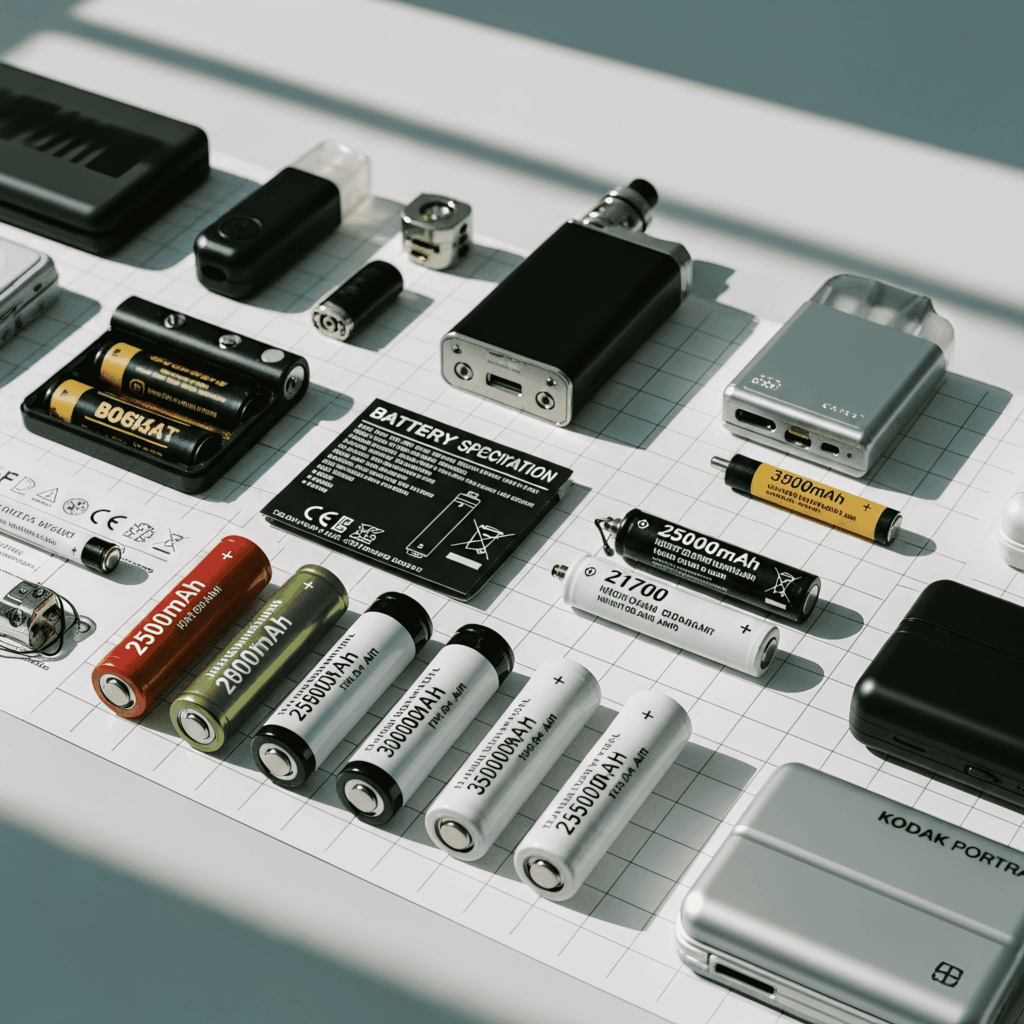
Where to Store Vape Batteries to Keep Them Safe Year-Round

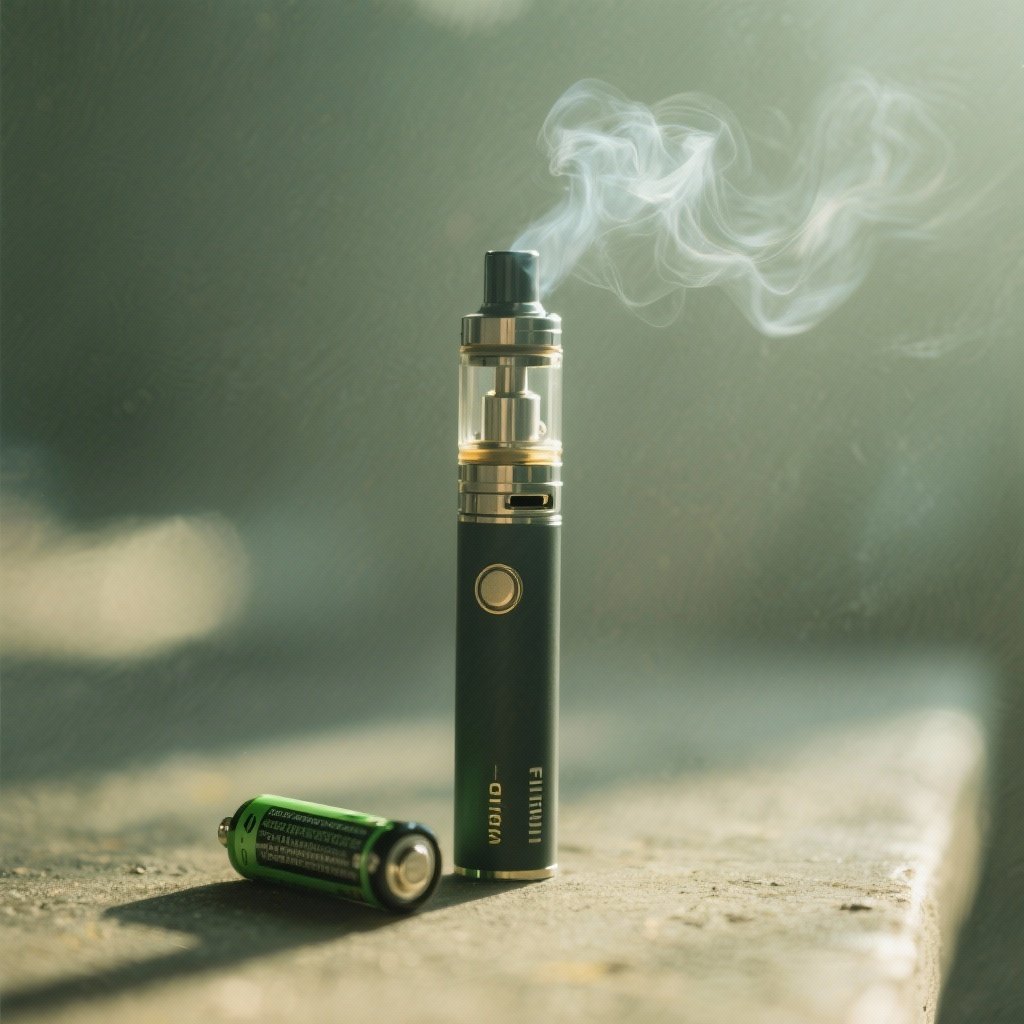
Let’s be honest: most vapers don’t think much about battery storage until something goes wrong. That moment when batteries end up loose in a drawer with keys and loose change? Or when they sit in a car during a scorching July afternoon in Mississauga, only to be discovered dangerously hot upon return? That sinking feeling of “that probably shouldn’t have happened” is all too familiar.
Battery storage affects safety, wallet, and daily vaping experience in ways most people don’t realise until problems emerge. After seven years of serving vapers across the GTA at Brampton and Mississauga locations, the team at Majestic Vapes has encountered every storage mistake imaginable: batteries kept in bathroom cabinets where humidity regularly hits 70-80%, cells stored in unheated garages through brutal Ontario winters when temperatures plummet to -20°C or lower.
Shop now in the #1 Online Vape Shop in Canada
We Ship Anywhere in Canada Including Quebec
The good news? Proper battery storage isn’t complicated or expensive. It requires understanding a few key principles, like maintaining temperatures between 15-25°C (59-77°F) and keeping lithium-ion cells protected from physical contact with metal objects, then adapting them to specific living situations and Canadian climate realities.
This comprehensive guide addresses battery storage specifically for GTA residents dealing with Ontario’s extreme climate conditions. Whether living in a Toronto apartment, Brampton house, or Mississauga student housing, the storage principles remain consistent while the implementation varies by living situation. From understanding which battery type requires what protection, to navigating seasonal temperature swings of 55°C+, to emergency response when things go wrong, every aspect of safe battery storage gets covered with practical, actionable strategies that work in real-world conditions.
The best storage system is the one that gets used consistently, every single time.
Disclaimer: Battery storage requirements, safety standards, and product specifications change frequently. All information is based on available 2025 data and should be verified with current sources before implementing storage practices. Pricing information reflects 2025 Greater Toronto Area market conditions and should be verified with local retailers. Individual results vary significantly.
Understanding Your Battery Type and Storage Needs
Not all vape batteries are created equal. Understanding specific battery situations helps make smarter storage decisions without overspending on unnecessary protection or under-protecting batteries that deserve better care.
External vs Internal Batteries: Key Differences
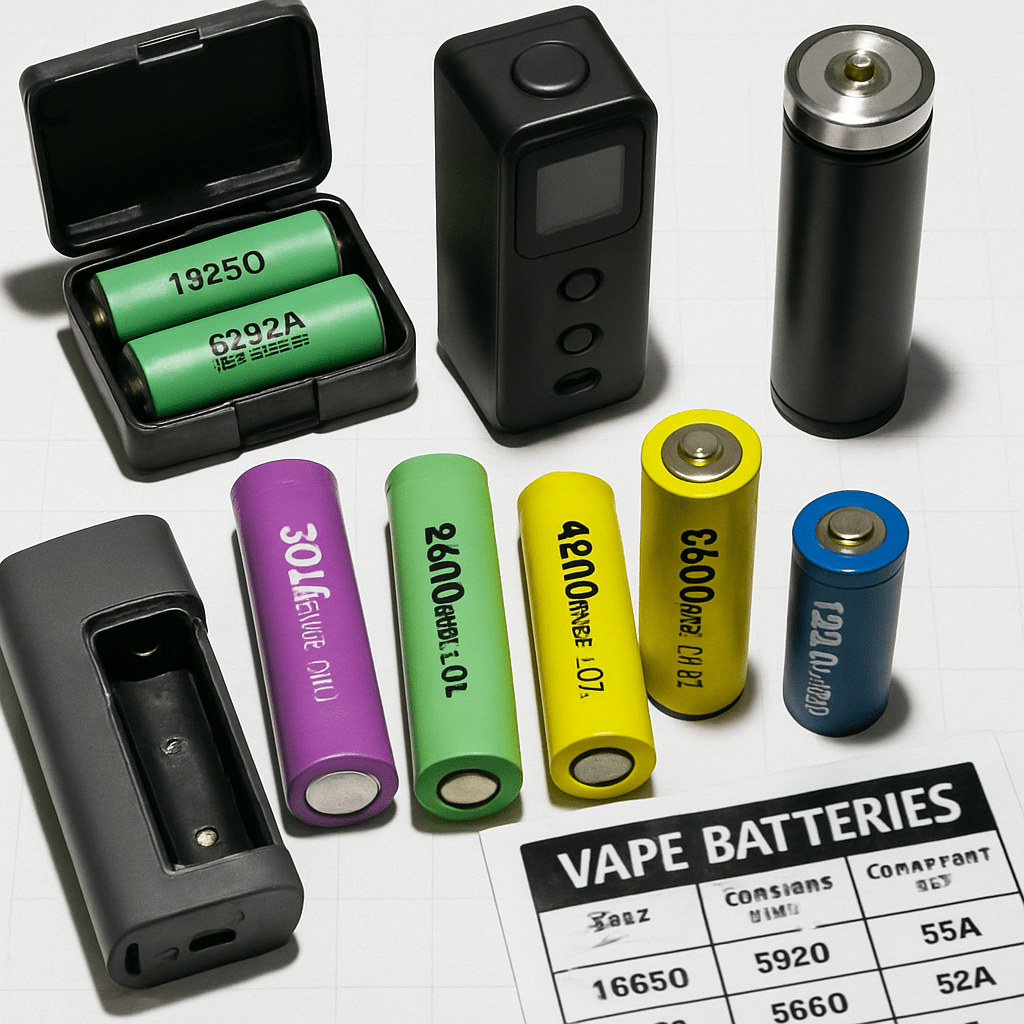
External batteries (18650s and 21700s, those removable cylindrical cells charged separately) require significantly more careful storage attention because handling happens directly. Swapping them between chargers and devices, potentially carrying spares in pockets or bags where they could contact metal objects, creates risks. External batteries need hard plastic cases, proper temperature management year-round, and regular inspection routines.
Internal battery devices(like STLTH pods or many pod mods) have batteries built into the device casing. Terminals never get exposed. Short circuit risk is essentially eliminated by design. Just avoid temperature extremes. Done. No fancy cases needed.
18650 and 21700 Batteries: Storage Essentials
The 18650 battery (18mm diameter, 65mm long) is the workhorse of the vaping world, used in most dual-battery mods from brands like Vaporesso and Voopoo. The 21700 format (21mm diameter, 70mm length) offers batteries with higher capacity for extended use (4000-5000mAh versus 2500-3500mAh for 18650s), making them increasingly popular among heavy vapers.
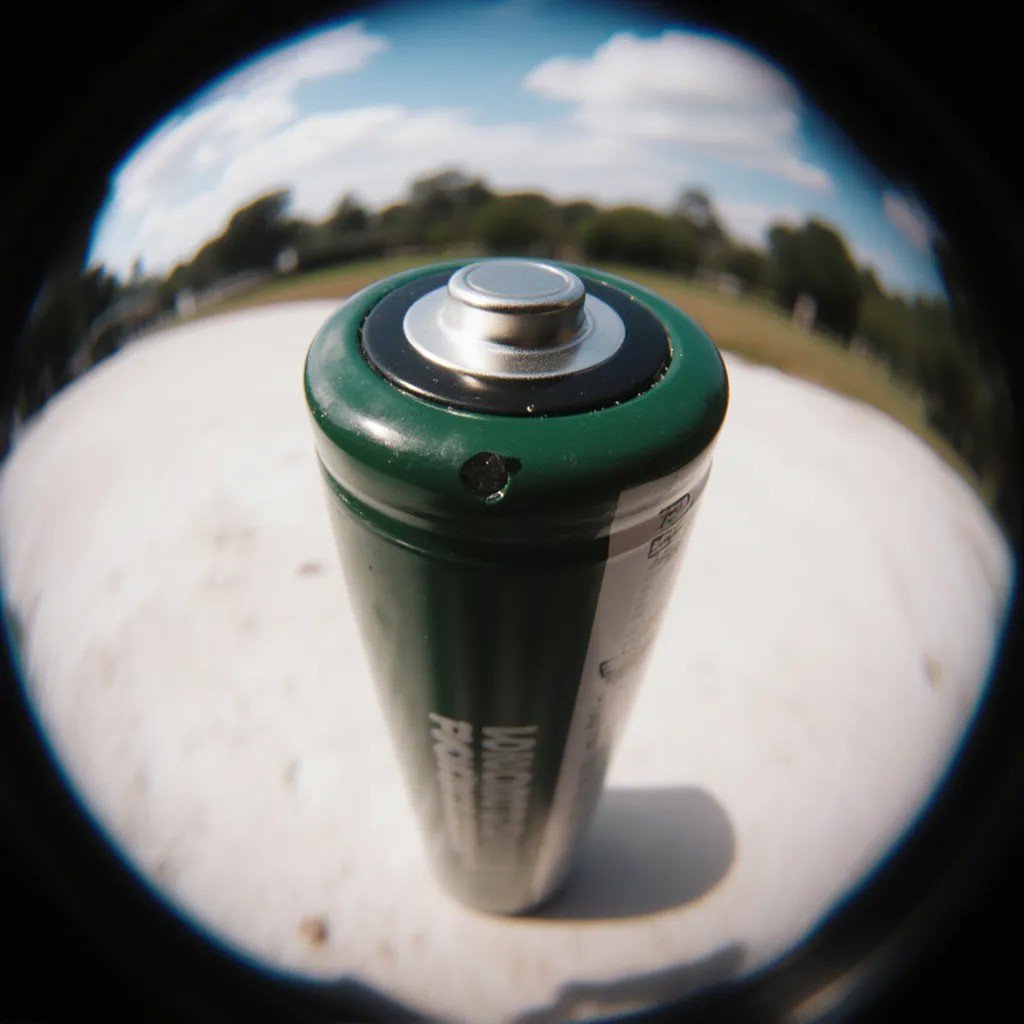
These batteries need individual protection because their exposed terminals create short circuit risks when they touch metal objects or each other. When selecting quality authentic batteries, expect to invest approximately $15-25 CAD per cell from reputable sources. The wrap (that colourful PVC sleeve covering the metal body) provides the only insulation between the negative body and conductive surfaces. Damage that wraps even slightly? Direct short circuit risk.
Storage requirements are non-negotiable: hard plastic cases with individual cell compartments, proper temperature management year-round, and a 40-60% charge for long-term storage beyond a few weeks.
Critical warning: NEVER carry loose batteries in pockets with keys or change. The short circuit happens fast (under 5 seconds), generates serious heat (150-200°C), and can cause venting. Customers have come in with melted pocket linings and damaged batteries from “just one time” carrying a battery loose. Always use cases. Every single time. No exceptions.
Choosing the Right Storage Containers
The container choice affects everything from daily convenience to long-term safety. Most vapers with 2-6 batteries need to spend only approximately $10-20 total on hard plastic cases (buying 2-3 cases for rotation), which provides perfectly adequate protection for daily use and home storage.
Pricing note: Examples reflect 2025 GTA market rates and should be verified with local retailers as prices and availability vary by location.
Hard Plastic Cases: Your Daily Carry Essential
The hard plastic battery case is the non-negotiable baseline for safe battery storage. These rigid cases, typically made from ABS plastic or polycarbonate, provide individual compartments for each battery with non-conductive dividers between cells.
Take nothing else from this entire guide. Take this: get hard plastic cases and use them religiously.
This protection costs just $5-10 CAD for quality 2-cell or 4-cell cases. The cases add maybe 30-40 grams to the bag or pocket weight and take up space roughly equivalent to a deck of cards. Brands like Efest, Nitecore, and Imren make reliable versions.
Common mistakes: Using cases with cracked dividers or broken latches. If the case is damaged, it’s not protecting effectively. Replace immediately; they’re inexpensive, not worth risking batteries plus potential safety issues.
Pro tip: Buy cases in 2-3 different colours to organise battery sets visually without needing labels. Red case for Set A, blue for Set B, clear for singles.
Additional Storage Options
Silicone sleeves ($2-4 CAD per sleeve) provide supplementary protection under hard cases, making sense for expensive high-drain cells or adding impact protection during frequent handling. They add thermal insulation, helping batteries acclimate when moving between cold outdoor air and warm indoor spaces during winter commutes.
Fireproof storage bags ($40-60) make sense for specific situations: storing large battery collections (8+ cells), travelling by air, where airlines sometimes require fireproof containment, or for anyone who has experienced battery problems and wants maximum safety. For most vapers with 2-6 batteries? Hard plastic cases handle most needs at a fraction of the cost.
Multi-battery organisers ($15-60 depending on capacity) work great for home storage when managing 6-12+ batteries across multiple mods. They enable visual inventory, facilitate rotation, and centralise inspection in one convenient location.
Finding the Perfect Storage Spot at Home
Homes have significantly better and worse spots depending on temperature stability, humidity levels, accessibility, and safety considerations. The bathroom takes the crown for worst storage location, humidity spikes to 80-95% during showers, corroding terminals and damaging wraps.
Living in the GTA means dealing with substantial seasonal temperature variations, indoor humidity swings (from 20-30% RH in winter to 60-70% in summer without AC), and different climate zones within the house itself.
Apartment Storage: Working with Limited Space
Apartments leverage excellent HVAC, maintaining consistent temperatures year-round. Claim a single dresser drawer or side table drawer exclusively for vaping supplies. This small footprint (15cm × 20cm) holds a 12-cell organiser or 3-4 individual battery cases without requiring significant space sacrifice.
Store in interior rooms away from windows for maximum temperature stability. The key principle: identify climate-controlled locations that maintain the ideal 15-25°C range year-round, away from humidity sources like bathrooms and kitchens.
Older buildings without central AC see summer temperatures climb to 26-30°C during heat waves. In this situation, store batteries in the coolest room (usually north-facing rooms or lower floors) and consider a small USB-powered fan near storage areas to improve air circulation.
House Storage: Multiple Options and Zones
Multi-story homes create distinct climate zones. Upper floors typically run warmer than basements. Main floors sit at ideal temperatures. Basements are cool but potentially humid. Main floor bedroom or home office storage typically provides ideal conditions (consistent temperatures, 40-60% humidity with proper HVAC).
Avoid garages (even heated), rooms above garages, mudrooms, or enclosed porches; these spaces track outdoor temperatures too closely. Having a dedicated “vape drawer” in a main-floor bedroom or office creates organisational benefits beyond just physical safety. Everything vaping-related lives in one known location.
Student Housing and Shared Spaces
Student housing requires portable, secure storage. Use compact battery cases or small organisers fitting in desk drawers, under beds, or closet shelves. Keep batteries in personal rooms under direct control rather than common areas.
Consider locking storage options for shared rooms. When multiple people share space, ensuring only one person handles specific batteries eliminates “borrowed without asking” situations that can lead to improper handling. Using space under the bed (raising the bed on risers creates 6-12 inches of storage height) accommodates battery organisers without claiming precious desk or closet space.
Storing Batteries Through Canadian Seasons
Ontario’s substantial seasonal temperature differentials between winter and summer directly affect battery storage decisions. Ontario residents manage swings from -20°C January nights to +35°C July afternoons.
Lithium-ion chemistry is highly temperature-sensitive, with degradation rates increasing substantially with every degree above recommended ranges. Prevention through proper seasonal storage is the only real defence; temperature damage affects internal chemistry that can’t be reversed.
Deep Winter Strategy (-15°C to -30°C)
When brutal January-February cold snaps hit, indoor storage becomes absolutely non-negotiable. No garages, no cars, no unheated spaces. Batteries should stay in climate-controlled spaces from November through March.
For commuters: Store battery cases in inner coat pockets during transit. Inner chest pocket maintains 10-15°C from body heat despite -15°C outdoor temperatures, preventing the dramatic cold damage from sustained exposure below 0°C.
Pre-warm car interiors before adding batteries (running heat for 5-10 minutes). Use insulated lunch bags for commuting with batteries. Time outdoor vaping carefully, bring batteries outside just when needed rather than keeping them in outdoor coat pockets all day.
Critical warning: Accidentally left batteries in a cold car overnight? Don’t immediately use them. Bring them to room temperature gradually over 30-60 minutes (not rapid warming on radiators or in warm water). Inspect carefully for damage. Batteries exposed to freezing temperatures for 8+ hours should be considered for retirement even if they seem fine.
Summer Heat and Humidity Management (25°C to 35°C)
Ontario summers bring heat (regularly hitting 30-35°C) and humidity (65-80% RH typical in homes without constant AC). The combination accelerates battery degradation through multiple mechanisms.
Use air conditioning to maintain ideal indoor temperatures. Avoid any vehicle storage; car interiors reach extreme temperatures in the summer sun. Control humidity through AC or supplemental dehumidifiers in problematic areas.
For vapers without AC: Find the coolest, driest spots available, north-facing rooms, lower floors in multi-story buildings, and interior rooms away from windows. Use hygrometers to measure storage area humidity, keeping it below 60% RH ideally, certainly below 70% maximum.
Schedule battery charging during cooler parts of the day (early morning, evening after 8 PM) rather than the afternoon. Charging generates internal heat that combines with ambient heat to create excessive total battery temps.
Shoulder Seasons (Spring and Fall)
Moderate temperatures (typically falling within ideal ranges) mean less active management. The challenge? Predicting and managing rapid changes, unexpected cold snaps in April or late-September heat waves.
Maintain awareness of weather forecasts. When Environment Canada predicts significant temperature changes (swings of 15°C+ over 24-48 hours), verify storage locations handle changes appropriately. Move batteries to the most temperature-stable rooms (typically interior rooms) if needed.
Spring and fall provide good opportunities for battery inventory checks. Before extreme seasons arrive, inspect all batteries carefully, test performance, and retire borderline batteries.
Vehicle and Travel Storage Solutions
Vehicle temperature extremes are even more extreme than home environments. Ontario’s climate makes vehicle storage risky almost year-round; avoid it whenever possible.
Research shows vehicle interiors heat up 20-30°C above outdoor temperatures within 30 minutes on sunny days, and cool down to within 5-10°C of outdoor temperatures within 60 minutes at night. For absolutely unavoidable vehicle storage lasting under 15 minutes in moderate weather, batteries in insulated bags in the coolest part of vehicles can work, but this should be a rare exception, not regular practice.
Daily Commuting Strategies
Establish a morning routine gathering fully charged batteries from storage, placing them in protective cases, and adding cases to bags. This becomes automatic after 2-3 weeks.
Winter: Store battery cases in inner coat pockets, maintaining safe temperatures from body heat.
Summer: Keep batteries in bags with other items rather than car cup holders or consoles, which heat up from sun exposure.
Critical mistakes: Leaving batteries in car consoles during work days (the single most common commuter mistake), carrying batteries in pockets with keys or change (short circuit risk), and using the same batteries without clear organisation.
Maintain a spare charged battery set in work desk drawers to eliminate emergencies that tempt using car-stored batteries.
Air Travel Requirements
Current airline regulations typically require spare lithium-ion batteries in carry-on luggage (verify current requirements with Transport Canada and airlines before travel). Each battery must be protected against short circuits. Airlines typically allow carrying multiple spare batteries within capacity limits.
Use the same hard plastic cases for air travel; agents recognise them as proper storage. Keep batteries accessible in carry-ons. A simple explanation, “vape batteries”, suffices during security.
Vape batteries (10-13Wh for 18650s, 15-19Wh for 21700s) are far below the typical 100Wh airline limits. Never pack batteries in checked luggage; penalties vary, and batteries may be confiscated.
Safe Storage Practices That Prevent Accidents
Battery safety incidents are statistically rare but serious when they occur. Proper storage practices substantially reduce risks.
Preventing Short Circuits in Storage
For anyone new to external batteries, grasping fundamental battery safety principles before handling these cells is essential. Short circuits happen when battery terminals contact conductive materials like metal, completing an electrical circuit outside the device. This causes rapid, uncontrolled discharge, generating heat reaching 150-200°C in seconds, hot enough to ignite nearby materials and cause serious burns.
When positive and negative terminals connect through metal (keys, coins, paperclips, other batteries’ terminals), current flows without the resistance devices providing. A fully charged 18650 shorting through a key ring can discharge at substantially higher currents than rated limits.
Proper case usage every time isn’t negotiable. “Every time” means literally every single instance without exception. Even for short trips from chargers to devices. Even when just setting batteries on counters briefly. Batteries should never be loose; they belong in protective cases from the moment they come off chargers until they go into devices.
This is the single most important safety practice. It’s also the easiest to implement, literally adding seconds to routines.
Develop a habitual “batteries in cases” routine that becomes as automatic as locking cars. Visual checks before pocketing or bagging batteries take 2 seconds and prevent many short circuit incidents.
Recognising and Responding to Battery Problems
Temperature warning signs: Batteries at room temperature (20-25°C) are normal. Slightly warm batteries (30-35°C) from recent charging are OK. But batteries feeling hot to the touch (40°C+) without an obvious cause need immediate attention.
Emergency response protocol: Place it immediately in a fireproof container or outside on concrete. Move away from other batteries with at least 1 meter separation. Let it cool naturally; don’t try to cool it artificially with water or freezing. Monitor for 30-60 minutes.
If the temperature returns to normal with no other signs of damage, inspect carefully before considering further use. But honestly, a battery that got mysteriously hot probably should be retired regardless. If it continues heating, swelling, or venting, call the local fire department’s non-emergency number (in GTA: Brampton 905-874-2111, Mississauga 905-615-3200) for guidance.
Wrap damage inspection: Check batteries weekly for any tears, nicks, or exposed metal on the PVC wrap. Even small damage (2-3mm tears) compromises insulation and creates short circuit risks. Re-wrapping costs approximately $2-5 per battery at vape shops, or damaged batteries should be retired immediately.
Performance degradation signs: Batteries lasting significantly less time per charge (30%+ reduction), getting unusually warm during normal use, or showing voltage drops under load are clear signs your battery needs replacing. Test with a multimeter if available, healthy 18650s should maintain 3.6-3.7V at rest when partially charged. Consistent readings below 3.5V suggest retirement time.
Conclusion: Your Battery Storage Action Plan
Battery storage requires attention to several interrelated factors working together to keep cells safe and performing optimally. Climate-controlled storage at 15-25°C protects against temperature-driven degradation that accelerates with every degree above ideal ranges. Proper containers eliminate most physical damage risks and prevent the short circuits that cause the majority of battery incidents. Storage locations balancing accessibility with environmental stability ensure batteries stay healthy through daily use and seasonal extremes. Regular inspections catch wrap damage, terminal corrosion, and performance degradation early, before they become dangerous. Seasonal awareness helps adapt to Ontario’s weather extremes, ranging from -20°C winter nights to +35°C summer afternoons.
The investment in proper storage is minimal, $10-20 for cases that handle most vapers’ needs. The payoff is substantial: batteries that last their full lifespan (300-500 charge cycles or 2-3 years), elimination of safety concerns from damaged cells or short circuits, and reliable performance supporting successful vaping experiences. This reliability matters especially for anyone using vaping to transition away from smoking, where equipment failures can trigger relapses.
What makes Majestic Vapes different is seven years of hands-on experience with GTA vapers, serving thousands of customers since 2018, and a genuine understanding of local challenges unique to Ontario’s climate. Staff live in the area, vape in the area, and deal with the same climate extremes customers do every day. Beyond climate knowledge specific to southern Ontario conditions, Majestic Vapes stocks the storage solutions recommended, battery cases, silicone sleeves, and organisers, bringing this guide from theory to practice immediately.
For personalised storage recommendations tailored to specific living situations, battery collections, and usage patterns, visit either location: 4 McLaughlin Rd S #9 in Brampton (phone 905-454-3244), open 10 AM to 9 PM daily, seven days per week, or 1900 Dundas St E Unit 3 in Mississauga (phone 905-276-5113), open 11 AM to 7 PM every day. Staff can show different options, explain trade-offs, and help select storage accessories fitting budgets and needs.
Shop now in the #1 Online Vape Shop in Canada
We Ship Anywhere in Canada Including Quebec
Same-day GTA delivery extends to battery storage accessories as well as batteries themselves. Order battery cases, organisers, or replacement batteries before 11 AM Monday through Friday, and delivery arrives the same day across the Greater Toronto Area, covering Ajax, Aurora, Brampton, Burlington, Markham, Milton (next-day delivery), Mississauga, Newmarket, North York, Oakville, Pickering, Richmond Hill, Scarborough, Toronto, Vaughan, and Whitby.
Proper battery storage directly supports vaping success by ensuring setups work reliably every single time, eliminating equipment failures as potential frustration points. The practices covered throughout this guide work because they address how lithium-ion batteries actually function at a chemical and electrical level. Start implementing these storage strategies today, your batteries, your wallet, and your peace of mind will thank you.
Final Disclaimer: This guide is for informational purposes only and should not be considered professional electrical or safety advice. Battery storage requirements, safety standards, and environmental conditions change frequently. Always consult current official sources and experienced vape retailers like Majestic Vapes for up-to-date information. Individual results, battery performance, and safety outcomes may vary significantly based on battery type, brand quality, age, storage conditions, and usage patterns. Pricing information reflects 2025 Greater Toronto Area market conditions; verify current pricing with local retailers.