How to Organize and Store Spare Vape Parts

Where did you put that spare coil pack you bought last month? If you’re like most vapers, you’ve stood in your vape shop wondering whether you already have the part you’re about to buy. The frustration of disorganised vape parts leads to duplicate purchases, expired supplies gathering dust, and time wasted searching through cluttered drawers.
Most vapers accumulate parts faster than they develop organisation systems. You start with a simple setup, then gradually acquire vape accessories including backup coils, different resistance options, spare tanks, various batteries, and building supplies. Before long, you’re dealing with dozens of small components scattered across multiple locations.
This guide offers a systematic approach to organising spare vape parts, saving money, reducing frustration, and integrating seamlessly into your daily vaping routine. You’ll learn how to assess your current inventory, choose appropriate storage solutions for your space and budget, and maintain organisation systems that actually work long-term.
Disclaimer: Storage recommendations and product specifications change frequently. All information reflects available 2025 data and should be verified with current safety standards and manufacturer guidelines.
Shop now in the #1 Online Vape Shop in Canada
We Ship Anywhere in Canada Including Quebec
Understanding Your Parts Inventory
Figure out what you actually have before you buy storage stuff.
Most people have way more vape parts than they think. Gather everything in one spot first. You’ll be surprised how much junk has accumulated.
Can’t organise what you don’t know you have. Start there, then worry about boxes and cases.
Conducting a Complete Parts Audit
Collect every vape-related thing from around your house. Not just the obvious spots. Check coat pockets, car, work bag, and nightstand. You’ll find stuff you forgot you had.
Sort everything into basic piles while you collect it. Coils, batteries, tanks, tools, juice, random parts. Don’t get fancy with organisation yet. Just get it all in one spot.
Check dates and condition while you’re at it. Batteries with torn wraps? Toss them safely. Coils stored in damp places? Probably garbage. Old juice that’s turned dark? Your call, but it won’t taste good.
Most people skip this step and wonder why their organisational system sucks. Can’t organise what you don’t know you have.
Categorising Parts by Type and Usage Frequency
Group your inventory based on how often you actually use items, not how often you think you should use them. Daily items need the most accessible storage, while emergency backups can be stored less conveniently.
Consumables like coils and e-liquids require a different organisation than durable items like tanks and tools. Consumables typically benefit from rotation systems that use the oldest items first, while durable items need organisation that prevents damage and makes selection easy.
Device-specific parts should be grouped separately from universal components. Consider seasonal usage patterns when categorising. Occasional-use parts don’t need the best spots in your storage setup. But you still need to find them when you actually need them.
Stick them somewhere out of the way, but labelled. There’s no point giving prime space to things you touch only once a month.
Identifying Storage Requirements by Component
Different parts have different environmental needs. Batteries perform best when stored at moderate temperatures with some charge remaining, while certain e-liquid ingredients can degrade under specific conditions.
Some items benefit from moisture control, while others need protection from light or temperature extremes. Metal components may require protection from humidity to prevent corrosion, especially in damp climates.
Safety stuff varies depending on what you’re storing.
Nicotine juice? Lock it up away from kids and pets. That stuff is toxic if they get into it.
Batteries need protection from getting smashed or overheated. Drop a battery wrong and it can vent. Store them somewhere they won’t get crushed or too hot.
Basic safety, but people mess it up all the time.
Essential Storage Solutions by Space and Budget
Storage solutions should match both your current needs and anticipated growth. Starting with systems that can expand saves money and prevents the need for complete reorganisation as your collection grows.
Starter Systems for Small Spaces
Desktop organisers designed for office supplies often work well for basic vape part storage. Small drawer units provide categorisation without taking up significant space, while desktop caddies keep frequently used items within easy reach.
Repurposed household items can provide cost-effective storage solutions. Pill organisers work well for small parts like O-rings and screws, while spice racks can hold small bottles and containers.
Wall-mounted stuff saves floor space. Magnetic strips hold metal tools and small parts. Small shelves keep supplies organised without covering your work area.
Cheap options? Basic plastic organisers or simple wooden storage. Nothing fancy needed.
Magnetic strips are actually pretty clever. Stick your tweezers, scissors, and small screws right on there. Easy to see, easy to grab.
Intermediate Systems for Growing Collections
Modular storage systems allow expansion as collections grow. Stackable drawer units and connecting storage boxes provide flexibility while maintaining organisation. These systems typically cost more initially but offer better long-term value for growing collections.
Dedicated workspace organisation becomes important as collections expand. Rolling carts can provide mobile storage that moves between different areas, while larger desk organisers accommodate increased inventory without overwhelming limited space.
Climate considerations become more important with larger collections. Basic humidity control and temperature-stable storage help protect investment in quality components and prevent premature degradation.
Advanced Storage for Serious Enthusiasts
Workshop-style organisation systems provide maximum capacity and functionality for extensive collections. Industrial storage solutions and professional tool storage systems offer durability and capacity that justify their typically higher costs.
Climate control becomes worthwhile for valuable collections. Controlled temperature and humidity storage protects investment in premium components and ensures optimal performance over time.
Security considerations may include locking storage for valuable items and a discreet organisation that doesn’t advertise collection value. Professional inventory management approaches can justify their complexity for extensive collections with high turnover of consumable components.
Rental and Temporary Living Solutions
Portable storage works way better when you can’t mount stuff to walls or might move next month.
Get systems that pack up easily and don’t need installation. Toolboxes, tackle boxes, plastic containers with good lids. Stuff that travels without falling apart.
Compact storage means cramming everything into small spaces. Not as convenient to grab things, but better than having vape gear scattered everywhere in a shared apartment.
Living with roommates? Keep your storage discreet. Nobody wants to see your giant vape collection taking over the common areas. Also protects your expensive gear from sticky-fingered visitors.
Storage needs depend on how much stuff you have and your living situation. What works for one person might suck for another.
Learned this the hard way, moving three times in two years. Fancy wall-mounted systems look great until you have to pack them up again.
Component-Specific Storage Best Practices
Different vape components need different storage. Batteries, coils, juice – they all have their own rules for staying good and staying safe.
Some stuff goes bad fast if you store it wrong. Other stuff can be dangerous if you’re careless with it. Figure out what needs what before you just throw everything in a box.
Battery and Power Component Storage
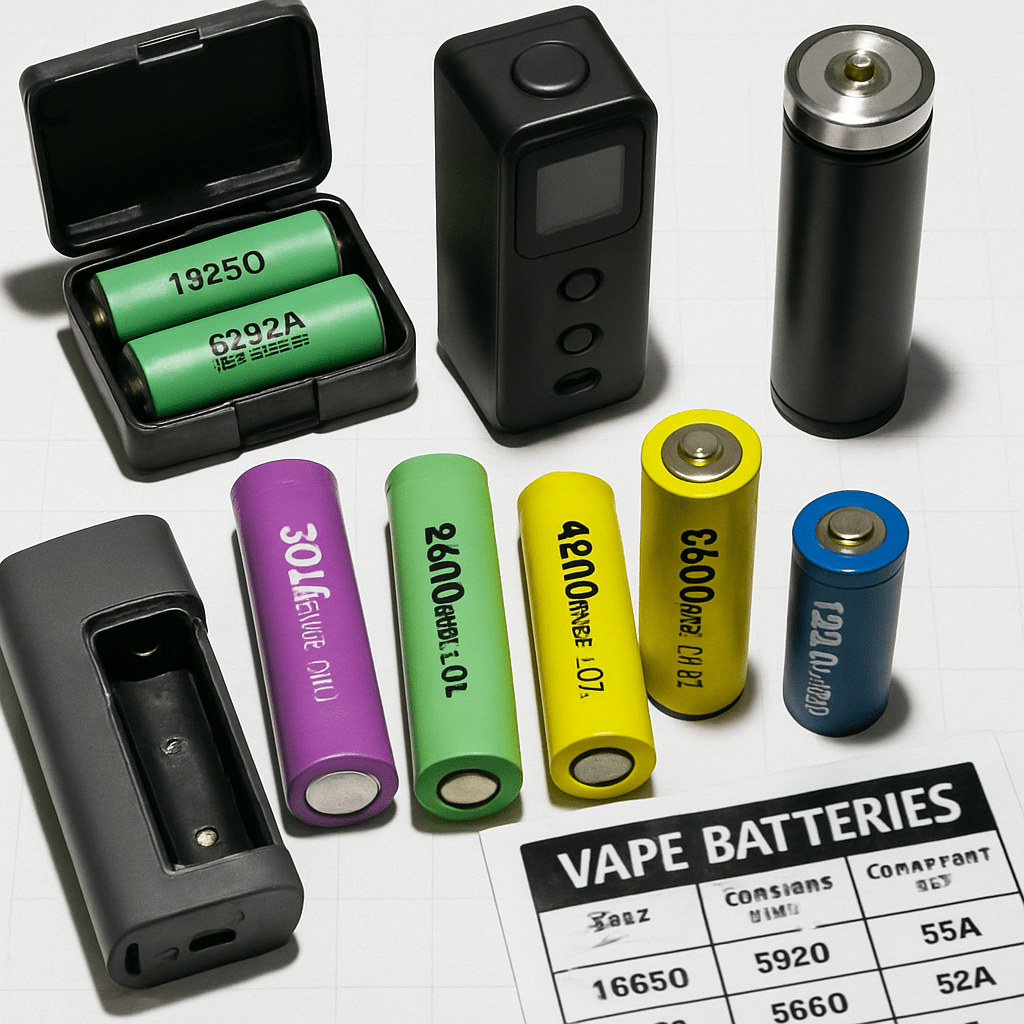
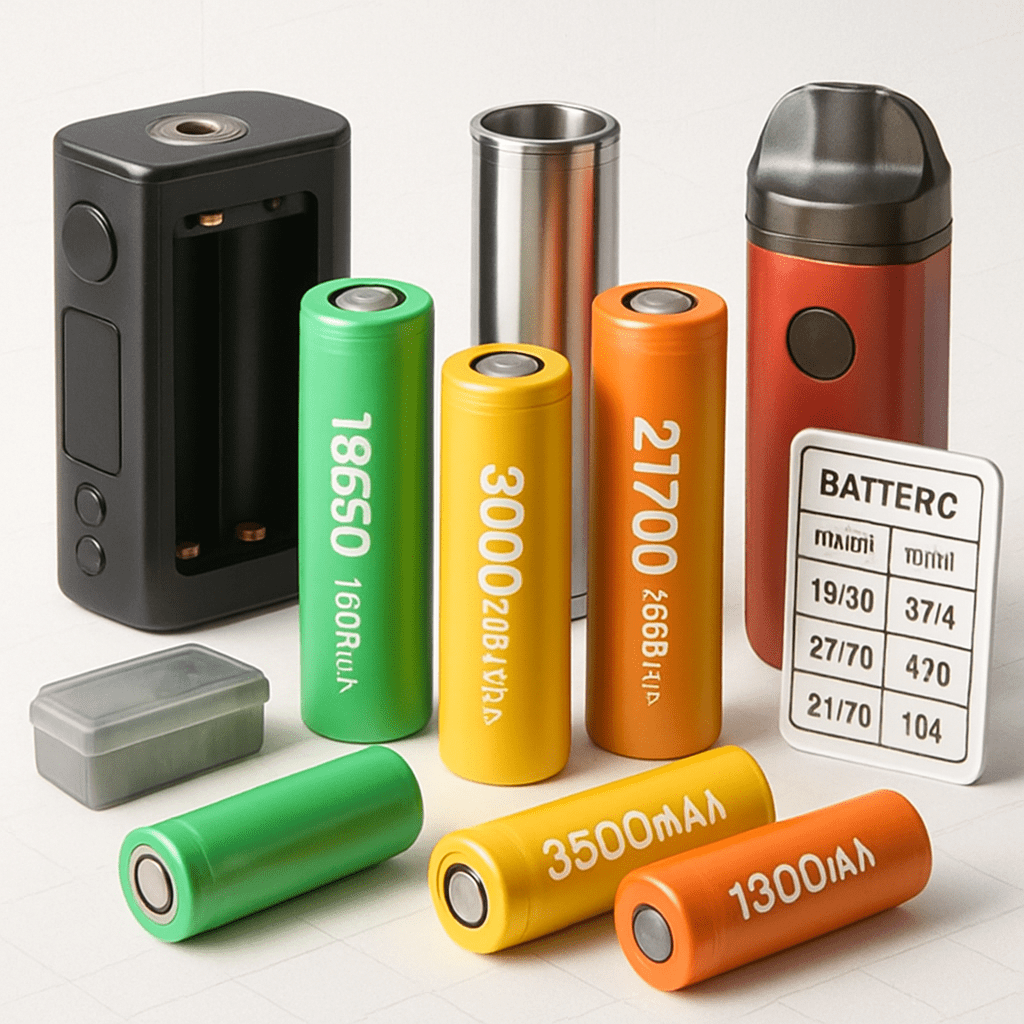
Lithium-ion batteries hate extreme temps. Store them somewhere normal – not hot, not freezing.
Keep some charge in them. Not full, not empty. Maybe 50-70%. Dead batteries sometimes won’t take a charge again. Pain in the ass to deal with.
Hot storage kills battery life fast. Cold storage isn’t great either. Room temperature works fine.
Don’t leave batteries sitting in your car during summer or winter. Learned that lesson when three batteries died in my hot car last August.
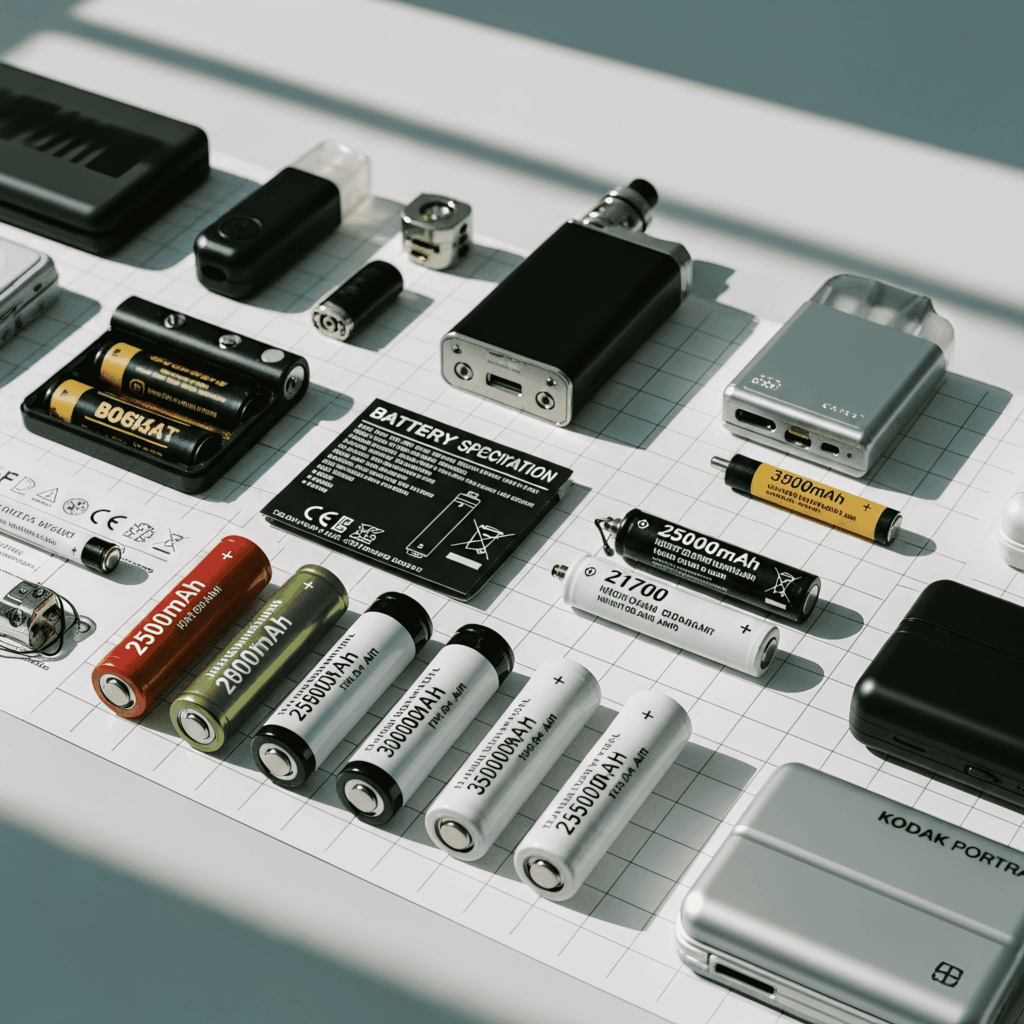
Organisational systems should prevent physical damage to battery wraps and terminals. Individual battery cases or foam-lined storage compartments protect batteries from impacts that could compromise safety.
Charging cycle tracking helps optimise battery performance and identify batteries approaching replacement time. Simple labelling systems can track purchase dates without requiring complex record-keeping.
Coil and Atomiser Organisation
Coil freshness affects performance more than many vapers realise. Proper storage maintains packaging integrity and prevents contamination that can affect flavour and performance.
Resistance and type categorisation systems help identify appropriate coils quickly. Colour-coding, clear labelling, or transparent storage containers prevent confusion between different specifications.
Cross-contamination ruins flavour when you switch between totally different profiles. Strawberry coil with tobacco juice? Gross combo. Organizing add-ons for boosting flavour separately also prevents mixing incompatible accessories.
Keep dedicated coils for different flavour families. Fruit coils, dessert coils, tobacco coils. Prevents nasty flavour mixing, and everything tastes way better.
Pain to manage multiple coils? Yeah. But better than ruining a good juice with leftover flavours from something completely different.
E-liquid and Consumable Supplies
Light kills e-liquid flavour. Store bottles in dark containers or keep them somewhere without direct sunlight.
Clear glass bottles sitting in sunny windows? Recipe for nasty-tasting juice. Learned that one the expensive way with a $30 bottle of premium juice.
Temperature swings mess with juice consistency. Hot storage separates ingredients. Cold storage makes everything thick and weird. Room temperature works fine.
Group similar flavours together. Keeps fruit flavours from contaminating your dessert flavours. Also helps you see what you have, so you don’t buy duplicates.
Tools and Building Supplies
Wire storage? Keep it dry and clean. Small containers with labels work fine. Can’t tell 24 gauge from 26 gauge when everything looks the same.
Cotton and wicking materials need to stay clean. Contaminated cotton tastes nasty and can make you sick. Keep it sealed but easy to grab when you need it.
Tool organisation prevents you from losing expensive stuff. Ceramic tweezers cost $15 and disappear if you’re not careful. Small toolbox or a magnetic strip keeps everything in one spot.
Safety equipment refers to first aid supplies for when you accidentally injure yourself while building coils. Burn gel, bandages, basic supplies. Store it where you can grab it fast, not buried under other gear.
Safety requirements vary by what you’re storing. Follow manufacturer guidelines, not random internet advice.
Building coils means dealing with hot metal and sharp tools. Plan accordingly. Don’t be the person who needs stitches because they couldn’t find bandages after cutting themselves with flush cutters.
Inventory Tracking and Management Systems
Organisation comes down to three things: know what you have, know where it is, know when you’re running low.
Tracking systems? Depends on how crazy your collection gets. A simple visual setup works fine for most people. Digital inventory management? Only if you have hundreds of items and way too much time.
Most people overcomplicate this. See it, grab it, use it. That’s about as sophisticated as it needs to get unless you’re running a vape shop.
Traditional Tracking Methods
Physical labelling provides immediate visual identification without requiring technology. Colour-coding systems, written labels, and standardised container marking help identify contents quickly and prevent confusion between similar items.
Visual organisation relies on transparent containers and consistent placement to provide immediate visibility of inventory. This approach works best for smaller collections where everything can be seen at a glance.
Purchase receipts and warranty organisation become important for expensive items that may need service or replacement.
Digital Organisation Tools
Smartphone apps designed for inventory tracking can offer sophisticated features, including barcode scanning, photo documentation, and automated reorder alerts. Many general inventory apps work well for vape parts, with minor customisation required.
Spreadsheet templates offer flexibility and customisation without requiring specialised software. Simple templates work for basic stuff. Complex versions can track costs and usage if you’re into that level of detail.
Purchase history shows you where your money goes. Which shops do you buy from most? Whether prices are going up or down. Helps you make smarter buying decisions instead of just grabbing whatever’s convenient.
Most people don’t need detailed tracking unless they’re spending crazy money on vape gear. But if you are? Worth knowing where it’s all going.
Preventing Duplicate Purchases
Shopping list integration with inventory tracking helps prevent duplicate purchases by providing the current inventory status during shopping trips. Simple systems can prevent costly mistakes and reduce unnecessary purchases.
Quick reference systems for active shopping include mobile-friendly inventory summaries and simple checklists that work without detailed database access.
Technology Disclaimer: App availability and features change frequently. Verify current app capabilities before relying on specific software solutions.
Integration with Daily Vaping Routines
The most organised storage system fails if it doesn’t integrate smoothly with daily vaping activities. A successful organisation supports and improves daily routines rather than creating additional complexity.
Daily Access Organisation
Workstation setup for frequent maintenance should include easy access to commonly used tools and supplies. Quick-access systems for daily supplies include desktop organisers for items used multiple times a day.
Charging station integration with storage provides convenient battery management without disrupting overall organisation. Portable kits for travel and work should integrate with home storage systems rather than creating separate inventory.
Maintenance Schedule Integration
Linking storage to cleaning and maintenance routines helps maintain both equipment and organisational systems simultaneously. Reminder systems for component replacement help prevent equipment problems while keeping inventory levels.
Seasonal maintenance and organisation reviews help adapt storage systems to changing needs and identify items that are no longer needed. Long-term storage for rarely used items should remain integrated with the main systems to prevent loss.
Workflow Optimisation
Restocking without messing up your whole organisation takes planning. Set up your layout so you’re not hunting for stuff during busy periods.
Keep emergency backup gear where you can grab it fast. Dead coil at 9 pm? You need a replacement right now, not after digging through three boxes.
Time-saving layout means putting the stuff you use most in the easiest spots to reach. Don’t bury daily-use items behind seasonal things.
Your workflow will vary depending on how much you vape and how frequently you rebuild.
Most people organise once and never adjust it. Your needs change as your vaping habits change. Adjust your system, or it stops working.
Safety and Security Considerations
Proper organisation means keeping dangerous stuff away from kids and pets. Also, securing expensive gear so it doesn’t walk away.
A bigger collection means more safety concerns. Nicotine juice, batteries that can vent, and sharp building tools. Plus, more valuable gear that thieves might want.
Small collection? Basic safety. Big collection? You need a real plan for keeping household members safe and your stuff secure.
Childproofing and Pet Safety
Lock up nicotine juice. Period. Kids and pets can get seriously hurt if they get into this stuff.
Locking containers, high shelves, childproof latches – whatever it takes. Don’t mess around with this. Nicotine poisoning is real and dangerous.
Get rid of expired components properly. Don’t just toss old batteries in regular trash. They need special disposal. Same with old juice that’s gone bad.
Local vape shops usually take expired stuff for proper disposal. Some cities have hazardous waste collection days. Figure out what’s available in your area before you have a pile of dangerous junk sitting around.
This isn’t paranoia. It’s basic safety when you have toxic materials in your house.
Fire Safety and Environmental Protection
Keep heat sources away from your vape storage. Charging stations, space heaters, and direct sunlight through windows. Heat kills batteries and can start fires.
Don’t store incompatible chemicals together. Some cleaning solutions react badly with certain materials. Basic chemistry safety principles also apply to vaping gear.
Water ruins everything. Flooding, pipe leaks, and humidity damage. Store valuable stuff off the floor and away from potential water sources.
Document your collection for insurance. Take photos, keep receipts. When disaster strikes, you’ll need proof of what you own. Insurance companies don’t take your word for it.
Found this out when a friend’s basement flooded. Lost hundreds of dollars in gear with no way to prove what he owned. Insurance paid him maybe 20% of the actual value.
Basic fire and water protection saves you from expensive lessons later.
Theft Prevention and Privacy
Valuable gear needs protection without being a pain to access when you need it. Lock up expensive mods, but don’t make it so secure that you won’t bother using them.
Travel security matters if you take organised storage on trips. Portable cases with locks, hotel room safes for expensive gear. Thieves target vape gear more than people realise.
Shared living spaces? Keep your collection discreet. Roommates don’t need to see your entire setup, and visitors might have sticky fingers. Basic privacy protects you from drama and theft.
Had a roommate who kept “borrowing” my backup batteries. Learned to keep valuable stuff locked up after losing a $60 mod to someone’s friend at a party.
Simple locks and out-of-sight storage prevent most problems. Don’t make it obvious what you have or where you keep it.
For comprehensive organisation system design tailored to specific collections and living situations, Majestic Vapes offers personalised consultation services based on extensive experience with vapers at every level of involvement.
Security needs vary by location and living situation. Consult local safety professionals for specific security recommendations.
Troubleshooting Common Organisation Problems
Even well-designed organisational systems can break down over time or fail to adapt to changing needs. Understanding common problems and their solutions helps maintain an effective organisation long-term.
Dealing with Organisation Overwhelm
Complete reorganisation becomes necessary when existing systems no longer meet current needs. Managing collections that have outgrown their systems requires an honest assessment of current needs versus available space and resources.
Downsizing and decluttering approaches help focus collections on items that provide real value while eliminating accumulation that complicates organisation. Simple systems that integrate with existing habits are more effective than complex approaches that require significant behavioural change.
System Failures and Recovery
Organisational systems break down when they no longer match actual usage patterns or when life changes affect storage needs. Adapting systems to the evolving needs requires flexibility and willingness to modify successful approaches when circumstances change.
Technology failure backup plans help maintain an organisation when digital systems fail. Moving and relocation considerations help maintain organisation during transitions.
Building Your Sustainable Organisation System
Effective vape parts organisation requires matching storage solutions to your actual needs, space constraints, and daily routines. The best systems grow and adapt with your collection while remaining simple enough to maintain long-term.
Start with a complete inventory assessment to understand what you’re organising and how you actually use different items. Choose storage solutions that match your space and budget while providing room for reasonable growth.
Implement component-specific storage practices that protect your investment and maintain component quality. Establish inventory tracking systems that provide the information you need without creating excessive maintenance burden.
The key insight most vapers miss is that organisations should make vaping more enjoyable, not create additional work. Systems that integrate seamlessly with your daily routines provide long-term satisfaction and value.
For expert guidance on building organisation systems that work perfectly with your specific collection and space constraints, our vaping accessories store in Brampton provides personalised consultation based on extensive experience helping vapers create sustainable storage solutions.
This analysis provides general organisation guidance and should not be considered professional storage or safety advice. Product storage requirements, safety standards, and space constraints vary significantly. Always consult current manufacturer guidelines and relevant safety professionals for specific storage requirements.