Essential Vape Accessories for Every Vaping Experience in 2025
Disclaimer: Product availability, pricing, and regulations change frequently. All information is based on available 2025 data and should be verified with current sources before making purchasing decisions.
You’re standing in a vape shop or browsing online, overwhelmed by hundreds of accessories promising to improve your vaping experience. Which ones actually matter? Which are just expensive additions you’ll never use?
Most vape accessory guides throw everything at you without explaining what you actually need for your situation. This guide solves that problem by organising accessories based on your experience level and actual needs, not marketing hype.
You’ll discover which vape accessories provide real value, how to avoid common buying mistakes, and how to build an accessory collection that grows with your vaping journey without wasting money on unnecessary items.
Shop now in the #1 Online Vape Shop in Canada
We Ship Anywhere in Canada Including Quebec
Essential Vape Accessories by User Type
Understanding your vaping experience level helps you prioritise accessories that provide immediate value rather than accumulating items you don’t need yet.
Beginner Must-Have Accessories
New vapers often make the mistake of buying too much too quickly. Start with these fundamentals that solve the immediate problems you’ll encounter.
Replacement coils top the priority list. Your device won’t function without them, and coils typically need replacement every week or two, depending on usage patterns. Stock up on coils compatible with your specific device model, as compatibility varies significantly between brands.
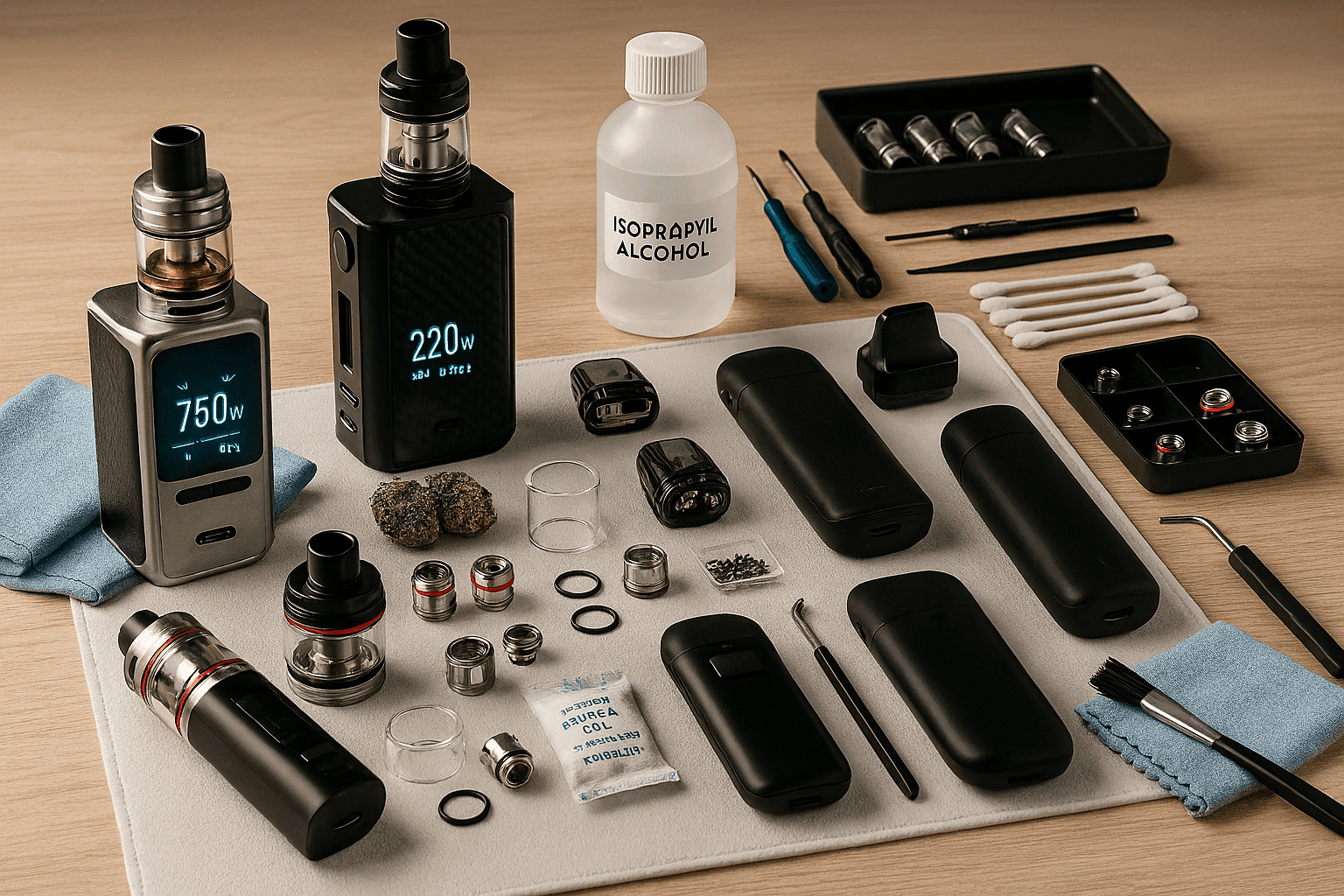
Basic cleaning supplies prevent common beginner problems. Cotton swabs, isopropyl alcohol, and microfiber cloths help maintain your device and avoid flavour contamination. Many beginners struggle with lingering flavours from previous e-liquids, making these simple tools valuable.
Spare charging cables eliminate the frustration of a dead device when you need it most. Most modern devices use USB-C or micro-USB connections, but keeping a backup prevents interruptions to your vaping routine.
A simple carrying case protects your investment and keeps everything organised. Basic cases typically cost much less than replacing damaged devices and help you develop good storage habits early.
Intermediate User Upgrades
Once you’ve established consistent vaping habits, these accessories address comfort and convenience improvements that beginners don’t typically need yet.
Multiple tanks or pods let you switch between flavours without waiting for cleaning or dealing with flavour mixing. This upgrade significantly improves the daily vaping experience for users who enjoy variety.
Battery management tools become important as you use your device more frequently. External battery chargers, battery cases, and spare batteries help maintain consistent power availability and extend overall battery lifespan.
Professional cleaning kits replace basic supplies with specialised tools designed for thorough maintenance. Ultrasonic cleaners, special brushes, and cleaning solutions provide deeper cleaning for regular vapers.
Advanced User Professional Tools
Experienced vapers often want maximum control over their experience, which can make tools that beginners find overwhelming and unnecessary.
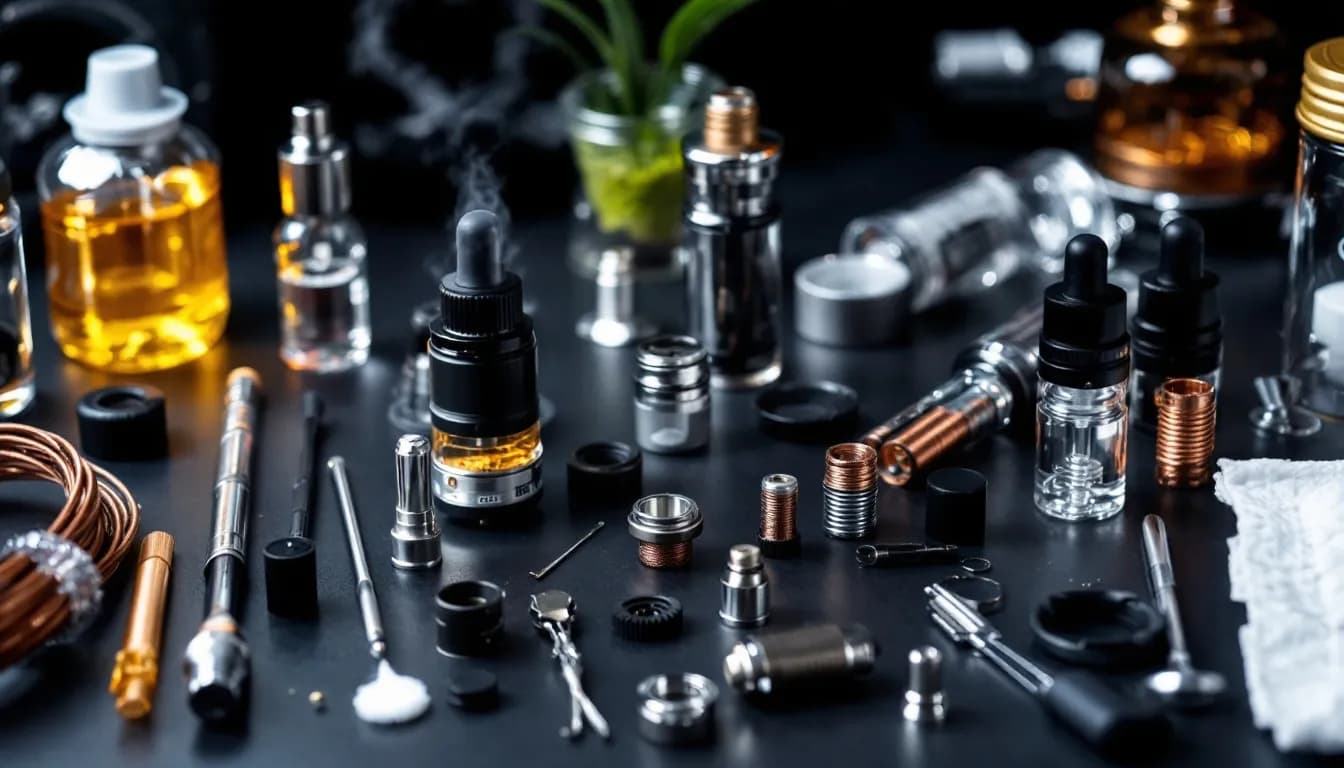
Rebuildable atomiser equipment includes coil-building supplies, resistance meters, and specialised tools for users who want to construct their own coils. This category requires substantial knowledge and safety awareness.
Precision measurement tools help advanced users fine-tune their setups. Ohm meters, multimeters, and testing gear enable troubleshooting and optimisation.
Core Accessory Categories and Selection Guide
Know what accessories do before you buy them. This saves you money and disappointment.
Coils and Atomisers – The Heart of Performance
Coils directly affect flavour quality, vapour production, and device performance, making them the most important accessory category for most users.
Coil materials each offer different characteristics:
- Kanthal: Provides durability and consistent performance for standard vaping applications
- Stainless steel: Works with both wattage and temperature control modes, offering versatility for users with compatible devices
- Nickel and titanium: Serve specialised temperature control applications, but require specific device compatibility and safety knowledge
Resistance levels change everything. Low resistance coils produce larger clouds but drain batteries faster and require higher wattage. High resistance coils feel more like smoking and work with basic devices.
Mesh coils heat more evenly than regular wire coils, typically providing better flavour and longer lifespan.
Batteries and Power Management
Reliable power management prevents interruptions and safety issues that can significantly impact your vaping experience.
Built-in battery devices typically use USB charging systems and don’t require separate battery management. These systems offer convenience but limit options for extended use away from charging sources.
Removable battery systems offer flexibility with 18650, 20700, and 21700 batteries, providing different sizes and power outputs.
External chargers work better than charging through your device and are generally safer. Quality chargers stop when the battery is full.
Portable chargers are essential for vapers on the go. A dead vape is useless. These are your guardian angels, ensuring your vape is juiced and ready when you need it.
Buy decent batteries from reputable shops. Cheap batteries from sketchy sites can be dangerous. Follow basic safety protocols to avoid problems.
Tanks, Pods, and Delivery Systems
Sub-ohm tanks are designed for high-powered devices and produce large clouds. You’ll refill them frequently, and your battery will drain faster.
Pod systems are convenient, grab-and-go solutions with minimal customisation. Replacement pods cost more than separate coils, but the convenience is worth it for many users.
Rebuildable systems let you build your own coils and customise everything. They take time to learn and require safety knowledge, but save money over time for dedicated users.
Maintenance and Cleaning Equipment
Keep your gear clean to extend its lifespan.
Basic cleaning supplies work for most people: rubbing alcohol, cotton swabs, and a soft cloth.
Ultrasonic cleaners remove gunk you can’t scrub off manually, and it’s worth it if you switch flavours constantly.
Special brushes and tools reach tight spots in tanks and complex devices.
Following proper maintenance protocols for each accessory type ensures optimal performance and helps you avoid costly replacements.
Accessories to Never Lose Your Vape Again
Ever felt the heart-dropping panic of losing your vape? These accessories keep your device within arm’s reach.
Vape Lanyards
The necktie of the vaping world, a vape lanyard, is a vaper’s best friend. Functional fashion that says you’re serious about vaping while still being practical. Perfect for those who frequently misplace their devices.
Protective Cases and Holders
These are superhero-themed vape suits. Whether you’re clumsy or super protective, a case shields your vape from life’s bumps. They come in designs ranging from understated to eye-catching.
Car Mounts
If your car is your second home, a car mount for your vape is essential. It’s like having a special throne for your vape, keeping it handy and safe while you navigate traffic. No more frantic searches at red lights.
Vape Skins and Wraps
Why have a plain vape when you can dress it up? Skins and wraps are haute couture for your device, from psychedelic patterns to your favourite designs. Good wraps also protect your device when dropped and improve grip.
Perfect Gift Ideas for Vape Lovers
Looking for the perfect gift for a vape enthusiast? These accessories make thoughtful presents for any experience level.
Stylish Storage Solutions
Keep vape pens safe and organised with stylish storage cases. Say goodbye to frantically searching for misplaced devices; a sleek storage case keeps everything within arm’s reach. Whether they prefer a minimalist design or something flashy, there’s a perfect vape pen storage solution for them.
High-End Mods
High-end mods elevate the vaping experience with custom designs and advanced features. The sleek exterior impresses while offering exceptional functionality. With improved battery life, robust power output, and advanced customisation options, high-end mods take vaping to new heights.
Replacement Atomisers
Replacement atomisers are essential gifts that keep vape pens running at peak performance. These small but crucial parts heat the e-liquid and turn it into vapour. Over time, they wear out, affecting taste and intensity. Gifting replacement atomisers shows you understand their passion.
E-Juice Collections
Stock up on their favourite e-juices so they have plenty of variety. From fruity flavours to dessert-inspired blends, there are endless options. E-juices come in various nicotine strengths for both beginners and experienced vapers.
Quality Chargers
A portable charger saves the day when batteries run low. It’s the perfect gift for those who are always on the go and need a quick charge between stops.
Professional Cleaning Kits
A vape cleaning kit with specialised tools makes maintenance easier and more efficient. Usually including a brush, cotton swabs, and alcohol wipes, these kits are an inexpensive and thoughtful gift that keeps on giving.
Safety and Compliance Considerations
Know basic safety protocols to avoid problems. Cheap accessories can break and cause trouble.
Battery Safety Protocols
Battery mishandling creates the most serious safety risks in vaping, making proper protocols essential for all users regardless of experience level.
Proper storage prevents short circuits and extends battery lifespan. Use dedicated battery cases for transport and avoid storing batteries loose where metal objects might cause shorts.
Charging safety means using the right charger and being careful. Don’t charge overnight, in hot cars, or leave batteries on chargers for hours.
Inspect your batteries before use. Look for torn wraps, dents, and unusual marks. Damaged batteries should be properly disposed of; don’t try to fix them yourself.
Quality and Authentication
Fake accessories can break, taste awful, and sometimes be dangerous.
Buy from reputable shops that stand behind what they sell. Good reputation and proper warranties matter. Skip random online sellers with suspiciously low prices.
Verify authenticity by checking packaging, serial numbers, and authentication codes. Counterfeit products often have typos, missing codes, and sketchy packaging.
Cost-Benefit Analysis and Budget Management
Don’t spend money on accessories you don’t need. Buy smart.
Accessory Investment Priorities
Essential maintenance supplies should receive priority because they prevent device failure and maintain consistent performance. Replacement coils, basic cleaning supplies, and charging equipment fall into this category.
Safety equipment provides value far beyond its cost by preventing serious problems. Battery cases, quality chargers, and basic safety supplies represent important investments regardless of budget.
Convenience accessories improve daily experience but aren’t strictly necessary. Carrying cases, spare tanks, and organisation tools can wait until essential needs are met.
Money-Saving Strategies
Bulk purchasing may provide savings on consumables like coils and cleaning supplies you use regularly.
Seasonal sales hit the same time every year, major holidays and end-of-year clearance are good times to stock up.
Generic products work fine for many accessories at a lower cost than name brands. Check reviews first to ensure device compatibility.
Compatibility and Selection Guidelines
Buy the wrong accessories, and you waste money. Check compatibility first.
Device Compatibility Factors
Threading standards vary by manufacturer and device type. Most modern devices use 510 threading for tanks, but older devices may use different standards.
Electrical specifications get tricky with rebuildable accessories. Your device has limits on resistance and power; exceeding them can cause problems.
Size matters for tanks and cases. Measure your device or check specifications before purchasing.
Brand Loyalty vs Generic
Brand-specific accessories always fit better, though you pay extra for that convenience.
Universal compatibility opens more options and potentially lower costs, but requires more research to ensure proper function.
Standard connections like 510 threading don’t change much, so accessories using standard connections last for years. Brand-specific designs may disappear when companies move to new products.
Advanced Customisation
Advanced accessories provide greater control and customisation for experienced users who understand the additional complexity and safety requirements.
Rebuildable Atomiser Accessories
Basic building tools include ceramic tweezers, flush cutters, coil jigs, and resistance meters, essential for building coils safely.
Wire choice matters because different metals heat differently. Your device needs to handle what you’re building.
Safety knowledge is serious when building coils. Learn Ohm’s law and know your battery limits.
Drip Tips and Mouthpieces
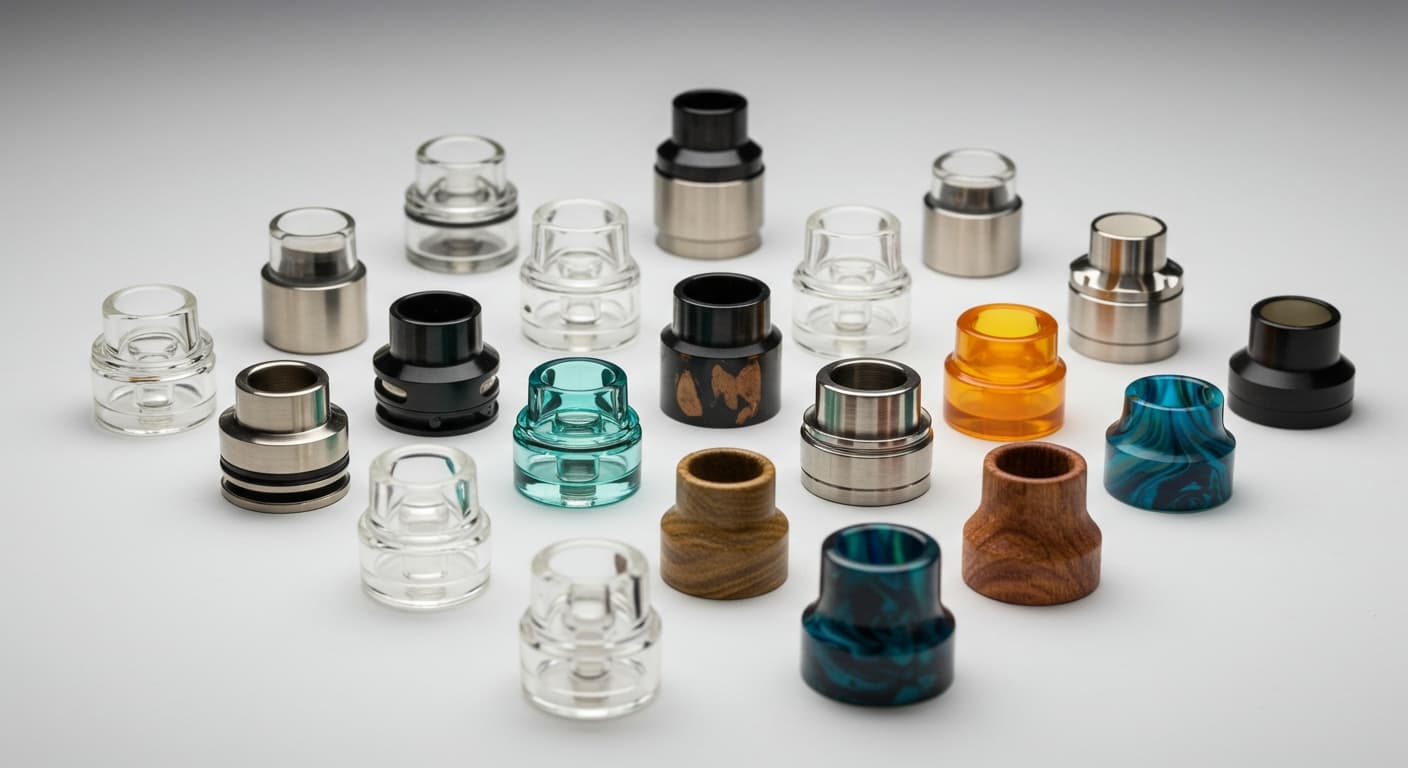
Drip-tip variety offers different materials, shapes, and sizes to customise comfort and appearance. Understanding the differences between drip tips and standard mouthpieces helps you choose the right option for your vaping style.
Trade out the standard tip for one that matches your lip preference: wide for more cloud, or narrow for intense flavour. It’s a small change with a big impact.
Storage, Organisation, and Travel Solutions
Proper storage and organisation prevent damage, maintain hygiene, and improve convenience for daily vaping routines.
Home Storage and Organisation
Avoid stupid storage places. Hot garages and steamy bathrooms are bad ideas. Room temperature and dry spots are ideal. Sunlight kills batteries and makes plastic brittle.
Safety storage keeps batteries and juice out of reach of kids and pets. Some locations require locked storage.
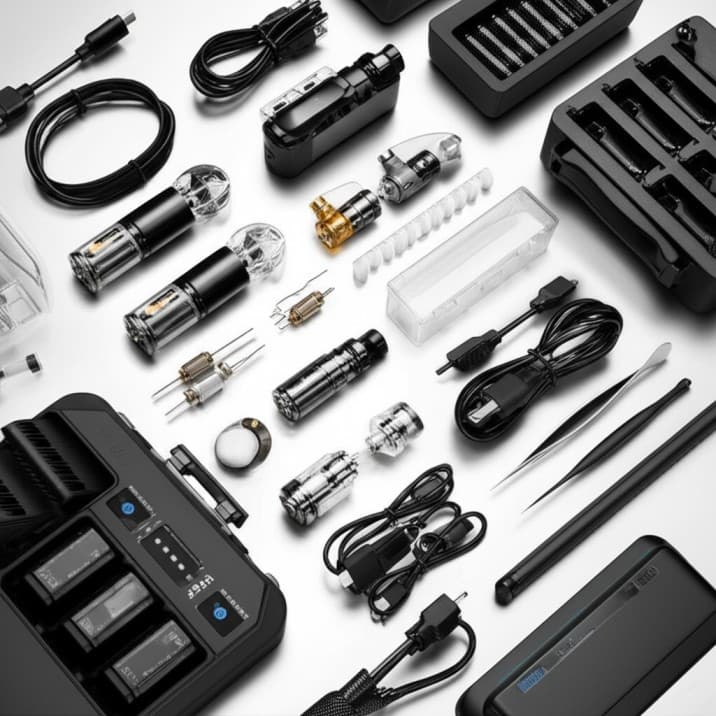
Stay organised or waste time hunting for supplies. Developing an effective system for organising spare vape parts saves time and prevents running out of essential components.
Travel and Portable Solutions
Travelling with vape gear requires careful planning. Beyond basic protection, there are specific travel accessories that make journeys easier.
Pack smart with a good carrying case that protects your device and keeps it organised.
Travel rules change depending on transportation. Flying? Batteries go in carry-on, not checked bags. Liquid limits apply to e-juice. Road trips are more flexible, but don’t leave batteries in hot cars.
Backup plans save you when main devices fail. Always bring spare coils and consider a backup device for extended trips.
Troubleshooting and Maintenance Protocols
Don’t buy new accessories when your existing ones just need fixing. Figure out what’s actually broken first.
Common Problems and Solutions
Performance degradation often develops gradually. Regular performance monitoring helps identify issues before they require expensive solutions.
Compatibility issues may develop when mixing accessories from different manufacturers. Know what works with your device.
Most problems are user mistakes. Learn how to use your accessories properly to avoid buying unnecessary replacements.
Maintenance Schedules
Daily maintenance includes basic cleaning and inspection that prevents problem accumulation.
Weekly schedules address more thorough cleaning and inspection, including tank cleaning, coil inspection, and battery maintenance.
Monthly protocols cover comprehensive device inspection and preventive maintenance to identify developing problems early.
Shop now in the #1 Online Vape Shop in Canada
We Ship Anywhere in Canada Including Quebec
Find Your Perfect Accessories at Majestic Vapes
Figure out what you actually need first. Don’t buy accessories just because they look cool; start with the basics. Replacement coils, cleaning supplies, safety gear. Fancy modifications can come later.
Buy things that fix problems you’re actually having. Three accessories you use beat twenty collecting dust. Check compatibility first. Buy from reputable shops, not sketchy online sources.
Need help picking accessories? Talk to people who actually know what they’re doing. Places like Majestic Vapes will match accessories to your actual setup, not just what sounds impressive. This saves you from buying the wrong items and starting over.
Shop Online
Have questions? Contact our team for expert advice on choosing the right accessories for your setup.