Must-Have Vape Accessories for Travel for Stress-Free Vaping Adventures

You’re standing at airport security watching your perfectly organised carry-on get torn apart because your vape leaked all over your laptop. Or maybe you’re sitting in a hotel room in Bangkok, realising your device just died and you have no idea where to find replacement parts. Travel vaping doesn’t have to be this stressful.
Most travellers make the same mistakes when packing their vape gear. They treat it like any other electronic device, tossing it in a bag and hoping for the best. The reality is that vaping while travelling requires specific accessories and strategies that most people never consider until something goes wrong.
This guide covers everything you need to know about travelling with vape accessories, from TSA compliance to international regulations, emergency backup plans, and organisation systems that actually work. Building an effective travel kit starts with understanding comprehensive accessory fundamentals before selecting travel-specific items. You’ll learn which accessories are truly essential, how to pack them properly, and what to do when things go sideways on the road.
Shop now in the #1 Online Vape Shop in Canada
We Ship Anywhere in Canada Including Quebec
Disclaimer: Travel regulations and pricing change frequently. All information reflects available 2025 data and should be verified with current airline and destination policies before travel.
Essential Travel Accessories Every Vaper Needs
Travelling with vape gear is tricky. Your everyday stuff won’t cut it on the road.
Pack wrong and you’re stuck somewhere with dead batteries, leaking tanks, or gear that got destroyed in your luggage. Been there. Not fun.
Road trips, flights, and hotel stays – each one has different problems. You need the right accessories, or you’ll regret it.
Power Solutions for Extended Travel
Dead batteries rank among the most common travel vaping problems. Your device might last all day at home, but travel days stretch longer than normal routines. Airport delays, long flights, and disrupted charging schedules can leave you powerless when you need your device most.
Portable battery packs designed for vape devices typically offer 2000-6000 mAh capacity ranges, which generally provide multiple device charges during extended travel. External chargers that handle multiple battery types give you flexibility when your primary charging method fails. Most modern devices use USB-C charging, though older devices may require micro-USB cables.
Power bank regulations vary by airline, but most allow devices under 100 wh (watt hours) in carry-on luggage. Check your power bank’s specifications before packing, since some larger units exceed airline limits.
Leak-Proof Storage Systems
E-liquid leaks ruin everything. Not just your clothes – your phone, laptop, whatever else is in your bag gets sticky and gross.
Flights are the worst. Pressure changes make tanks and pods leak everywhere. Temperature swings in cargo holds make it worse.
Silicone caps and tank protectors create additional seals around threading and airflow holes. Even small gaps in tank seals can cause major leaks when cabin pressure changes during takeoff and landing.
Plastic squeeze bottles with tight caps work way better. Leak protection actually matters.
Keep your tanks upright during travel. Sideways storage during pressure changes? Recipe for disaster. Gravity plus cabin pressure equals an empty tank all over your stuff.
Simple rule: upright storage, secure caps. Saves you from sticky messes later.
Backup and Emergency Essentials
Professional travellers pack redundancy into their systems. If your primary device fails in a foreign country where replacement parts aren’t available, backup accessories become essential rather than convenient.
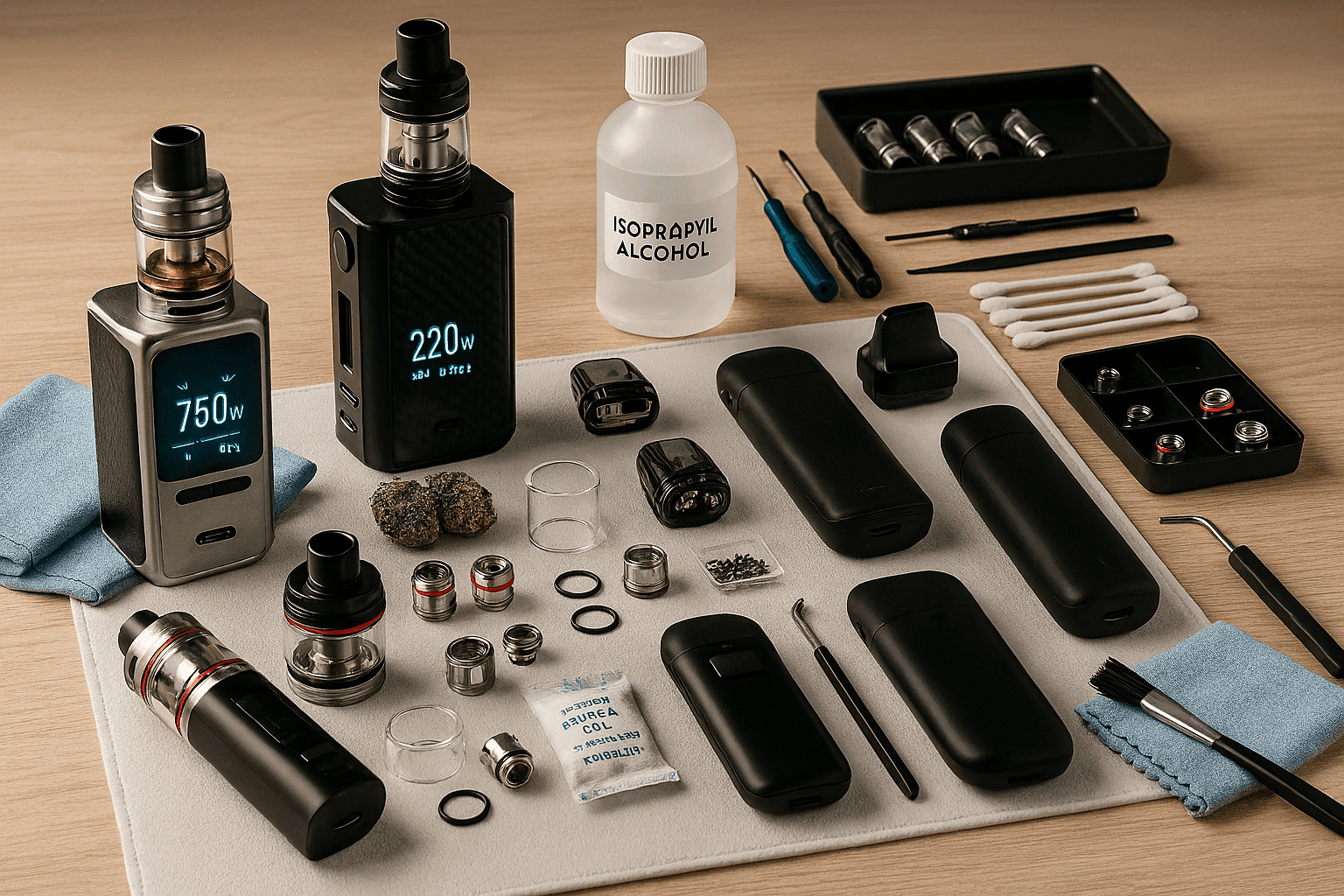
Spare coils should include both your regular replacement schedule plus extras for emergencies. Most coils typically last one to three weeks, depending on usage patterns, but travel conditions can shorten their lifespan. Basic tool kits for field maintenance include small screwdrivers, cotton swabs, and cleaning cloths to solve minor issues that could otherwise end your vaping capability.
Individual results vary significantly. Always verify current pricing and availability with official sources before making travel decisions.
Airport Security Navigation (Canada and International Travel)
Airport security represents the first major hurdle for travelling vapers. Security regulations are generally similar across countries, but they are enforced by different agencies with potentially varying interpretations.
Understanding Current Regulations
For Canadian travellers: CATSA (Canadian Air Transport Security Authority) handles airport security in Canada and follows similar regulations to other countries regarding lithium batteries and liquids.
For U.S. travel: TSA (Transportation Security Administration) enforces airport security with regulations that typically align with international standards.
International considerations: Each country has its own security agency, but most follow similar international aviation security standards for batteries and liquids.
Battery placement requirements are consistent internationally – vape devices and spare batteries must travel in carry-on luggage only due to the risks of lithium-ion battery fires.
International Travel Considerations by Region
International travel adds complexity layers that domestic travel doesn’t present. What’s legal in one country might result in fines or confiscation in another. Cultural attitudes toward vaping vary dramatically between regions.
Legal Status Research and Compliance
Vaping laws change frequently and vary significantly between countries. Some nations ban vaping entirely, while others restrict nicotine content, device types, or public usage. Singapore, Thailand, and several Middle Eastern countries enforce strict anti-vaping laws with substantial penalties.
Research current vaping laws for both your destination and any layover countries using government websites, which typically provide the most current information. Documentation gets complicated fast. Some countries want customs forms. Others need import permits. Some ban vaping stuff completely.
International laws change all the time. Check official government sources before you travel. Don’t trust random forum posts.
Way too many people get their gear confiscated at borders because they didn’t check first.
Regional Climate and Environmental Factors
Temperature extremes affect both devices and e-liquids in ways that don’t occur during normal home use. Desert climates can cause e-liquids to thin, leading to increased leaking, while cold temperatures may thicken e-liquids, affecting wicking and vapour production.
High-altitude destinations above 8,000 feet often experience pressure effects similar to those in airline cabins, making leak-proof accessories even more important. Tropical destinations with high humidity may require more frequent cleaning, while dry climates can increase static electricity problems.
Shipping and Duty Considerations
Shipping vape stuff internationally is way harder than just bringing it yourself. Most shipping companies refuse lithium batteries. Customs blocks vape packages randomly.
Don’t count on shipping your gear ahead of time. There is a high chance it gets seized or returned.
Smart move? Research local vape shops before you leave. Find out what’s available at your destination. Way easier than fighting customs and shipping restrictions.
Import duty rates and tax structures vary by country – some classify vape devices as tobacco products with high tax rates, while others treat them as electronics.
Customs regulations, tax rates, and shipping restrictions change frequently. Verify current requirements with official sources.
Travel Organisation and Packing Systems
An organisation separates people who travel well with vape gear from those who hate every trip.
Good organisation stops your stuff from breaking, gets you through security faster, and means you can actually find your gear when you need it.
Pack like a mess? You’ll regret it at the worst possible moment.
Modular Storage Solutions
Case size is a tradeoff. Hard cases protect your gear but weigh a ton. Soft cases are lighter, take up less space, but won’t save your device from serious drops.
Compartments keep stuff from bouncing around. Nothing worse than opening your case to find everything tangled together and your glass tank shattered. Implementing organized storage methods for spare parts prevents damage and ensures you can quickly locate components when needed.
Weight distribution screws people up. Pack all your vape gear in one spot? Your bag feels lopsided and awkward. Spread it around? Good luck remembering where you put that backup battery.
Find a balance that actually works for how you travel. Don’t overthink it.
Device Protection Strategies
Shock absorption becomes critical when luggage faces rough handling. Impact resistance accessories include padded cases, silicone sleeves, and protective skins that provide significant protection against drops and impacts.
Moisture protection extends beyond waterproofing – condensation from temperature changes and humidity exposure can damage components even in water-resistant devices. Connection port protection with dust caps and protective covers prevents debris from entering charging ports.
Travel Day Accessibility
Quick-access organisation recognises that travel days require different accessibility than normal routines. A small pouch with essential items often proves more practical than accessing a full travel kit multiple times. Many experienced travellers pack a “day one” kit with everything needed for the first 24-48 hours.
Destination-Specific Travel Strategies
Different places mess with your vaping gear in different ways.
Beach vacation? Sand gets everywhere. Salt air corrodes metal. Your device overheats sitting in direct sun.
Mountain trip? Cold kills batteries fast. Altitude changes make tanks leak. Dry air makes your throat raw.
Humid business trip? Condensation fogs up your screen. Moisture gets into ports. Your gear feels sticky and gross.
Pack for where you’re actually going, not just generic travel. Each place tries to kill your vape gear differently.
Beach and Resort Travel
Coastal destinations present specific challenges that inland travel doesn’t. Salt air accelerates corrosion of metal components, while sand can infiltrate devices through the smallest openings. High humidity affects both devices and e-liquids, often requiring more frequent maintenance cycles.
Water-resistant storage becomes critical near beaches and pools. Even water-resistant devices can fail when exposed to salt water or pool chemicals. Sealed storage containers and protective cases that prevent sand infiltration often prove more valuable than expensive waterproof devices.
UV exposure can degrade e-liquids and plastic components faster than normal indoor use. Storing devices and e-liquids in shaded, cool locations helps maintain performance and flavour quality during beach vacations.
Mountain and High-Altitude Travel
Altitude affects both device performance and user experience in ways that catch most travellers unprepared. Lower air pressure can cause increased leakage, similar to the effects on aeroplane cabin pressure. Devices may require more frequent refilling due to pressure equalisation.
Temperature swings in mountain environments can be extreme, with hot days and freezing nights affecting device reliability. Protective cases that insulate against temperature changes become more important than basic impact protection.
Dry mountain air can increase static electricity issues and affect wicking performance. Altitude changes how your juice and wicks work. Thinner air at high elevation makes some juices too thick or too thin. Your wicking material might not keep up.
What works great at sea level can taste burnt or flooded up in the mountains. Annoying to figure out, but it happens.
Urban vs Rural Destinations
City travel typically offers better access to replacement parts and repair services, but presents different challenges like air quality and security concerns. Rural destinations often require more comprehensive backup planning since professional services may be unavailable.
Urban environments may have specific vaping restrictions in public spaces that differ from rural areas. Know the local rules before you start vaping somewhere new. Different places have different attitudes. Don’t be that tourist who gets dirty looks or worse.
Theft is location-dependent. Busy tourist spots? Hide your expensive gear. Thieves target flashy devices in crowds. Remote camping? Totally different security concerns.
City centre hotel versus mountain cabin – pack your security strategy accordingly.
Comprehensive Travel Checklists
Systematic preparation prevents most travel vaping problems. These checklists help ensure nothing important gets forgotten during packing rushes.
48-Hour Pre-Departure Checklist
Look up the vaping laws before you go. Use official government websites, not random forum posts. Find local vape shops at your destination. Get their contact info in case you need emergency supplies.
Check your airline’s actual policies. Some are stricter than TSA rules. Don’t assume anything.
Clean your gear and check everything before packing. Replace sketchy coils. Check battery wraps for tears. Test your backup devices – you’ll be pissed if they don’t work when you need them.
Get your paperwork together. Purchase receipts, warranties, and travel insurance details. Put digital copies in cloud storage you can access from your phone. Lost paperwork at customs is a nightmare.
Sounds boring, but this prep saves you from disaster later.
24-Hour Final Preparation
Complete final packing with weight checks and accessibility testing. Practice removing devices quickly for security screening and verify that all e-liquids fit within carry-on restrictions.
Charge all devices and power banks to full capacity. Install fresh coils in primary devices to maximise lifespan during travel. Load devices with appropriate e-liquid quantities, leaving room for pressure expansion.
Pack a “day one” survival kit that fits in your personal bag. If your luggage gets lost, you need enough gear to last 48 hours.
Basic device, backup coils, a small bottle of juice, a charging cable, and a spare battery if your device uses them. Keep it simple but functional.
Airlines lose luggage all the time. Don’t get stuck at your destination with no way to vape for days while waiting for your bag to show up.
Post-Arrival Setup Checklist
Inspect devices for damage during transport and test functionality before settling into accommodations. Identify the locations of electrical outlets and charging stations in your room or rental property.
Research local vaping etiquette and regulations that may differ from what you discovered during pre-travel research. Local customs often differ from written laws, especially regarding public vaping acceptance.
Locate nearest vape shops and emergency services in case replacement parts or professional help become necessary during your stay.
Advanced Troubleshooting Guide
Even well-prepared travellers encounter problems that require on-the-spot solutions. These troubleshooting steps address the most common issues using materials typically available during travel.
Device Won’t Turn On
Check battery connections first – travel vibration can loosen battery compartments or connection points. Clean connection points with dry cotton swabs or cloth to remove any debris that accumulated during transport.
Verify battery charge levels using external testing if available. Batteries can discharge more quickly during travel due to temperature fluctuations and vibration. Try different batteries if available to isolate whether the problem is device or power-related.
Temperature-related issues require different approaches. Extremely cold devices may need gradual warming to room temperature before functioning normally. Extremely hot devices should cool completely before troubleshooting attempts.
Severe Leaking During Travel
Pressure-related leaks often stop once pressure equalises, but require immediate cleanup to prevent damage. Remove the batteries immediately if e-liquid has come into contact with electrical components.
Disassemble affected components and clean thoroughly with available materials. Paper towels, napkins, or cloth can remove excess liquid, while cotton swabs clean detailed areas.
Identify the leak source before reassembly. Common travel leak points include loose tank connections, worn o-rings, and overfilled tanks that couldn’t handle pressure changes.
Lost or Damaged Accessories
Emergency shopping means knowing what you can actually find anywhere, versus speciality stuff.
USB cables and basic batteries? Any electronics store has them. The phone charger will work for most devices.
Specialised coils for your specific tank? You need a real vape shop. Gas stations and convenience stores won’t have what you need. The same goes for mouthpiece components – understanding the differences between drip tips and standard mouthpieces helps you find suitable temporary replacements while traveling.
Plan accordingly. Bring backup coils with you or know where the vape shops are at your destination. Don’t assume you can find your exact coil type everywhere.
Improvised solutions can provide temporary fixes until proper replacements are available. Universal phone chargers often work for many devices, while basic cotton can serve as emergency wicking material.
Contact the manufacturer’s support for guidance on compatible alternatives available locally. Many manufacturers provide international support with local dealer information.
Travel Duration Strategies
Weekend trip versus month-long adventure? Pack totally differently.
Two-day getaway means minimal gear. Don’t overpack for a short trip. Month-long vacation? You need to back up everything, or you’ll be buying overpriced replacements halfway through.
Match your gear to the trip length. Simple concept, but people mess it up all the time. Either they pack like they’re moving permanently or show up with nothing useful.
Short Trips (1-3 Days)
Minimise gear to essentials that fit easily in carry-on personal items. One backup device and minimal e-liquid supplies typically suffice for weekend trips. Focus on leak prevention and basic power backup rather than comprehensive tool kits.
Single-use or disposable options may make sense for very short trips where carrying full accessories creates more inconvenience than value. This approach works especially well for destinations where vaping regulations are uncertain.
Extended Travel (1+ Weeks)
Longer trips? Pack like you mean it. Comprehensive kit with maintenance tools, multiple backup devices, and bigger juice supplies.
Extended travel throws different problems at you. What works in one climate fails in another. Desert heat, tropical humidity, mountain cold – each one kills your gear differently.
A month-long trip means you can’t just wing it with minimal gear. You’ll encounter weird situations that need specific solutions. Better to overpack slightly than get stuck somewhere with broken equipment and no way to fix it.
Resupply planning becomes important for trips longer than two weeks. Research e-liquid availability and shipping options to your destination for mid-trip restocking rather than carrying excessive initial supplies.
Maintenance scheduling should account for extended use in potentially challenging conditions. Plan for more frequent cleaning and component replacement than typical home use patterns. Plan for more frequent cleaning and component replacements than in typical home use. Adopting systematic vape maintenance practices becomes especially important when professional repair services aren’t readily available.
Building Your Perfect Travel Setup
Successful travel vaping comes down to preparation, organisation, and realistic planning for things that can go wrong. The accessories and strategies covered in this guide address the most common problems that derail travel vaping experiences, from simple leaks to complex international complications.
Start with stuff that actually matters: leak-proof storage, backup power, spare parts. Don’t try to pack for every possible disaster on your first trip.
Build your travel kit slowly. Focus on accessories that fix problems you actually run into, not theoretical worst-case scenarios. Most people overpack on their first few trips.
Here’s what most travellers get wrong – travel accessories aren’t just convenience. They’re insurance when you can’t easily replace a broken gear.
Different trips need different approaches. Beach vacation? Moisture protection is key. Mountain trip? Altitude messes with your gear. Business travel? Security screening and looking professional. Adventure travel? Pack like your life depends on working equipment.
Regulations change constantly. Product availability, too. Don’t trust old forum posts or outdated articles. Check official sources before international trips, especially.
The checklists in this article give you a framework. Your specific needs will be different based on where you’re going and how you travel.
Need help building a custom travel kit? Majestic Vapes is a trusted vape accessories store with experience serving both business and leisure travellers. They know what actually works versus what looks good on paper.
This is general advice, not legal or safety guidance. Travel rules, device compatibility, safety requirements – everything changes constantly. Check current official sources and talk to professionals for your specific situation.