Vape Battery Safety – A Complete Checklist

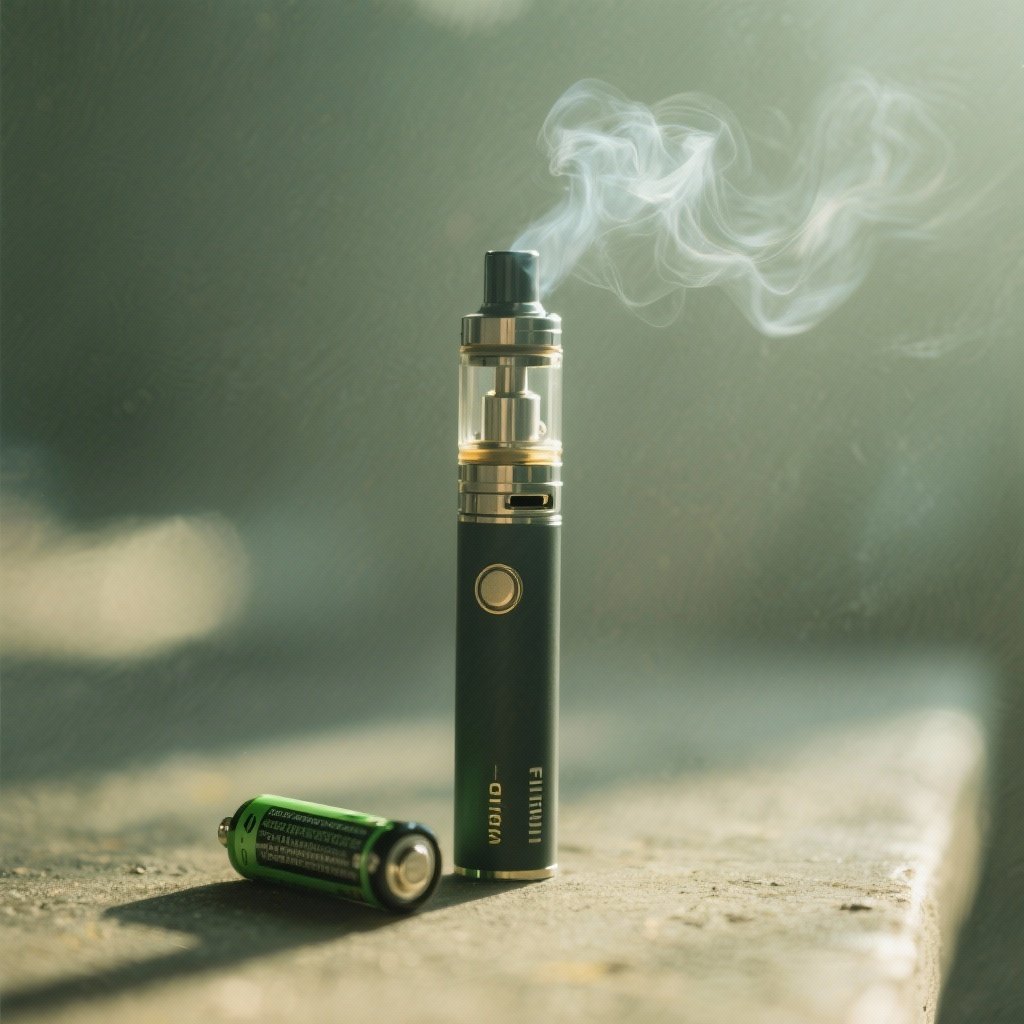
Whether you just bought your first vape device to quit smoking or you’ve been vaping for years, battery safety should never be overlooked. Your vape experience depends on the battery powering it, and understanding how to care for that battery properly can mean the difference between a trouble-free session and a potential safety hazard.
Note: Nicotine is addictive. Vaping products are intended for adult smokers seeking an alternative to cigarettes. This guide covers battery safety practices, but always consult your device manual for model-specific instructions.
This guide covers everything you need to know about vape battery safety, from understanding what type of battery you have to daily maintenance habits, proper charging practices, and knowing when it’s time for a replacement.
Why Practice Vape Battery Safety?
Practising vape battery safety protects you and safeguards your vaping device from potential risks. Here are the key reasons why battery safety matters.
Preventing Accidents and Injuries: Mishandling batteries, using damaged or expired batteries, or charging them improperly can lead to malfunctions, overheating, or even explosions. Battery failure can escalate from a minor issue to a major problem quickly.
Preserving Device Performance: Neglecting proper battery care can lead to malfunction, decreased battery life, or damage to internal components. Good habits can significantly extend device life.
Avoiding Costly Replacements: Battery-related mishaps can damage your device and other components, such as atomisers or tanks. Taking preventive measures helps you avoid unnecessary expenses.
Protecting the Environment: Responsible disposal and recycling of batteries minimises environmental impact. Improperly discarded batteries can harm ecosystems and contaminate soil and water sources.
Understanding Your Battery Type
Most new vapers don’t realise devices use different battery types. Knowing which type you have determines everything from how you charge to how you maintain your device.
Integrated (Built-In) Batteries
Integrated batteries are permanently sealed inside your device. You charge the entire device with a USB cable, similar to your phone. Most pod systems, like STLTH and RELX, and disposables like Allo Ultra, fall into this category. You never touch the actual battery, and when it eventually degrades, you replace the entire device.
These integrated cells typically range from 280 mAh to 1500 mAh. A smaller capacity means more frequent charging but lighter devices. For example, 500 mAh gets you approximately 200 to 300 puffs per charge, while 1500 mAh delivers around 600 to 900 puffs. The built-in Battery Management System (BMS) automatically handles charging, regulating current, preventing overcharging, and monitoring temperature.
Removable Batteries
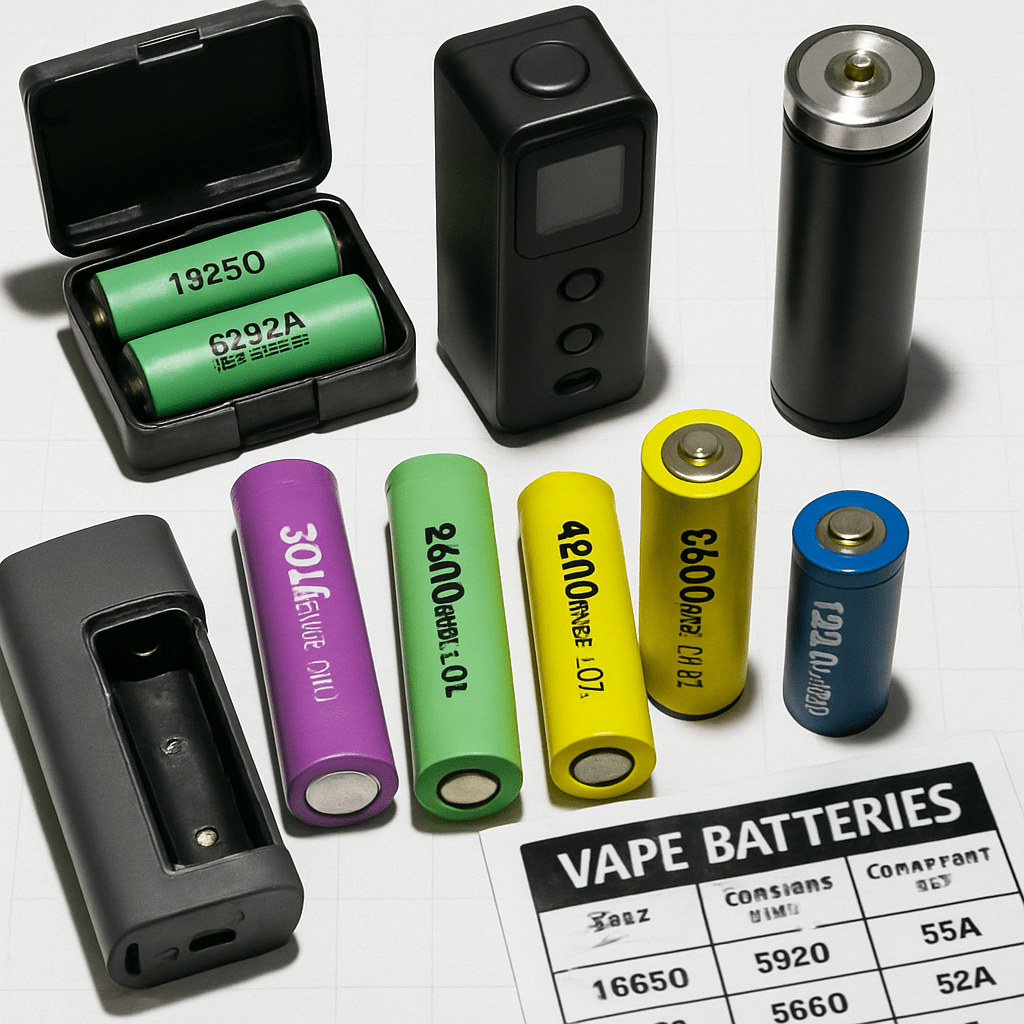
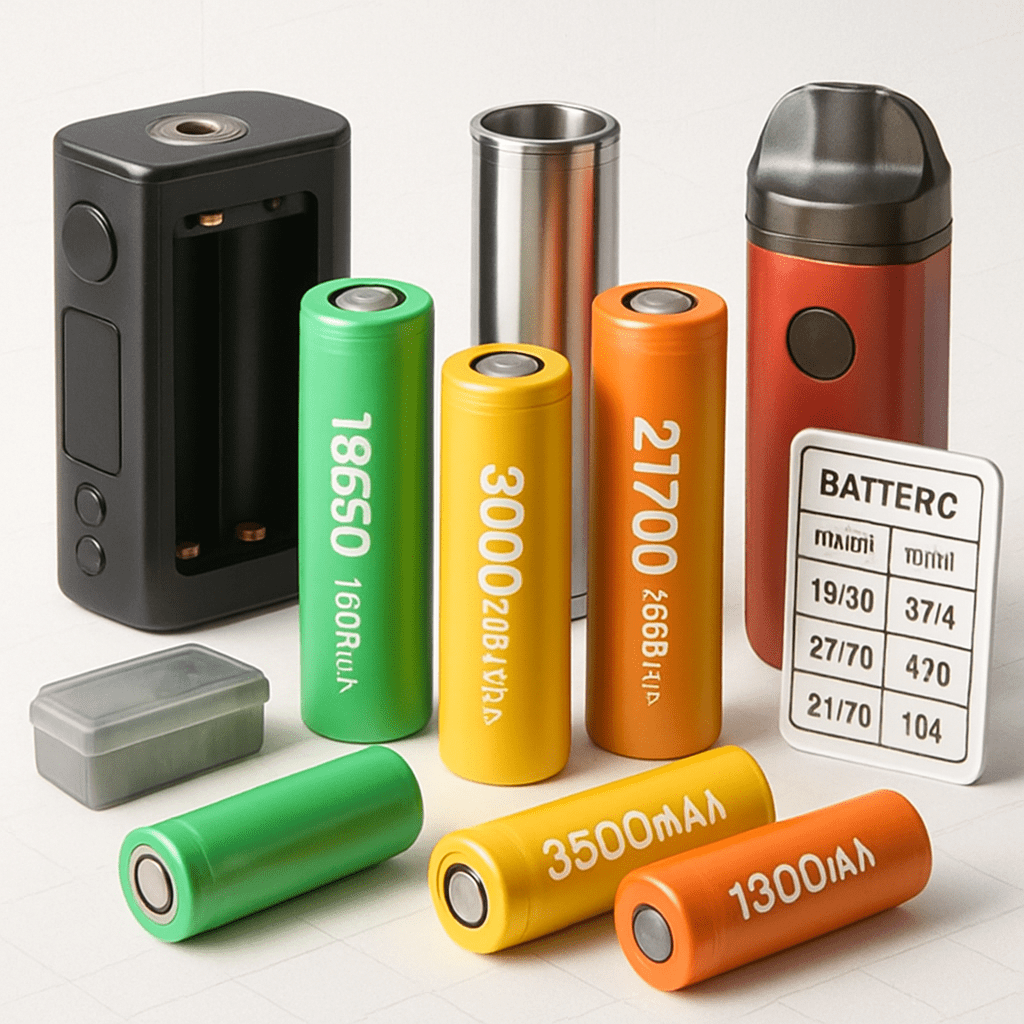
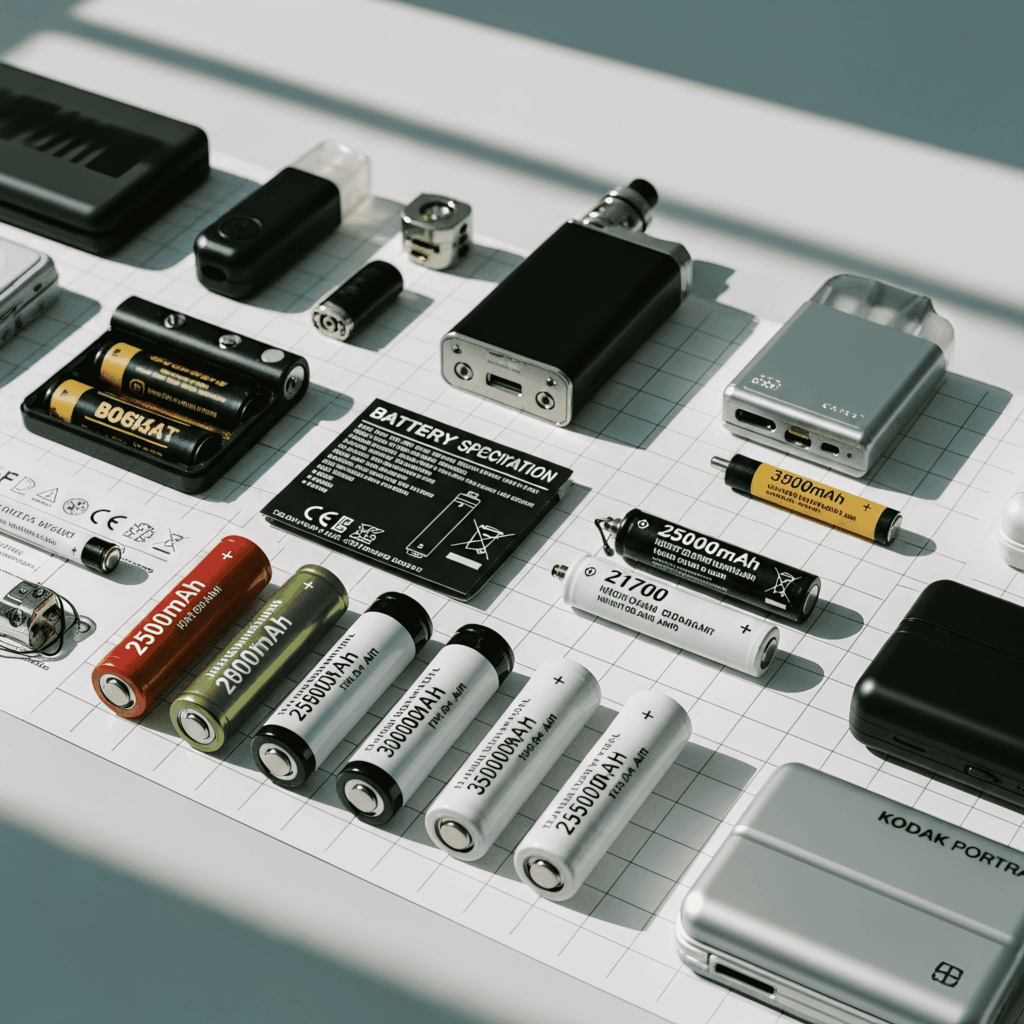
Removable batteries are separate cylindrical power sources that you can physically take out. They look like thick AA batteries but are actually 18650 (18mm diameter, 65mm length) or 21700 (21mm diameter, 70mm length). These are standard in larger mods from SMOK, Voopoo, and UWELL.
These require more attention because you handle them directly. You take them out to charge in external chargers, replace them when they wear out, and inspect them regularly. For box mods, buy batteries in matched pairs from the same batch and keep them together for their entire lifespan. Battery marriage matters because matched cells ensure balanced discharge. Mismatched batteries create imbalanced loads, with one draining noticeably faster, potentially creating dangerous conditions.
How to Tell Which Type You Have
See a removable battery door? You have removable batteries. If the device charges via USB without opening anything, you have integrated batteries. Still unsure? Check your manual for terms like “built-in battery” or numbers like “18650” which indicate removable cells.
Battery Selection and Quality
Not all batteries are created equal. Investing in reputable brands isn’t just about getting value for money. It’s about ensuring safety. Top-tier brands prioritise safety standards, ensuring their batteries are less likely to malfunction.
Choosing Authentic Batteries
Choose reputable battery brands known for their quality and safety standards. Look for authentic batteries from reliable vendors and avoid purchasing from unknown sources.
Check for clear branding, proper labelling, and necessary certifications. Quality printing with sharp text indicates legitimate products. Many brands include scratch-off verification codes that you can check on manufacturer websites.
Avoiding Counterfeits
Counterfeit batteries look identical to the real ones, with the same colours, logos, and holographic stickers. They may work initially, but internal components use inferior materials and lack safety protections. Performance degrades rapidly, often losing significant capacity within just a few months. In worst cases, they fail catastrophically, venting or catching fire.
Battery prices provide clues. Authentic 18650/21700 batteries typically cost $15 to $25 in the Canadian market. Prices significantly below typical retail rates are a red flag. While that off-brand battery might be cheaper, the risk often isn’t worth the savings.
Battery Handling and Inspection
How you handle and inspect your batteries on a daily basis plays a major role in preventing accidents. A few simple habits can help you catch problems before they become serious.
Regular Inspection
Before use, examine batteries for physical damage, leaks, or worn-out wraps. Damaged batteries should never be used and should be properly disposed of. Do a quick visual inspection daily. This takes about five seconds once it becomes a habit. Look for physical damage, check that buttons work properly, and inspect battery wraps for tears.
Battery Wraps Matter
Battery wraps might seem like a minor detail, but they play a crucial role in safety. These wraps protect the battery’s metal interior, preventing potential short circuits. That thin wrap isn’t decoration. It’s insulation preventing shorts. A tear as short as 2 to 3mm can cause thermal runaway, where batteries release all stored energy as heat, potentially venting at 500 to 800 degrees Celsius. If you notice any damage to the wrap, it’s time to replace it. Re-wrapping typically costs $2 to $5 per battery at vape shops.
Safe Handling Practices
When not in use or during transportation, store batteries in dedicated battery cases to prevent accidental contact with metal objects. Never carry loose batteries in your pocket with keys or coins, as these metal objects can cause short circuits.
Avoid mixing battery types or brands in a device to prevent imbalances and potential hazards. Keep batteries away from water. If your battery gets wet, its performance can be compromised, leading to potential hazards.
Charging Best Practices
How you charge affects both safety and lifespan. Good habits can extend device life well beyond typical expectations.
Using the Right Charger
Using the wrong charger for your vape battery can cause damage. Always use the charger designed for your vape battery or device. Use the cable that came with your device, as manufacturers design cables to match specifications.
Lost your original cable? Get branded replacements from reputable vape shops, not generic dollar store cables. Cheap cables often use thinner wire gauges, causing voltage drops and increased heat. Wall adapters matter too. That high-wattage tablet charger may be overkill for most vape devices designed for lower output. Computer USB ports actually work well. The lower output charges more gently, which is better for long-term battery health.
Safe Charging Location
Your vape battery deserves a safe charging environment. Charge on hard, flat, non-flammable surfaces like kitchen counters, desks, and tables. These dissipate heat effectively. Avoid beds, couches, carpets, or areas near curtains. Keep away from heating vents and direct sunlight.
Avoid Overcharging
Don’t charge overnight while sleeping. Most devices fully charge in 1 to 3 hours. You don’t need that 8-hour overnight timeframe. Your phone has sophisticated safety systems designed by teams of engineers with substantial R&D investment. Your vape operates under different engineering standards with fewer protection features. If an issue develops, such as overheating, an unusual smell, or smoke, you won’t notice it while sleeping. Charge during times when you’re awake and can respond.
When to Charge
You don’t need to fully drain batteries. That’s a myth from old nickel-cadmium batteries. Charge when devices drop to around 20-30% capacity. This optimal depth of discharge can extend battery lifespan compared to full 0 to 100 percent cycles. Frequent topping off won’t damage modern lithium batteries. “Memory effect” doesn’t exist with lithium-ion chemistry.
Avoid using devices while charging (pass-through vaping). Combined heat from charging and active use exceeds the heat generated by either alone, stressing the battery.
Getting Your First Charge Right
Charging times typically range from 45 minutes to 4 hours, depending on device type. Pod systems charge in under an hour, pen-style devices need 2 to 3 hours, and box mod batteries take 3 to 4 hours in external chargers. Your first charge sets the foundation. Taking 10 to 15 minutes to do this correctly can noticeably extend battery life over the device’s lifespan.
When Unboxing a New Device
Read safety documentation, even just skim it for 3 to 5 minutes. Locate the correct charging cable. Identify a safe charging location on a hard, flat surface within sight. Check for visible damage from shipping. If anything looks wrong, contact the retailer before charging.
Monitoring the First Charge
Stay nearby, within the same room. Check every 15 to 20 minutes. Some warmth is normal, but the device should never be uncomfortable to hold. Learn your device’s LED indicators. Unplug within 15 to 30 minutes of completion.
Storage and Temperature
Designate a specific spot for your vape. Choose a clean, dry place away from children and pets. A drawer, shelf, or vape case works well. Using the same spot every time makes proper storage automatic.
Temperature Considerations for Canadian Vapers
Temperature matters more than people realise. Canadian homes, typically 19 to 23 degrees Celsius, are ideal for battery health. The issue is leaving devices in cars during extreme weather.
Winter cold: Temperatures hitting -15 to -25 degrees Celsius can damage battery chemistry. Batteries may lose significant capacity temporarily when cold, and repeated exposure causes permanent degradation.
Summer heat: Car interiors can reach 50-60 °C, accelerating ageing and reducing lifespan. Exposing your battery to extreme heat can cause it to malfunction or even fail dangerously.
A simple rule: if it’s too hot or too cold for you, it’s too hot or too cold for your vape. Bring your vape inside. Takes two seconds and saves money in the long term.
Long-Term Storage
Store batteries in a cool, dry place, away from direct sunlight and extreme temperatures. For occasional vapers, store devices at 40 to 60 percent charge rather than fully charged. This can extend lifespan substantially. Set monthly reminders to check battery level, clean connections, and verify everything works.
Maintenance and Cleaning
Just like any other device, vape batteries need regular cleaning. Over time, dirt, debris, or residue can accumulate on the battery’s connection point. This not only affects performance but can also be a safety hazard.
Periodically clean the battery terminals with a lightly moistened cotton swab dipped in isopropyl alcohol. Keep contact points clean by wiping threading and contacts weekly with a dry cloth or cotton swab. This 30-second habit prevents many performance issues.
Recognising Warning Signs
Five critical signs require stopping immediately. Any of these? Stop. Don’t charge it. Don’t test it. Bring it to a vape shop for professional evaluation.
Excessive heat: Can’t hold comfortably for 5+ seconds
Unusual smells: Sweet, chemical, or burning odours
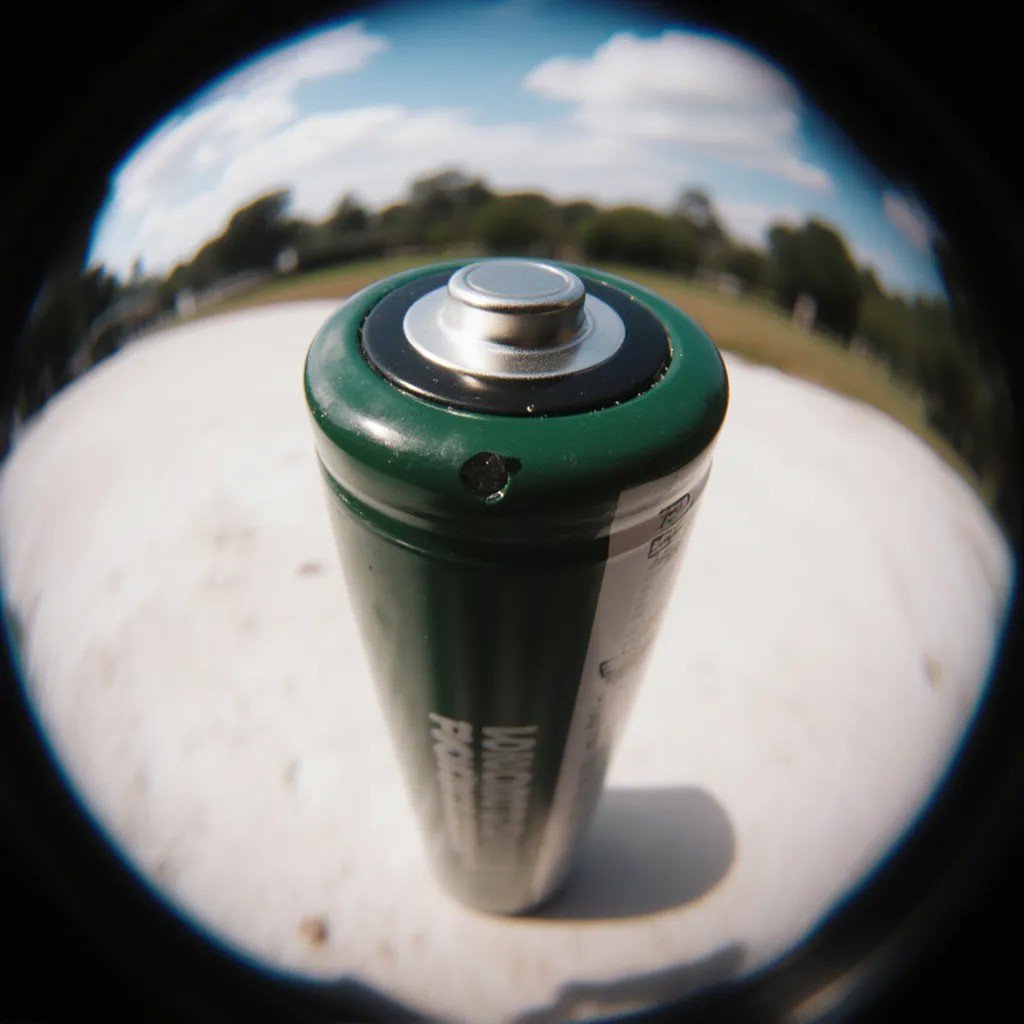
Visible swelling or deformation: Indicates gas generation from internal decomposition. The next stage is venting or thermal runaway.
Liquid leaking anywhere: A sign of internal damage
Device activating on its own: Electrical malfunction requiring immediate attention
Trust your instincts. If the device behaves unusually, stop until you determine the cause. Battery performance naturally declines over time. A gradual decline over months is normal ageing. Sudden failure or dramatic capacity drop in a week indicates problems requiring evaluation.
When to Replace Your Battery
Most integrated battery devices typically last 12 to 18 months with daily use, while removable batteries generally deliver 18 to 24 months before needing replacement. Lithium-ion cells are typically rated for 300 to 500 charge cycles before they drop to 80 percent of their original capacity.
Signs It’s Time for Replacement
Three symptoms together indicate end-of-life:
- Taking longer to charge than it used to (3+ hours when previously 2 hours)
- Getting warm quickly during use (within 2 to 3 minutes instead of 10 to 15 minutes)
- Inconsistent power delivery (satisfying hits when charged, but weak after 20 to 30 percent use)
When these occur together over 1 to 2 weeks, you’re looking at replacement within 2 to 4 weeks. Physical changes such as swelling, bulging, or deformation require immediate retirement. Never continue using visibly damaged batteries.
Proper Disposal and Recycling
Don’t throw batteries in regular trash. This may be illegal in many Canadian jurisdictions under environmental protection laws. Recycling batteries helps reduce environmental impact.
Many municipalities offer battery recycling at waste facilities. Retail locations like Majestic Vapes typically accept used batteries for proper disposal at no charge. Tape over terminals with non-conductive tape before disposal to prevent accidental shorts during transportation. Check for battery recycling programs or drop-off points in your area.
Travelling with Vape Batteries
Travelling with vape batteries requires preparation. Different airlines have their own rules, but there are common guidelines to follow.
Most airlines require you to stow your battery in your carry-on, not in checked luggage. Before you zip up that suitcase, double-check that your device is powered down. Ensure the battery is securely in place or stored in a protective case. Use button locks to prevent accidental activation. Check specific airline policies before flying, as regulations can vary.
Quick Reference – Common Battery Problems and Solutions
| Problem | Likely Cause | Solution |
| The battery is not lasting long | High wattage settings or an ageing battery | Lower the wattage or replace the battery |
| The device won’t charge | Dirty contacts or a faulty cable | Clean the port, try a different cable/outlet |
| The battery is getting hot quickly | Internal damage or a worn battery | Stop using immediately, seek evaluation |
| Inconsistent power output | Battery near the end of its life | Replace the battery within 2 to 4 weeks |
| Damaged battery wrap | Wear and tear or impact | Re-wrap at vape shop ($2 to $5) |
| Swelling or deformation | Internal decomposition | Stop use immediately, dispose properly |
| The battery is wet or exposed to water | Water damage to internals | Replace the battery; do not attempt to use it. |
Vape Safely with Majestic Vapes
At Majestic Vapes, we prioritise your safety and satisfaction. Whether you’re new to vaping or have been at it for years, we recommend always prioritising safety.
We offer a wide range of high-quality batteries, chargers, and accessories that meet stringent safety standards. Our staff can demonstrate proper charging procedures, help you identify your battery type, troubleshoot device issues, and recommend appropriate replacements with proper compatibility.
Visit us in-store at our Brampton or Mississauga locations. You can also shop online at majesticvapes.ca with same-day GTA delivery for orders placed before 11 AM Monday through Friday.
Reminder: Vaping products contain nicotine, which is addictive. These products are intended for adult use only. Battery lifespan and performance vary based on usage patterns, device type, and environmental conditions.