Button Top vs Flat Top Vape Battery Guide for Canadian Vapers

You know that sinking feeling when you get home from the vape shop, excited to try your new batteries, only to discover they don’t fit properly in your mod? Or worse, they fit, but your device won’t fire, leaving you staring at a blank screen, wondering what went wrong. It’s frustrating, and this happens more often than it should.
Here’s the thing about vape batteries: the difference between button-top and flat-top might seem like a minor technical detail, but it directly affects whether your device works at all. That tiny 1-2mm difference in height (roughly the thickness of a credit card) can mean the difference between a satisfying vape and a completely non-functional mod sitting on your desk. This gap determines whether electrons flow freely from your battery’s positive terminal through your device’s circuitry or whether poor contact leaves you troubleshooting for hours.
The confusion is understandable. Battery manufacturers don’t always make it obvious which type you need, device manuals often gloss over the details, and shopping online means you might not even realise there’s a choice to make. Many vapers in the GTA have learned this lesson the hard way, making a trip back to exchange batteries or waiting days for the right replacements while their mod collects dust.
That’s where our battery selection guide comes in. This guide walks you through everything you need to know about button-top versus flat-top batteries (also called raised-terminal and flush-terminal configurations) for vaping. You’ll learn how to identify which type your device requires, understand the safety considerations beyond terminal design, and know what to look for when buying batteries in Canada.
Disclaimer: Battery specifications, safety standards, and Canadian vaping regulations change frequently. All information is based on available 2025 data and should be verified with current sources before making battery purchase decisions. Prices and availability vary by retailer and region.
Understanding Physical Differences That Affect Your Device
The physical construction of battery terminals might seem like a minor detail, but it determines whether your device will work at all. Understanding these differences helps you avoid compatibility problems and ensures optimal performance from your vaping setup.
Terminal Design and Construction Basics
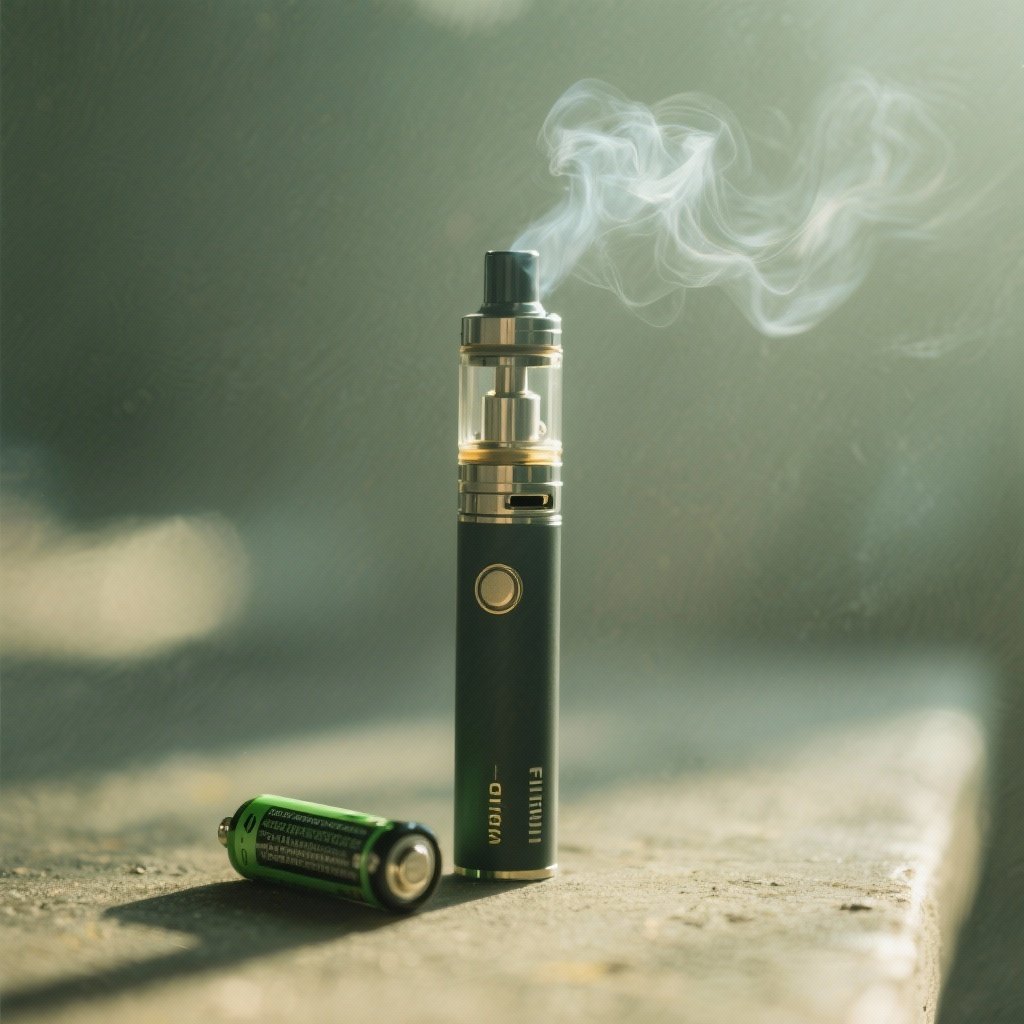
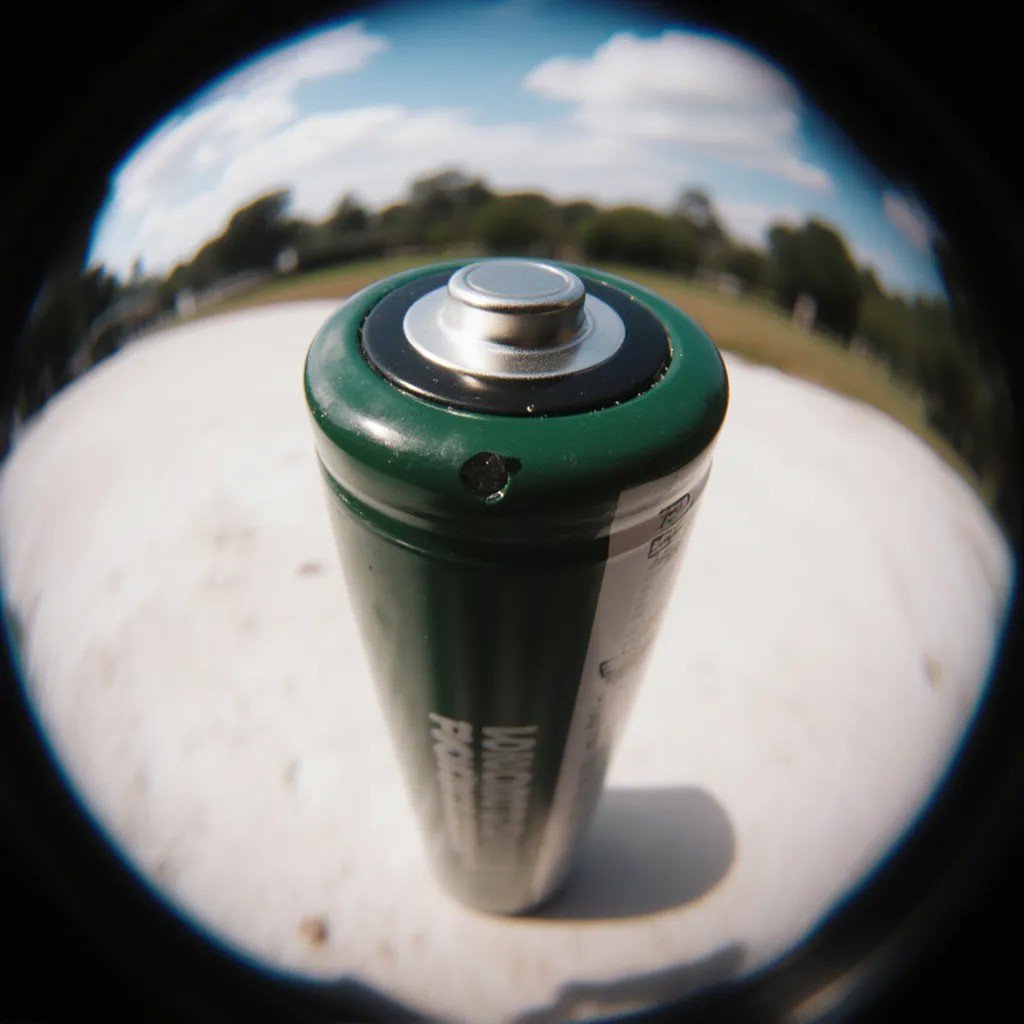
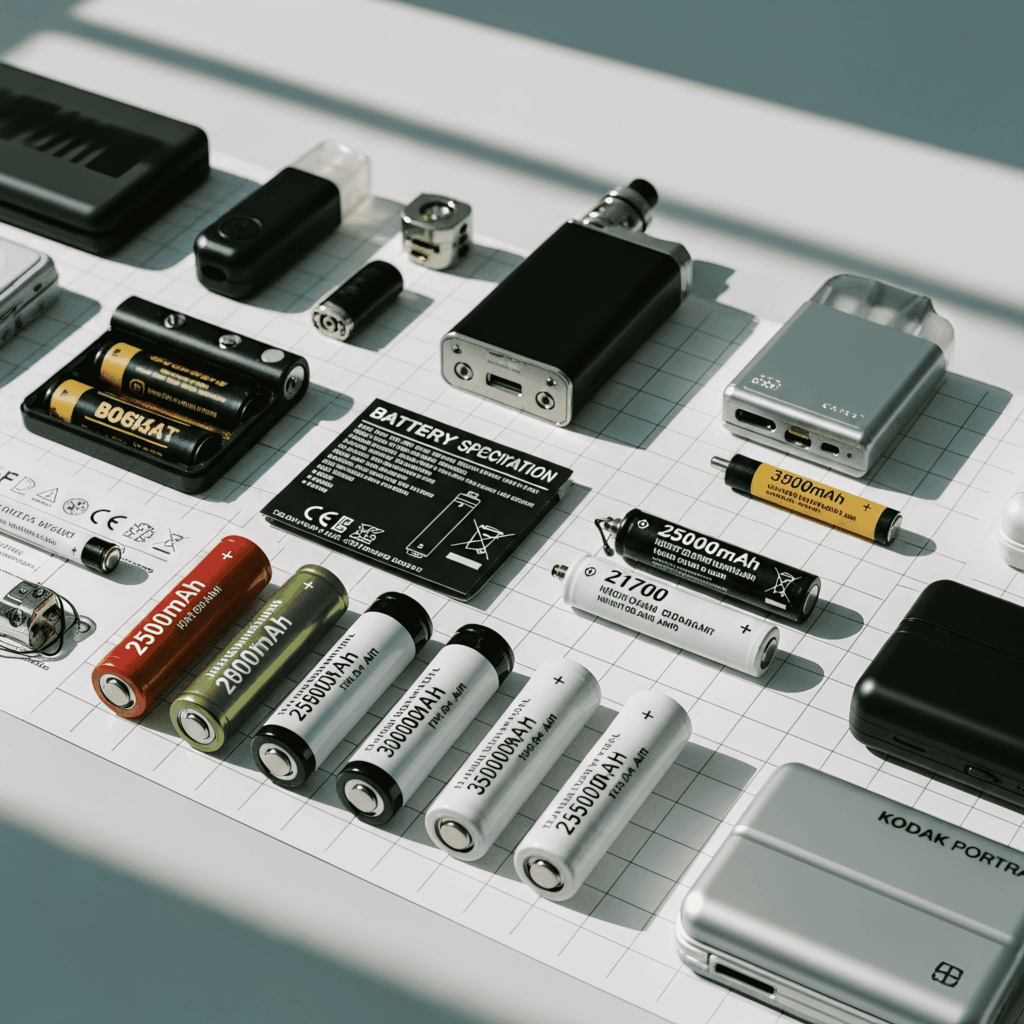
A flat-top battery (sometimes called a flush-terminal cell) looks exactly like it sounds. The positive terminal at the top is flush with the battery casing, creating a flat surface. A button-top battery has a raised positive terminal that sticks up from the top of the battery. It looks like someone placed a tiny metal button on top, hence the name.
The raised terminal on a button-top serves a specific purpose: it ensures contact in devices where the contact point sits slightly recessed into the battery compartment. The extra length helps bridge the gap between the battery and the device’s contact plate. Flat-tops rely on the device having a protruding contact point or spring-loaded mechanism to make the connection. This spring mechanism (typically offering 2-3mm of travel distance and applying 200-300 grams of force) compensates for manufacturing tolerances and ensures stable electrical contact throughout the battery’s discharge cycle.
How Terminal Shape Affects Contact Quality
The shape of that terminal affects how well electricity flows from your battery to your device. Contact surface area matters for electrical connection quality, and the two designs create different contact scenarios. With flat-top batteries, the entire flat surface (typically 8-10mm in diameter) can potentially make contact with your device’s positive terminal. Button-top batteries make contact through that raised terminal, which is typically smaller in diameter (usually around 4-6mm across). This can create excellent connection quality in devices designed for button-tops because the focused contact point ensures solid electrical conductivity, but only if the device is engineered for this design.
The problem arises when you mismatch the battery type with the device design. A flat-top in a device expecting a button-top might not reach the contact point at all, creating a weak connection with significantly increased contact resistance. A button-top in a device designed for flat-tops might create too much compression, potentially damaging the spring mechanism or causing the battery to sit at an angle.
Why Battery Compartment Tolerances Matter
Battery compartments are engineered with specific dimensions and typically have minimal clearance on either end. Most 18650 battery compartments (the most common size) are designed with just 0.5-1mm of clearance. Regulated box mods (devices with protective circuitry and adjustable wattage settings) often have tolerance built into the design through those spring-loaded contact plates. This forgiveness means many regulated mods can accept both battery types, though one will typically work better.
Mechanical mods (unregulated devices with no protective circuitry) are far less forgiving. Many need a precise battery length to work safely. Too short means no contact. Too long might over-compress internal components, potentially creating safety hazards or damaging your device. For Canadian vapers buying batteries online, you might receive battery types that work fine in one mod but not another in your collection, leading to a drawer full of batteries where only some work with each device.
Identifying Your Battery Type at a Glance
You don’t need to be a battery expert to tell these apart. The visual inspection takes literally five seconds once you know what you’re checking.
Look directly at the top of the battery’s positive terminal. If it’s flat and level with the battery casing, you’ve got a flat-top. If there’s a raised metal piece sticking up (even slightly), that’s a button-top. Run your fingertip lightly across the top; you’ll feel that raised terminal on a button-top immediately.
Battery labels and markings can help, too. Quality batteries from reputable brands (Samsung, Sony, LG, Molicel) will typically include the terminal type somewhere on the label. You might see “BT” for button-top or “FT” for flat-top, though this isn’t universal.
When purchasing new batteries, don’t be shy about asking for confirmation. Any knowledgeable staff member can immediately identify the type and often test-fit the battery to your device right there if you bring your mod with you.
Matching Battery Types to Your Vape Mod
Your device type determines which battery terminal configuration you need. Different mod designs have different contact mechanisms, and choosing the right battery type ensures safe operation and optimal performance.
Regulated Box Mod Requirements
Most regulated box mods (the kind with circuit boards, LED screens, and adjustable wattage settings) work with flat-top batteries. The vast majority of regulated mods manufactured in recent years specify flat-top compatibility in their documentation. These devices use fixed contact plates at one end and spring-loaded contact points at the other. The springs maintain connection, which means they can accommodate flat-top batteries without issue.
Devices from manufacturers like SMOK (Alien, Mag, and Morph series), Vaporesso (Gen and Luxe lines), and Voopoo (Drag series) generally specify which type they prefer in their user manuals. Many explicitly state flat-top compatibility.
Mechanical Mod Considerations
Things get serious here because mechanical mods don’t have the safety features and circuit protection of regulated devices. Every aspect of battery compatibility matters more when there’s no chip protecting against short circuits, over-discharge, or excessive current draw.
Most mechanical mods work best with flat-top batteries for a safety reason: they need reliable, stable contact between the battery terminal and atomiser base to prevent significant voltage drop. Flat-tops provide a consistent contact area and are less likely to create connection issues.
Hybrid connection mods (where the atomiser’s 510 pin screws directly onto the battery’s positive terminal) require specific considerations beyond terminal type. These mods need the atomiser’s 510 pin to protrude adequately from the atomiser’s base while keeping the atomiser base from touching the battery casing. Button-tops can create problems because the raised terminal changes the contact dynamics.
This is one of those areas where talking to someone experienced before using any batteries makes sense if you’re not completely confident. Staff at specialised vape retailers have seen enough setups to quickly identify potential safety issues.
What to Check Before Buying Batteries
A bit of homework (taking 10-15 minutes to check specifications) saves money and frustration.
Prices listed are approximate and based on 2025 market conditions. Always verify current pricing with retailers, as costs change frequently and vary by location.
Start with your device manual or manufacturer specifications. Most manufacturers clearly state battery requirements in the specs section. Look for language about terminal type, battery dimensions, and any specific compatibility notes. Physical inspection of your battery compartment tells you a lot, too. Spring-loaded contacts suggest flat-tops will work fine. A fixed, slightly recessed contact point might indicate the device expects button-tops.
Bringing your device to a vape shop lets staff test-fit batteries right there. They’ll have multiple battery types in stock and can verify the connection before you buy.
Battery Safety Factors Beyond Terminal Type
While understanding terminal types ensures compatibility, fundamental battery safety principles apply regardless of whether you’re using button-top or flat-top batteries. Safety goes far beyond just choosing the right terminal type. Safety goes far beyond just choosing the right terminal type. Proper battery maintenance, understanding current ratings, and recognising when batteries need replacement are all critical for safe vaping.
Battery Wrap Inspection and Physical Condition
Check your battery wraps every time you swap batteries. This takes literally 10 seconds and prevents potentially serious problems. Beyond regular inspections, following proper battery storage and maintenance practices helps prevent physical damage throughout the year. Your battery wrap is your first line of defence against short circuits. That colored plastic shrink wrap isn’t just for looks. It insulates the battery’s outer casing (connected to the negative terminal) from conductive surfaces. Even a small tear can expose the metal casing, creating a short circuit potential. Look for any tears, fraying, or areas where the wrap is pulling away. If you see any damage at all, that battery needs a new wrap before you use it again. Many vape shops offer re-wrapping services or can sell you wraps to do it yourself.
Physical deformation means immediate retirement. If you drop a battery and it gets dented, or if the battery isn’t perfectly cylindrical anymore, stop using it immediately. Dents can damage internal structures, creating internal short circuit risks.
Battery Age and Replacement Guidelines
Battery age matters too. Lithium-ion cells degrade over time and charge cycles. Most vaping batteries typically need replacement every 6-12 months, depending on usage frequency. Learn about detailed signs that indicate battery replacement is needed, including reduced runtime, unusual heating, and performance degradation that goes beyond normal aging.
Understanding Current Draw Requirements
This is where technical specifications determine whether a battery is safe for your device, regardless of terminal type. CDR (Continuous Discharge Rating, measured in amperes) tells you how many amps a battery can safely deliver continuously without overheating or risking failure.
For regulated mods, the device’s maximum wattage and your battery configuration determine the current draw. Many regulated mods protect against over-drawing batteries through circuitry that monitors amp draw and cuts power if you exceed safe limits.
Mechanical mods require more careful calculation because there’s no protection circuitry. If you’re not comfortable with Ohm’s Law calculations, you shouldn’t be using mechanical mods yet. The amp draw depends on your atomiser’s resistance and your battery’s voltage.
Here’s the key point: button-top or flat-top has zero effect on the battery’s CDR, capacity (mAh), or electrical characteristics. Those specifications are determined by the battery’s internal chemistry and construction. The terminal type is purely about physical compatibility with your device, not electrical performance or safety ratings.
Battery safety requirements vary by device type and usage. Always verify your specific device’s requirements with the manufacturer and consult current safety guidelines.
Reading Battery Specifications for Informed Choices
Battery specifications can look like confusing strings of numbers and letters, but they tell you everything you need to know about compatibility and performance. Learning to decode these specifications helps you make informed purchasing decisions.
Understanding Battery Size Codes and Dimensions
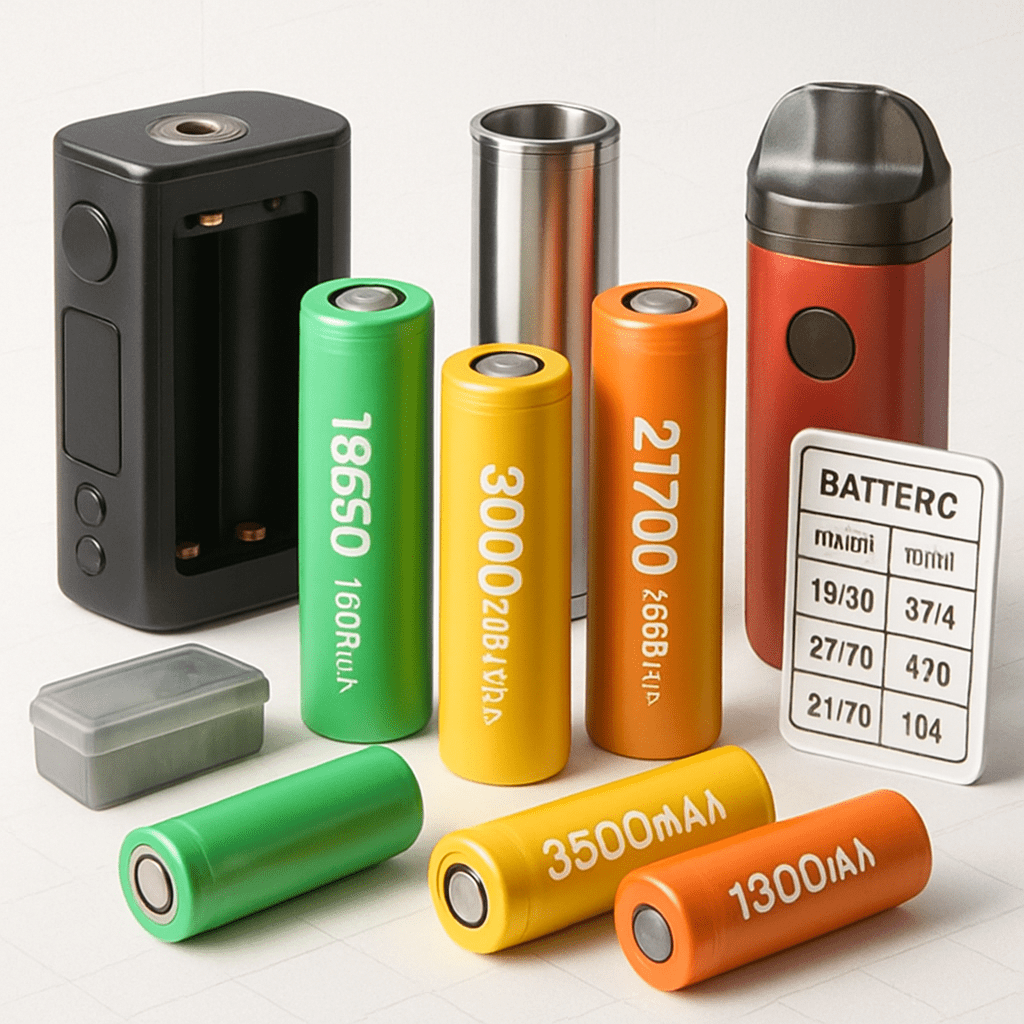
Those numbers (18650, 21700, 20700, 26650) aren’t random product codes. They’re standardised dimensional codes that tell you the physical dimensions. The first two digits indicate diameter in millimetres. An 18650 battery is 18mm in diameter. The next two digits indicate approximate length in millimetres. The “65” in 18650 means approximately 65mm long, though actual length differs slightly between flat-tops and button-tops. The final “0” indicates the battery is cylindrical.
When you see “18650,” you’re looking at the most common size in vaping devices. When you see “21700,” that’s a larger-diameter battery with about 35% more volume, offering higher capacity (typically 4000- 5000mAh compared to 2500-3000mAh for 18650s).
In Canada, you’ll find 18650s remain the standard at most vape shops because they fit the widest range of devices.
Capacity and Power Ratings That Matter
mAh (milliamp hours) tells you how much total energy the battery stores. A 3000mAh battery holds more energy than a 2500mAh battery, meaning longer runtime between charges.
But there’s a fundamental trade-off in battery design: batteries with higher capacity generally have lower CDR. A 3000mAh battery might have a 15A CDR (sufficient for most regulated mods), while a 2500mAh battery might offer higher CDR ratings (necessary for high-drain mechanical builds).
Matching Specifications to Your Vaping Needs
For most vapers using regulated mods at moderate power levels, high-capacity batteries with adequate CDR work perfectly fine. If maximizing runtime between charges is your priority, explore our guide on selecting batteries optimized for extended daily use based on your vaping frequency. Running higher wattages consistently or using sub-ohm setups on mechanical mods means prioritising CDR over capacity.
When looking at batteries at reputable Canadian retailers, you’ll see these specifications clearly labelled on quality products. Quality battery brands like Samsung (25R, 30Q, and 20S models), Sony (VTC5A and VTC6), LG (HG2 and HE4), and Molicel (P26A and P28A) provide detailed specification sheets.
Troubleshooting Common Battery Compatibility Issues
Even with the right knowledge, you might encounter compatibility problems. Most issues have straightforward solutions once you identify the root cause.
Resolving Battery Fit Problems
If button-top batteries are too long for your device and the battery door won’t close properly, or the batteries are compressed too tightly, flat-tops are your solution. This isn’t a situation where you can force it to work. You need the correct terminal type. Don’t risk damaging the spring mechanisms or creating dangerous battery compression. Exchange them for flat-tops or save them for a device that accepts them. Most reputable Canadian vape shops will exchange unused batteries if you explain the compatibility issue.
If flat-tops in a device expecting button-tops leave a gap that prevents connection entirely, the proper fix is getting button-tops. In a pinch, there’s a temporary workaround: a small neodymium magnet or battery spacer can add the missing millimetre. This isn’t an ideal long-term solution and requires careful placement to avoid short circuit risks. Consider it an emergency measure until you can get proper batteries.
Delivery options and timeframes vary by retailer, location, and service level. Contact retailers directly for current delivery information.
Fixing Poor Connection Problems
If your batteries fit physically but you’re getting inconsistent firing or error messages, the issue might be dirty contacts. For battery terminals, use a clean, lightly dampened cloth with isopropyl alcohol. Wipe the terminals gently to remove any residue. Let the batteries dry completely before reinstalling them. For device contacts, power off your device and remove batteries first, then use a cotton swab dipped in isopropyl alcohol to clean the contact points. When cleaning doesn’t solve the problem, the issue might be battery age or internal damage.
Finding Quality Batteries in Canada
Buying authentic, quality batteries protects both your safety and your investment. Knowing where to buy and how to identify genuine products makes all the difference.
Recognising Authentic Batteries and Avoiding Counterfeits
Authentic batteries from major manufacturers like Samsung, Sony, LG, and Molicel include specific verification features that counterfeits often lack. Quality wraps with clear, professional printing are the first indicator. Authentic batteries feature sharp text, proper logo reproduction, and consistent wrap colour. Blurry text, misspellings, or wrap colours that seem off suggest counterfeit products. Many battery brands now include scratch-off verification codes or QR codes that you can check on the manufacturer’s website.
Retailer policies, pricing, and services vary. Verify current information directly with retailers before making purchase decisions.
Where Canadian Vapers Should Buy Batteries
Local vape shops like Majestic Vapes offer advantages beyond just product authenticity. Established retailers in the GTA have been in business since 2018, have built relationships with trusted distributors, and only stock batteries from legitimate sources. When buying batteries at a physical location, you can inspect the batteries before purchase, ask questions, and get immediate guidance on compatibility. Staff familiar with major brands like SMOK, Vaporesso, Voopoo, UWELL, and E-Leaf can quickly identify which batteries work best with your mod. You can compare button-tops and flat-tops side by side, measure them against your device, and verify the terminal type visually before buying.
Online Purchasing Considerations
Online purchasing from Canadian vape retailers works well when you know exactly what you need. Just make sure you’re ordering from established retailers with verified reputations, not random marketplace sellers. Avoid general online marketplaces like Amazon or eBay for vape batteries. While some legitimate sellers use these platforms, they’re also flooded with counterfeit batteries. The lower prices might be tempting, but counterfeit batteries pose genuine safety risks and rarely meet their claimed specifications.
Bulk purchasing can save money if you’re rotating multiple batteries. Many retailers offer discounts when buying multiple batteries.
Battery prices in Canada commonly range from $12 to $ 25 CAD per cell, depending on brand, specifications, and retailer. Verify current pricing as costs vary by location and change over time. Individual results vary significantly.
Making Your Battery Decision
The button-top versus flat-top question isn’t complicated once you understand your device’s requirements. Check your mod’s specifications, look at your battery compartment design, and match the terminal type to what your device needs. In most cases, modern regulated mods work with flat-tops. Mechanical mods almost universally require flat-tops for safety reasons.
But terminal type is just one factor in battery selection. Safety considerations matter more: battery wrap condition (inspect every time you handle batteries, replace damaged wraps immediately), CDR ratings appropriate for your usage, and buying authentic products from reputable sources. A genuine battery of the correct type beats a counterfeit battery by a massive margin regardless of terminal design.
Just starting and figuring out battery compatibility? Visit a knowledgeable vape shop where staff can assess your device and recommend specific batteries. Bring your mod with you. In-person guidance prevents weeks of frustration with the wrong batteries.
Experienced but dealing with compatibility issues? Systematic troubleshooting reveals whether you need different terminal types or if connection problems stem from other causes. Don’t assume battery terminal type is the issue until you’ve checked battery condition, cleaned contacts, and verified your device’s specifications.
When you’re ready to buy, prioritise authenticity and safety over price. Always. A few dollars saved on questionable batteries isn’t worth the performance problems, reduced lifespan, or safety risks that come with counterfeits.
The investment in quality batteries from trusted sources pays off through longer lifespan (commonly several hundred charge cycles over many months of daily use), better performance (consistent power delivery, minimal voltage drop, efficient energy transfer), and peace of mind regarding safety.
Whether you’re in the GTA or elsewhere in Canada, working with specialised vape retailers like Majestic Vapes ensures you’re getting genuine products, expert guidance, and support if you run into issues. Their experience in matching batteries to devices, combined with stocking only authentic products from trusted brands, means you’re not just buying batteries. You’re investing in safe, reliable vaping performance.
This analysis is for informational purposes only and should not be considered professional electrical or safety advice. Battery specifications, device requirements, and safety standards change frequently. Always consult current official sources and device manufacturers for up-to-date information. When in doubt, consult with experienced vape retail specialists who can provide personalised guidance based on your specific device and usage patterns. Prices, availability, delivery options, and retailer policies vary significantly by location and change over time. Verify all current information directly with retailers and manufacturers before making purchase decisions.