What Is Vape Juice Made Of? Ingredients Explained
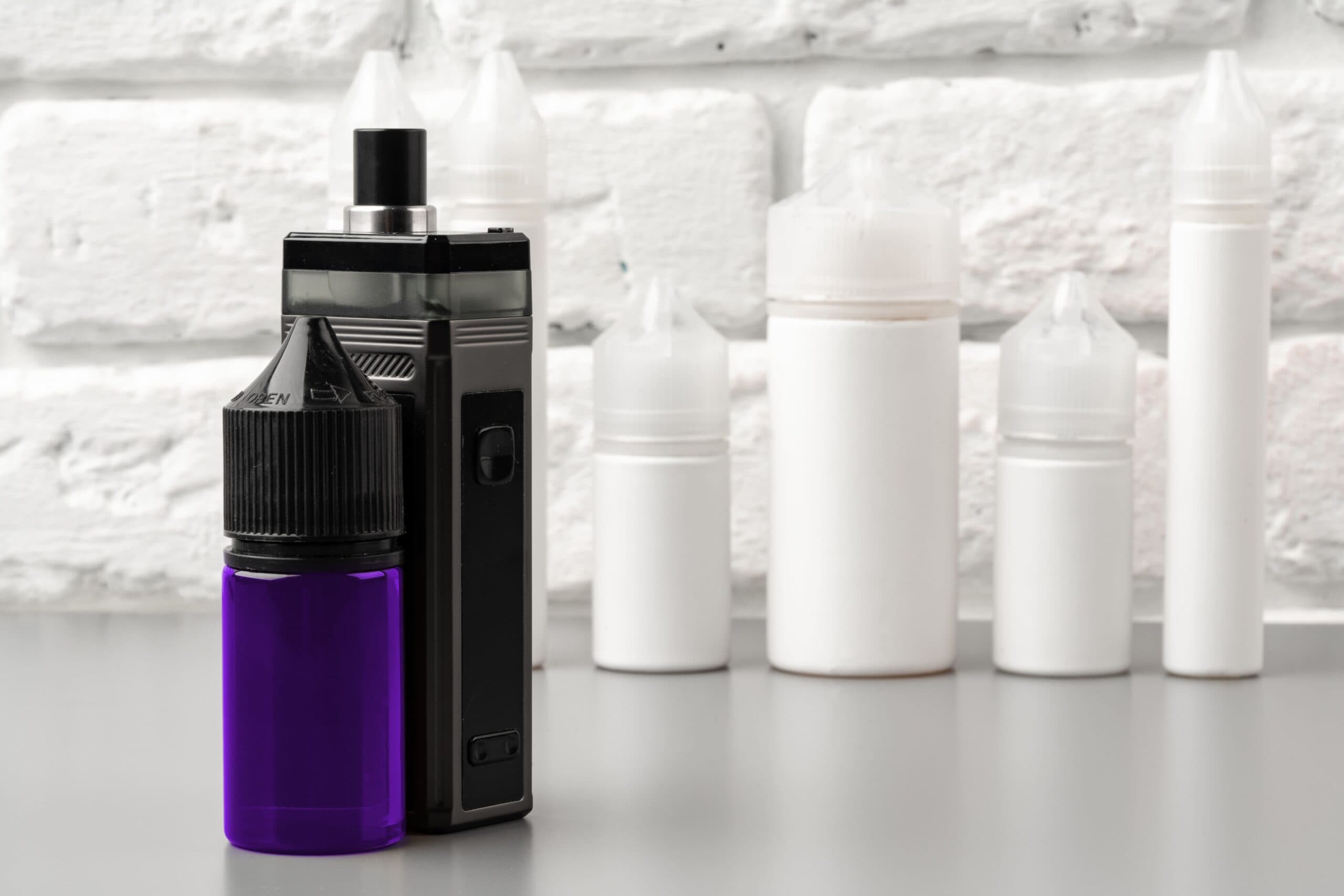
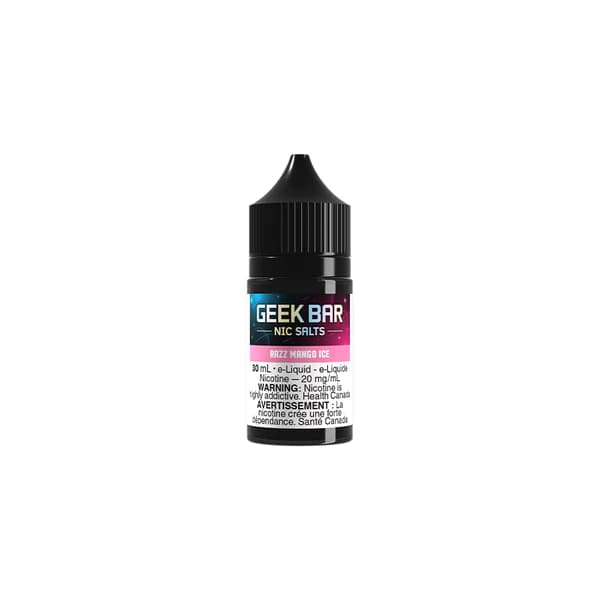
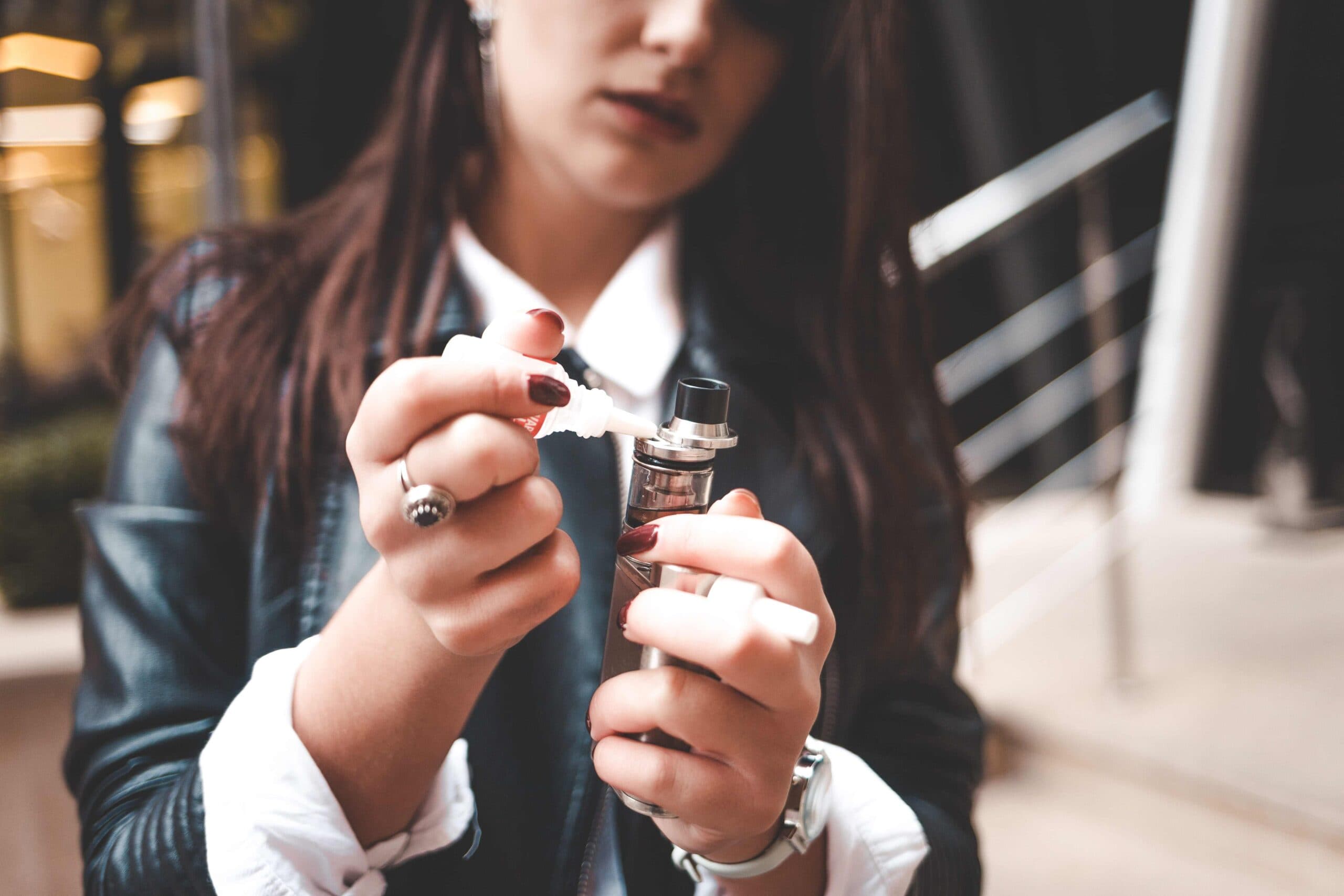
Curious about what goes into the making of your favourite vape juice? You’re not alone. Vape juice, also known as e-liquid or e-juice, is the fuel for vaping devices, and its composition is fascinating.
At its core, vape juice consists of four main ingredients: propylene glycol (PG), vegetable glycerin (VG), flavourings, and often nicotine. The PG/VG ratio can significantly affect your vaping experience, from the intensity of the throat hit to the size of the vapour clouds. Flavourings add that personal touch, allowing for a range of tastes from classic tobacco to exotic fruits.
Whether you’re a seasoned vaper or new to the scene, understanding what’s in your vape juice can enhance your experience and help you make informed choices.
Shop now in the #1 Online Vape Shop in Canada
We Ship Anywhere in Canada Including Quebec
The Four Main Ingredients in Vape Juice
PG and VG in your vape juice are Generally Recognised As Safe (GRAS) by the FDA and approved for use in food. But this doesn’t extend to inhalation. The safety of inhaling flavouring chemicals long-term remains under study. Let’s break down each ingredient, what it does, and how it affects your vaping experience.
Propylene Glycol (PG)
Propylene Glycol (PG) is a cornerstone ingredient in vape juice, notable for its proficiency in flavour delivery. This colourless, odourless liquid offers a more pronounced throat hit and is less viscous than VG, making it a favourite for those seeking the traditional smoking sensation.
What is PG?
Propylene Glycol comes from petroleum and is colourless and odourless with a mildly sweet taste. It has a syrupy texture but is runnier than VG (vegetable glycerin). There is a huge misconception about PG. People often confuse it with ethylene glycol, which is a harsh chemical requiring extra handling. PG is completely different and FDA-approved for human ingestion.
Where PG is Used
Various food products contain PG, including:
- Salad dressing
- Ice cream
- Soft drinks
- Prepackaged frosting
- Box mix cake
- Food colouring
PG’s Role in Vaping
The Flavour Director: PG is like the maestro of an orchestra, proficiently leading the ensemble of flavours in your e-liquid. It’s thinner than VG, absorbing into your vape’s wick faster and delivering flavour with precision. PG excels at carrying and enhancing flavours, making e-liquids taste more vibrant and distinct.
Throat Hit: There is a direct correlation between PG levels and throat hits similar to those experienced when inhaling cigarette smoke. Higher PG = stronger throat hit.
Vegetable Glycerin (VG)
Vegetable Glycerin (VG) stands as the other primary base component in e-liquid formulations. Its thick, naturally sweet nature results in denser vapour clouds, appealing to the cloud-chasing segment of vapers and those with PG sensitivities.
What is VG?
Vegetable glycerin is a thick liquid extracted from palm trees and soybeans. Sometimes VG is extracted from animal fat, but this is not very common. People often mistake this substance for vegetable oil because of its texture, but VG is soluble in water, whereas vegetable oil is not.
VG’s Uses
The main usage of VG is in the food industry, where it serves as a sweetener because it leaves a slightly sweet aftertaste.
VG’s Role in Vaping
The Cloud Creator: VG is the heavyweight champion in vape clouds. Thick and sweet, VG is responsible for those surging clouds that vapers love. It’s like the special effects team in a blockbuster movie. The more VG you have, the more spectacular the cloud production.
Smoother Inhale: VG not only contributes to substantial vapour production but also ensures a smoother inhale, reducing throat irritation.
Flavourings
Flavourings infuse vape juice with its vast array of taste profiles, from the richness of tobacco to the sweetness of fruits and desserts. These flavours are pivotal in making vaping a personalised and enjoyable alternative to smoking.
Types of Flavourings
Artificial Flavourings: Synthesised to mimic various flavours, these are created in laboratories to replicate specific taste profiles.
Natural Flavourings: Extracted from actual source materials, offering authenticity in flavour. The choice between them is influenced by the flavour goal and manufacturing preferences.
Flavouring Safety
All vape juice flavourings contain artificial flavourings also used in beverages and other foods. They are safe for human ingestion. Concentrated flavourings can be found in baked goods, sodas, candy, and any food that contains artificial flavouring. The amount of flavouring concentrate in e-juice typically ranges from 10% to 20%, depending on the specific flavour.
The Role of Flavourings
The flavourings in e-liquid are like the spices in your spice rack. A few drops transform the PG and VG from bland to extraordinary. From classic tobacco and menthol to exotic fruit combinations, these flavourings make vaping a never-ending tasting menu.
Nicotine
Nicotine in vape juice is optional but crucial for users looking to replicate the nicotine intake from smoking. Available in various concentrations, it allows for a customisable approach to nicotine dependency and cessation efforts.
The only chemical known as an addictive vape juice ingredient is nicotine. Because of its highly addictive nature, some users think nicotine is toxic. This is a misconception. There is also a major misconception that nicotine causes cancer; this is baseless and untrue. The actual chemicals that cause cancer are found in cigarettes, not in nicotine itself.
Nicotine Strengths
Nicotine strengths in vape juice are designed to cater to a broad spectrum of preferences:
- 0mg (nicotine-free): For those who enjoy vaping without nicotine dependency
- Low strength (3-6mg): Light satisfaction
- Medium strength (12mg): Moderate nicotine hit
- High strength (18-50mg): For heavy smokers transitioning or those seeking a potent hit
This range enables users to precisely control their nicotine consumption, whether the goal is to taper off gradually or find a consistent, satisfying level.
Freebase Nicotine vs. Salt Nicotine
Freebase Nicotine:
- Traditional form of nicotine in vaping liquids
- Characterised by high purity and intensity
- Suited for lower-nicotine, high-power setups
- Delivers a potent throat hit
- Favoured by experienced vapers
Salt Nicotine:
- Offers a milder throat hit at higher nicotine strengths
- Excellent choice for a smoother experience
- Works well with low-power devices
- Rapid absorption rate emulates cigarette nicotine delivery
- Appeals to those transitioning from smoking
The PG/VG Ratio – Finding the Balance
The balance between PG and VG ratios is key to tailoring the vaping experience. The PG/VG ratio significantly influences everything from throat hit intensity to cloud production.
High PG Formulations
- Pronounced throat hit
- Enhanced flavour delivery
- Less vapour production
- Thinner consistency
- Better for MTL (mouth-to-lung) vaping
High VG Formulations
- Thick, luxurious vapour clouds
- Smoother, less intense throat hit
- Slightly sweet taste
- Thicker consistency
- Ideal for cloud-chasing and DTL (direct-to-lung) vaping
How These Ingredients Affect Your Vaping Experience
Each ingredient in vape juice plays a specific role in shaping what you feel and taste. Here’s how these components work together to create your overall vaping experience.
Throat Hit
The throat hit sensation is primarily influenced by:
- PG content: Higher PG = stronger throat hit
- Nicotine level: Higher nicotine = more pronounced sensation
- Nicotine type: Freebase provides a sharper hit than salt nicotine
Vapour Production
Cloud production depends on:
- VG content: Higher VG = denser, larger clouds
- Device power: Higher wattage devices produce more vapour
- Coil type: Sub-ohm coils enhance cloud production
Flavour Intensity
Flavour delivery is affected by:
- PG content: Higher PG carries flavour more effectively
- Flavouring concentration: Quality and quantity matter
- Steeping: Aged e-liquid often has more developed flavours
Smoothness
A smoother vaping experience comes from:
- Higher VG ratios: Reduce throat irritation
- Salt nicotine: Smoother at high nicotine levels
- Lower nicotine concentrations: Less throat impact
The Process of Making E-Liquid
Understanding how e-liquid is made helps you appreciate what goes into your vape juice.
Step 1 – Gathering Ingredients
The manufacturing process begins with assembling:
- Propylene Glycol (PG)
- Vegetable Glycerin (VG)
- Flavour concentrates
- Nicotine (optional)
Step 2 – The Mixing
This is where PG and VG are combined in precise ratios. The PG/VG ratio is key. Too much PG creates a harsh experience, too much VG dilutes flavour. Balance is essential.
Step 3 – Flavour Infusion
Flavourings are carefully added to create the desired taste profile. The possibilities are endless, from classic tobacco to creative combinations like strawberry cheesecake or coffee caramel.
Step 4 – Nicotine Addition (Optional)
For nicotine-containing e-liquids, this is where precise nicotine measurements are added based on the target strength.
Step 5 – Stirring and Steeping
The mixture is stirred thoroughly, then often left to steep. Steeping is like letting fine wine age. It allows flavours to meld and mature, creating a more refined final product.
Step 6 – Quality Control
Before distribution, e-liquids undergo quality control testing to ensure:
- Correct nicotine levels
- Proper flavour profile
- Consistency
- Safety standards
What Should Consumers Consider When Choosing Vape Juice?
Your preference significantly dictates the choice between a strong throat hit and substantial vapour production. This influences the PG/VG ratio you should select.
Desired Nicotine Strength
Select the nicotine strength based on your goals: reducing intake, satisfying cravings, or enjoying nicotine-free vaping. Matching the nicotine level to personal usage habits ensures a fulfilling experience.
Flavour Preferences
The market offers a vast spectrum from classic tobacco to sweet and fruity flavours. Experimenting with different flavours can significantly enhance your enjoyment of vaping.
Potential Allergies or Sensitivities
Being aware of potential allergies or sensitivities, especially to PG or VG, is important for a comfortable vaping experience. Some individuals may experience reactions to higher PG concentrations.
Variations in Vape Juice Compositions
Vape juice comes in countless combinations to suit different preferences and vaping styles. Understanding these variations helps you find formulations that match your needs.
By Nicotine Type
- Freebase: Traditional, stronger throat hit
- Salt nicotine: Smoother, faster absorption
By PG/VG Ratio
- 50/50: Balanced throat hit and vapour
- 70VG/30PG: Cloud-focused with smoother hit
- Max VG: Maximum cloud production
By Flavour Category
- Tobacco: Classic cigarette-like taste
- Menthol/Mint: Cool, refreshing sensation
- Fruit: Sweet and tangy options
- Dessert: Rich, indulgent flavours
- Beverage: Coffee, cocktail, and drink-inspired
Shop now in the #1 Online Vape Shop in Canada
We Ship Anywhere in Canada Including Quebec
Understanding What’s in Your Vape Juice
Unlocking the ingredients behind vape juice reveals how each component shapes your vaping experience, from the smooth clouds of vegetable glycerin to the sharp throat hit of propylene glycol and the customizable nicotine levels that cater to every preference. Understanding these elements helps you make smarter choices tailored to your needs and tastes, enhancing both satisfaction and safety.
Shop Online:
Ready to elevate your vaping journey? Contact us to discover flavours and formulations designed just for you!